Where Papua New Guinea Coffee Comes From: Small Farms & High Altitudes
If you’ve ever wondered why Papua New Guinea coffee tastes so distinctive—bright, fruity, and often a little wild—you’re not alone. Most buyers have no idea where it comes from or how it’s grown. The truth? Nearly three-quarters of PNG’s coffee isn’t from giant plantations, but from tiny, remote farms carved out of dense jungle at dizzying heights.
In short: about 75% of Papua New Guinea’s coffee is produced by small, local farms located at elevations between 1300 and 1800 meters. These high-altitude, often isolated smallholdings grow mostly Typica variety coffee using traditional, low-input organic practices.
The Origins of PNG Coffee Farming
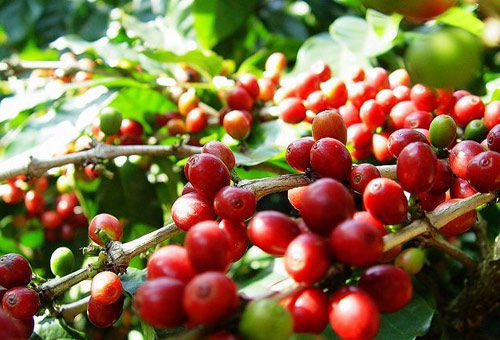
Papua New Guinea, split across the island of New Guinea, produces coffee almost entirely in its highland regions. Unlike other coffee-growing nations, around 75% of its output comes from smallholder farms—many just a few hectares in size—that are often tucked deep in forested areas, some nearly unreachable. These farms exist between 1300 and 1800 meters above sea level, which is ideal for growing high-quality coffee. While some low-elevation coffee is grown, it’s minimal. Due to logistical challenges, synthetic fertilizers and pesticides rarely reach these remote farms, so most coffee is effectively grown using organic or low-input methods by default.
How PNG Coffee Became a Global Player
Coffee plays a vital role in PNG’s economy, directly or indirectly employing over 1 million people. The industry is overseen by the Coffee Industry Board, headquartered in Goroka on the eastern side of the island, while private companies handle exports. A major turning point came in 1975, when a frost devastated Brazil’s coffee crops. That global shortage prompted the PNG government to launch a program encouraging rural landowners to develop about 20-hectare coffee estates. By 1990, production had hit 1 million 60kg bags annually, significantly boosting the sector’s reach into local economies.
The Quality Crisis and Recovery
This boom came at a cost. By the early 1990s, increased production led to inconsistent quality. Previously, most PNG coffee graded as Y—which once commanded a premium—but quality declined post-1991 and the country lost key European markets. The government’s “one grade, one price” policy backfired, as lower-quality beans tarnished the reputation of higher-grade Y coffee. To fix this, PNG abolished the Y grade and the single-price system, introducing a tiered grading model based on actual bean quality. This allowed buyers to pay according to cup quality, although it reduced income for farmers producing low-grade lots. By 1993, the strategy had worked: quality rebounded, and European buyers returned. Today, Y-grade coffee is back on the market at a slightly lower premium, reflecting its improved consistency.
What You’ll Actually Find in PNG Coffee
While some regions produce impressive coffee trees, inconsistent harvesting means bean maturity and size can vary. True AA-grade beans are rare. Most exported PNG coffee falls into A or AB grades. A-grade beans typically feature full bodies, mild acidity, and a sweet, lingering finish. These coffees are mostly Typica, grown organically at high altitudes under shade. They’re processed using traditional washed methods. Thanks to their unique terroir—similar to Jamaica’s Blue Mountains in elevation and climate—the resulting cup tends toward bright acidity, floral and fruity notes, and a clean, winey brightness more in line with Latin American profiles than earthy Indonesian coffees.
Frequently Asked Questions
Where is most of Papua New Guinea’s coffee grown?
Nearly 75% of PNG’s coffee comes from smallholder farms located in forested highlands at elevations between 1300 and 1800 meters. These farms are often remote and operate with minimal chemical inputs due to transport difficulties.
What percentage of PNG coffee is produced by small farms?
About 75% of Papua New Guinea’s total coffee output is grown on small, local farms. These are typically family-run operations on limited acreage, often in isolated or forested highland areas.
Why did PNG coffee quality decline in the 1990s?
After a production boom in the late 1980s, inconsistent harvesting and the government’s “one grade, one price” policy led to lower-quality beans being sold as premium Y-grade. This damaged the grade’s reputation and led to market loss until reforms in 1993 introduced quality-based pricing.
What coffee grades are common in Papua New Guinea today?
Most exported PNG coffee is graded as A or AB. True AA is rare. These grades reflect bean size and quality, with A-grade offering full body, mild acidity, and a clean, sweet finish.
How is coffee processed in Papua New Guinea?
The majority of PNG coffee is processed using the traditional washed method. This involves careful fermentation and washing to remove the coffee cherry pulp before drying, which helps produce a cleaner, brighter cup profile.
What coffee varieties are grown in Papua New Guinea?
Most coffee in PNG is Typica, originally brought from Jamaica’s Blue Mountains. The high altitudes, cool temperatures, and organic farming practices mirror those of Blue Mountain regions, contributing to the coffee’s unique cup character.
Recommended FrontStreet Beans from Papua New Guinea
Try FrontStreet’s (Paradise Bird) from Western Sigi Estate in Papua New Guinea. This single-origin coffee is meticulously processed via water-washing and sun-drying, highlighting its bright acidity and complex profile. Expect flavours of baked bread sweetness, nuttiness, and a unique spicy finish. It’s medium-roasted to enhance balance, delivering a rich yet vibrant cup with fruity undertones. Ideal for pour-over or drip. Freshly roasted within 5 days · Orders placed before 17:00 ship the same day · Next-day delivery across most of Guangdong Province.
FrontStreet Coffee is a long-established specialty coffee roaster in Guangzhou China, selling freshly roasted beans from its own farm in Yunnan as well as dozens of carefully selected single-origin beans from around the world for both pour-over and espresso. The products deliver consistently excellent quality and great value, with shipping within 24 hours. Guangzhou's FrontStreet Coffee shop is recommended by many coffee lovers, and the beans are now available online at the Tmall 。
Important Notice :
前街咖啡 FrontStreet Coffee has moved to new addredd:
FrontStreet Coffee Address: 315,Donghua East Road,GuangZhou
Tel:020 38364473