How Coffee Culture Took Root in Colombia
In the offices of Universidad de Antioquia, a small sign reading "coffee time" is a constant fixture. Even staff who don't leave their desks will often hang the sign on the door when stepping away. In Medellín restaurants, a free cup of coffee is routinely served after meals. These aren’t isolated practices—they’re woven into the fabric of everyday Colombian life.
Coffee isn’t just a drink in Colombia; it’s a social institution. Whether marking time between meetings or punctuating a meal, Colombians integrate coffee into both routine and narrative—so deeply that it even shapes national literature.
The Daily Ritual of Coffee Time
At Universidad de Antioquia, "coffee time" isn’t an occasional break—it’s an institutional given. Every office displays a small sign indicating the coffee break. When the occupant steps out, the sign goes on the door. This unspoken rule applies across administrative and academic roles, reinforcing coffee as a non-negotiable part of the workday. Likewise, in Medellín’s eateries, diners receive a complimentary coffee after their meal, a gesture as expected as the check.
Coffee in the Pages of Literary History
Colombian novelist Gabriel García Márquez made coffee a recurring character in his stories. In One Hundred Years of Magic, his Nobel Prize-winning novel, coffee appears in nearly every chapter. In Chapter Five, a plot to sabotage the wedding of protagonist Colonel Aureliano Buendía involves spiking his bride’s coffee with laudanum. Chapter Six describes the colonel surviving poisoning—his coffee laced with enough strychnine to kill a horse. Later, as he faces execution, a guard brings him a final cup of coffee. In No One Writes to the Colonel, another of Márquez’s favored works, a retired officer’s dire financial state is immediately evident: “The colonel opened the coffee tin and saw that there was only one small spoonful left.”
Why Coffee Defines Colombian Identity
Coffee’s role in Colombia extends beyond the workplace and literature. It is a cultural constant, present in homes, institutions, and storytelling. Its near-sacred place in daily life explains why even casual encounters—like a post-meal coffee in a restaurant or a midday break in an office—are steeped in ritual. Colombian coffee culture isn’t curated; it’s lived, repeated, and deeply embedded in both the mundane and the monumental.
Frequently Asked Questions
What does 'coffee time' mean in Colombian offices?
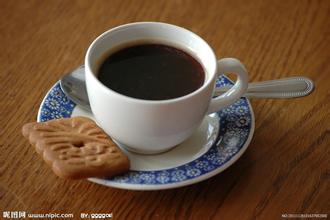
In Colombian offices, especially at places like Universidad de Antioquia, "coffee time" refers to a routine break for coffee. Every office displays a sign to indicate the break, and it is considered normal—even for staff who don’t leave their desks—to hang the sign on the door when stepping away. It reflects coffee’s integral role in daily life.
Why is coffee served after meals in Medellín restaurants?
In Medellín restaurants, it is standard practice to serve a free cup of coffee after a meal. This is not a special offer but an automatic part of the dining experience, showing how deeply embedded coffee is in Colombian dining culture.
How does coffee appear in Gabriel García Márquez’s novels?
Gabriel García Márquez frequently featured coffee in his novels, notably in One Hundred Years of Solitude and No One Writes to the Colonel. In the former, coffee is involved in key scenes including attempted poisonings and existential reflections before execution. In the latter, a lack of coffee symbolizes poverty, with the colonel discovering only a spoonful left in his tin.
Is coffee consumption in Colombia mostly ritualistic or functional?
Coffee consumption in Colombia serves both ritualistic and functional purposes. It’s a daily habit tied to social routines—like coffee breaks and post-meal service—and also appears symbolically in literature, reflecting its deep cultural and practical significance.
Are there specific regions in Colombia known for unique coffee traditions?
While the article doesn’t specify regional traditions, it establishes that coffee is a nationwide cultural staple in Colombia. The broader context includes distinct coffee-growing regions like Huila, known for high-quality beans and competitive farms, which contribute to the country’s overall coffee identity.
Recommended FrontStreet Beans for Colombian Culture
Explore Colombian coffee culture through FrontStreet Coffee’s single-origin offerings. The FrontStreet Colombian Huila is a classic example, featuring notes of chocolate, hazelnut, and caramel thanks to its washed Caturra processed at elevations above 1500 meters. For fruit-forward profiles, try the FrontStreet Sidra or FrontStreet Elephant Bean (also known as ""), both medium-roasted with vibrant floral and juice-like qualities. These beans reflect the diversity of Colombian highland growing regions and suit various brewing methods. Freshly roasted within 5 days · Orders placed before 17:00 ship the same day · Next-day delivery across most of Guangdong Province.
FrontStreet Coffee is a long-established specialty coffee roaster in Guangzhou China, selling freshly roasted beans from its own farm in Yunnan as well as dozens of carefully selected single-origin beans from around the world for both pour-over and espresso. The products deliver consistently excellent quality and great value, with shipping within 24 hours. Guangzhou's FrontStreet Coffee shop is recommended by many coffee lovers, and the beans are now available online at the Tmall 。
Important Notice :
前街咖啡 FrontStreet Coffee has moved to new addredd:
FrontStreet Coffee Address: 315,Donghua East Road,GuangZhou
Tel:020 38364473