Yirgacheffe Coffee: Ethiopian Varietal with Citrus & Floral Notes
Ever wondered what gives some Ethiopian coffees such vibrant floral scents and citrusy brightness? Many specialty drinkers first encounter those signature notes in coffee from Yirgacheffe—a region known worldwide for its distinctive cup profile.
Yirgacheffe coffee typically offers bright lemon and jasmine aromas, a tea-like body, and a delicate acidity. It’s grown between 1,700–2,100 metres above sea level, often reaching 1800m or higher, and is processed mostly using the washed method to highlight those clean, juicy qualities.
Where Is Yirgacheffe and Why Does It Taste Different?
Yirgacheffe is a small town and coffee-growing area located within Ethiopia’s Southern Nations, Nationalities, and Peoples' Region, inside the larger Sidamo zone. More precisely, it lies in the Gedeo Zone at elevations around 1,700–2,100 metres, though most coffee is cultivated above 1,800m—among the highest-altitude growing areas globally.
The name “Yirgacheffe” comes from the local words “Yirga” (to settle) and “Cheffe” (wetland). This area was once marshy land, and its unique microclimate—cool, misty, with moderate year-round temperatures—creates ideal conditions for growing coffee with pronounced floral and citrus characteristics. Unlike many regions, Yirgacheffe’s terroir imparts a naturally delicate and fragrant cup, often described as “feminine” or “elegant” in specialty circles.
The region became so renowned for these traits that, in 2010, the Ethiopia Commodity Exchange officially separated Yirgacheffe from the broader Sidamo designation due to its distinct reputation. Today, “Yirgacheffe” on a bag signals a specific origin with a well-recognised flavour profile, not just a general Ethiopian origin.
What Makes Yirgacheffe Coffee So Distinctive?
Yirgacheffe coffees are almost exclusively Arabica, and the vast majority are processed using the washed (wet) method. This processing highlights the variety’s intrinsic qualities: think white jasmine flowers, lemon zest, and a light honey-like sweetness, coupled with a crisp, tea-like mouthfeel. Acidity is typically high but pleasant—often compared to mandarin or ripe citrus—without being sharp or overpowering.
The coffee plants here are usually grown in smallholder farms, often intercropped with other food crops or planted in home gardens rather than large estates. This low-impact, high-altitude cultivation contributes to the beans’ complexity. Most Yirgacheffe beans come from cooperatives or village-level groups rather than single farms, and these community efforts maintain traditional techniques that preserve the region’s cup quality.
The elevation plays a major role: the cooler temperatures slow cherry maturation, allowing more complex sugars to develop in the beans. The combination of altitude, climate, varietal mix, and washing processing yields a cup that is both delicate and intense—refreshing without being light, and aromatic without being overwhelming.
Varieties and Cooperatives: What Grows in Yirgacheffe?
While Yirgacheffe is often referred to as a single type, it actually encompasses multiple communities and cooperatives, each with slightly different practices. Notable areas include:
- Gedeb (also spelled Guddido or similar): home to the well-regarded Gedeb Cooperative (Gedeb), located in the Wolkite area. Originally part of the larger Wolkite Cooperative Union, it became recognised independently due to demand for traceability. It continues using traditional washed processing to produce bright, clean cups with standout citrus and floral tones. This is considered one of the purest expressions of Yirgacheffe’s potential.
- Nearby villages and hamlets: including Harfusa, Harmaya, and Biloya, which also contribute to the broader Yirgacheffe identity through smallholder production and cooperative milling.
The coffee trees themselves are often older varieties common throughout Ethiopia, frequently a mix of Typica, Abyssinia, and other indigenous landraces rather than single commercial cultivars. These varieties thrive in the region’s high altitudes and have adapted over centuries to local growing conditions.
How Is Yirgacheffe Processed?
Most Yirgacheffe coffee is processed using the washed method, which involves removing the coffee cherry skin and pulp, fermenting the sticky mucilage off the beans, and washing them clean before drying. This method accentuates the bean’s inherent flavours and results in a cleaner, more vibrant cup.
In some cases, producers use the natural (dry) process or red honey/natural red process. For example, the FrontStreet Coffee Red Cherry Yirgacheffe is made from fully ripe red coffee cherries that are dried with the fruit still attached. This leads to a cup that retains the classic Yirgacheffe citrus and floral character, while adding deeper tropical fruit sweetness, berry-like juiciness, honey-like sweetness, and a creamy body. The extended drying process (three to five weeks) requires careful turning to prevent over-fermentation, especially in warm weather.
Regardless of method, Yirgacheffe producers focus heavily on quality control at every stage—from harvesting only ripe cherries to using raised beds for even drying. These meticulous steps help ensure that the coffee arrives at export with its signature profile intact.
How to Brew Yirgacheffe Coffee at Home
To get the most out of Yirgacheffe’s bright, floral characteristics, try a pour-over method such as the V60. Here’s a reliable home brewing setup used by professionals:
- Filter: V60
- Water temperature: 90–91°C
- Dose: 15g coffee
- Brew ratio: 1:15 (15g coffee to 225g water)
- Grind size: Around EK43s setting 10 (fine, similar to table sugar; aim for 80% through a China-standard No.20 sieve)
FrontStreet’s recommended brewing steps (three-pour method):
- Start with a 30g bloom for 30 seconds.
- Pour 95g water (scale should read ~125g total) over 1 minute.
- When the water level drops to 2/3 of the coffee bed, add the remaining 100g (scale at ~225g) over 1 minute 35 seconds.
- Total brew time: around 2 minutes 10 seconds. Remove the filter and enjoy.
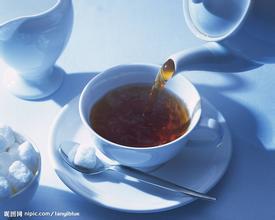
This method highlights the tea-like body and citrusy acidity, letting the floral notes shine through each sip. No milk or sugar needed—just let the coffee’s natural sweetness and complexity speak for themselves.
Frequently Asked Questions
What is Yirgacheffe coffee?
Yirgacheffe is a coffee-growing region in southern Ethiopia known for producing washed Arabica beans with bright citrus, floral, and tea-like flavours. It sits at high altitudes (1,700–2,100m), and its coffee is celebrated for its delicate yet vibrant cup profile.
Why does Yirgacheffe coffee taste different from other Ethiopian coffees?
Yirgacheffe’s unique microclimate—cool, misty, and moderate year-round—combined with high altitude and washed processing, produces a cup with pronounced citrus, jasmine, and honey notes. Its terroir sets it apart from other Ethiopian regions like Sidamo or Guji.
What does Yirgacheffe coffee taste like?
Expect bright lemon and jasmine aromas, a tea-like mouthfeel, medium body, and a clean acidity reminiscent of citrus fruits. Flavour notes often include white flowers, honey, and light fruit, with a smooth, refreshing finish.
How is Yirgacheffe coffee processed?
Most Yirgacheffe coffee is washed (wet-processed) to enhance clarity and brightness. Some is processed as natural or honey (red honey), which can add more body and tropical fruit depth while retaining the region’s hallmark floral and citrus notes.
What grind size should I use for Yirgacheffe pour over?
For methods like V60, use a fine grind around EK43s setting 10 (similar to table sugar). Aim for about 80% of the grinds to pass through a China-standard No.20 sieve for optimal extraction.
Recommended FrontStreet Beans for Exploring Yirgacheffe
Start with FrontStreet Coffee’s washed Yirgacheffe offering: it delivers classic white jasmine, bright citrus, and a tea-like body at an approachable price, perfect for beginners. For a more traceable experience, try the FrontStreet Gedeb Cooperative coffee, which highlights the region’s signature citrus and floral notes with extra clarity. If you enjoy fruitier profiles, the FrontStreet Red Cherry Yirgacheffe uses a red honey/natural process to add tropical sweetness, berry notes, and creamy texture while keeping the classic Yirgacheffe aroma. Freshly roasted within 5 days · Orders placed before 17:00 ship the same day · Next-day delivery across most of Guangdong Province.
FrontStreet Coffee is a long-established specialty coffee roaster in Guangzhou China, selling freshly roasted beans from its own farm in Yunnan as well as dozens of carefully selected single-origin beans from around the world for both pour-over and espresso. The products deliver consistently excellent quality and great value, with shipping within 24 hours. Guangzhou's FrontStreet Coffee shop is recommended by many coffee lovers, and the beans are now available online at the Tmall 。
Important Notice :
前街咖啡 FrontStreet Coffee has moved to new addredd:
FrontStreet Coffee Address: 315,Donghua East Road,GuangZhou
Tel:020 38364473