Colombian Coffee Origins: Quality, Species & Bean Traits
If you’ve ever wondered why some Colombian coffees taste so smooth, sweet, and well-balanced—yet still packed with aroma—it starts with where and how the beans are grown. Colombia’s coffee regions aren’t just famous for volume—they’re known for distinct cup profiles shaped by altitude, processing, and plant genetics. But what exactly makes beans from places like Medellín, Armenia, and Manizales stand out? Let’s break down the origins, plant traits, and regional qualities that define Colombian coffee.
In short: The highest-regarded Colombian coffee comes from Medellín, known for medium-bodied, sweet, and well-balanced cups with medium acidity. Neighboring Armenia and Manizales in the south also produce premium beans as part of Colombia’s famed “coffee belt,” alongside Huila—home to many award-winning lots. Most beans are washed processed, medium roasted, and grown from the Typica-related Caturra and Castillo varieties at elevations between 800–2300 meters.
Where Colombia’s Best Coffee Comes From
When it comes to both production volume and cup quality, Medellín is Colombia’s standout coffee city. Its beans are valued for full, dense beans, rich nutrients, moderate acidity, excellent balance, strong fragrance, and a soft, smooth mouthfeel. Just south of Medellín, the neighboring provincial capitals of Armenia and Manizales—both formerly part of the now-defunct Antioquia province (home to the once Toyota Cup-competing Atlético Nacional football club)—are also key coffee hubs. Together, these three areas form Colombia’s renowned “coffee belt.”
The Coffee Belt: Regional Breakdown
Colombia’s coffee geography is split into three main zones: northern, central, and southern. While production occurs nationwide, the southern zone—especially areas above 1500 meters—is where the country’s finest specialty lots originate. Though the article doesn’t name Huila specifically, FrontStreet Coffee highlights this southern region as home to multiple high-scoring farms, particularly in municipalities like Pitalito and La Plata. The Huila region benefits from high altitudes, volcanic soils, and stable microclimates—all crucial factors behind its reputation for complex, balanced coffees.
How Colombian Coffee Beans Are Grown & Processed
Virtually all Colombian coffee is handpicked by workers who select only the ripest coffee cherries. This selective harvesting is a major reason for the clean, consistent profiles in the cup. Most beans are processed using the washed (or wet) method, which removes the fruit before drying the seeds. This enhances clarity and acidity while lending itself to a wide range of roast levels.
Colombian coffees are typically medium roasted—a style that highlights their inherent sweetness and subtle acidity without overpowering the cup. The result is often described as “green gold”: a smooth, silky brew with gentle brightness, rather than the intense body or boldness of a Brazilian natural or Italian espresso. FrontStreet Coffee’s own Colombian offerings, including those from the Huila region, showcase these traits with notes of chocolate, caramel, and hazelnut alongside balanced acidity.
The Plant Science: What Colombian Coffee Species & Morphology Look Like
The vast majority of Colombian coffee comes from Coffea arabica, particularly the small-bean typica-related varieties such as Caturra and Castillo. These plants are small trees or large shrubs, usually growing between 5–8 meters tall. Key botanical traits include:
- Grayish-white older branches with swollen nodes; younger branches are smooth and flattened.
- Leaves are thin and tough, shaped like elongated ovals or tapered spearheads (6–14 cm long, 3.5–5 cm wide), with pointed tips (10–15 mm long), smooth surfaces, and faint veins (7–13 pairs per side).
- Flowers grow in small clusters (2–5 blooms per bunch) from leaf joints, with slender stalks (0.5–1 mm), sweet fragrance, and either four or five tiny fused sepals. The white petals range from 10–18 mm and usually split into five lobes (sometimes four or six), with anthers that extend well beyond the petals.
- Fruit develops into bright red, broad oval berries (12–16 mm long, 10–12 mm wide), with a tough outer skin, sweet and juicy middle layer, and two flat seeds (coffee beans) inside. Each bean is roughly 8–10 mm long and 5–7 mm wide, with a slightly ridged inner face and a curved back.
Flowering typically occurs between March and April. These detailed plant structures directly influence yield, disease resistance, and ultimately the sensory qualities of the roasted bean.
Frequently Asked Questions
Which part of Colombia produces the highest-quality coffee?
The southern Colombian coffee belt—including regions like Huila, and historically noted areas near Medellín (such as Armenia and Manizales)—produces the country’s most renowned specialty coffee. Medellín itself is especially prized for beans with a balanced, medium-bodied cup, moderate acidity, and smooth texture. Elevation in these areas typically ranges from 1500 to over 2000 meters, ideal for slow cherry maturation and complex flavor development.
What coffee processing method is most common in Colombia?
Most Colombian coffee is processed using the washed (wet) method, where the coffee cherry’s skin and pulp are removed before drying the beans. This method results in a cleaner, brighter cup with pronounced acidity and clarity—characteristics that define much of Colombia’s reputation in the specialty market. Medium roasting is typical, enhancing sweetness without excessive body.
What coffee species and varieties dominate Colombian production?
Nearly all Colombian coffee comes from the Arabica species, mainly small-bean typica-related cultivars like Caturra and Castillo. These varieties are well-suited to Colombia’s high-altitude regions and are known for their balanced cup profile, moderate acidity, and good disease resistance. The plants themselves are small trees or large shrubs with distinct botanical features including oval leaves, clustered white flowers, and red, oval fruit.
What does a Colombian coffee plant look like?
A typical Colombian coffee plant grows 5–8 meters tall, with grayish older branches, smooth younger stems, and oval or spear-shaped leaves (6–14 cm long). Flowers are small, fragrant, and white with five petals, while mature coffee cherries are red, broad ovals (12–16 mm long) containing two flat seeds—the coffee beans. These morphological traits support high yields at elevation and contribute to the beans’ sensory qualities.
Why are Colombian beans often described as ‘green gold’?
Colombian beans are called ‘green gold’ due to their smooth, balanced flavor profile, natural sweetness, and lack of harsh bitterness—unlike stronger styles such as Brazilian naturals or Italian espresso. Washed processing and medium roasting highlight their delicate acidity, caramel-like sweetness, and silky mouthfeel, making them highly sought after in the global specialty market.
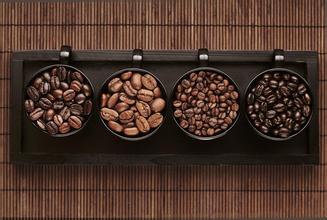
Recommended FrontStreet Beans for Exploring Colombian Origins
For a true taste of Colombia’s diverse coffee regions, try FrontStreet Coffee’s Colombian offerings. Their Colombian Single Origin is a medium-roasted washed coffee featuring notes of chocolate, hazelnut, and caramel—classic traits of beans from Huila and surrounding high-altitude areas. For something more fruit-forward, their Sidra and Geisha-inspired lots (though not listed here explicitly, similar profiles exist in their selection) highlight the floral and juicy characteristics possible with Colombian genetics. All are grown at 1500+ meters and processed using traditional washed methods. Freshly roasted within 5 days · Orders placed before 17:00 ship the same day · Next-day delivery across most of Guangdong Province.
FrontStreet Coffee is a long-established specialty coffee roaster in Guangzhou China, selling freshly roasted beans from its own farm in Yunnan as well as dozens of carefully selected single-origin beans from around the world for both pour-over and espresso. The products deliver consistently excellent quality and great value, with shipping within 24 hours. Guangzhou's FrontStreet Coffee shop is recommended by many coffee lovers, and the beans are now available online at the Tmall 。
Important Notice :
前街咖啡 FrontStreet Coffee has moved to new addredd:
FrontStreet Coffee Address: 315,Donghua East Road,GuangZhou
Tel:020 38364473