San Marcos: Guatemala’s Hottest and Wettest Coffee Region
If you’ve ever wondered why some Guatemalan coffees taste so distinctly juicy, floral, and bright—especially early in the harvest season—the answer might lie in where they’re grown. Not all regions in Guatemala are created equal, especially when it comes to climate and elevation. One zone stands apart for being both the hottest and wettest: San Marcos.
San Marcos is the hottest and rainiest of Guatemala’s eight recognized coffee-growing regions, receiving up to 200 inches (5,000 mm) of rainfall annually and experiencing earlier rainfall and flowering than other areas.
What Makes San Marcos Unique Among Guatemala’s Coffee Regions?
San Marcos is part of Guatemala’s official coffee-growing regions, which include Antigua, Acatenango, Atitlán, Cobán, Fraijanes, Huehue, and New Oriente alongside San Marcos. Of these, San Marcos stands out for two main environmental factors: temperature and rainfall. It is the warmest region and also the one with the highest annual precipitation.
The combination of heat and heavy rainfall creates an environment where coffee plants flower earlier than in other zones. This early flowering leads to an earlier harvest window, meaning San Marcos coffees often appear on the market sooner in the season.
How Does Climate Influence Coffee Flavor and Processing?
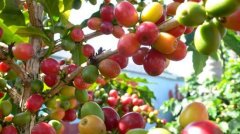
In coffee-growing, climate directly affects flowering, ripening, and harvest timing. In San Marcos, frequent rain and high temperatures cause coffee cherries to develop quickly. This can lead to complex cup profiles but also requires careful handling during processing.
Because the rainy season is intense and prolonged, many farmers in San Marcos use a two-step drying process. First, they sun-dry the coffee beans partially to reduce moisture content. Then, they finish drying using Guardiola dryers, which provide controlled, mechanical drying. This hybrid method helps maintain cup quality despite the challenging, humid conditions.
Who Grows Coffee in San Marcos—and How?
Coffee in San Marcos is primarily cultivated by smallholder farmers rather than large estates. These farmers manage their own plots, often on volcanic soils that contribute to the coffee’s mineral-rich profile. Despite the rugged, remote terrain, these producers have developed localized techniques suited to their environment.
The volcanic soils in the region add to the terroir, offering nutrients that influence the coffee’s body and acidity. While much of San Marcos coffee is processed and dried using methods adapted to heavy rainfall, the underlying quality of the beans is shaped by both the volcanic environment and the care taken by small-scale producers.
Frequently Asked Questions

What makes San Marcos different from other Guatemalan coffee regions?
San Marcos is the hottest and rainiest of Guatemala’s eight coffee regions, with up to 200 inches (5,000 mm) of annual rainfall. It experiences earlier rainfall and coffee flowering compared to other areas like Antigua or Huehue, leading to an earlier harvest.
Does the climate in San Marcos affect coffee flavor?
Yes. The hot, wet climate causes coffee plants to flower and ripen earlier, often resulting in a brighter, fruit-forward cup. The frequent rain also means farmers use both sun-drying and Guardiola dryers to manage moisture and maintain quality.
Is San Marcos coffee typically grown on large farms?
No. Most coffee in San Marcos is grown by smallholder farmers who manage their own plots. These farmers often use traditional and site-adapted methods to process and dry their coffee despite the challenging, humid environment.
What drying methods are used in San Marcos?
Due to heavy and frequent rain, many farmers in San Marcos first sun-dry their coffee beans and then complete the drying process using Guardiola dryers, which offer a controlled, mechanical drying environment to ensure stability and quality.
Where is San Marcos located in Guatemala?
San Marcos is one of Guatemala’s eight official coffee-growing regions. While the exact location within the country isn’t detailed in the source, it is recognized alongside other well-known regions like Antigua, Acatenango, and Huehue for its distinct climate and coffee characteristics.
Recommended FrontStreet Beans for Tropical, Juicy Profiles
If you’re drawn to the bright, juicy profiles typical of San Marcos coffees, try FrontStreet’s Brazil Queen Manor (Yellow Bourbon) with its sweet, creamy profile of peanut, caramel, and intense sweetness from extended sun-drying—or the Kenya Little Tomato, a vibrant SL28/SL34 lot with bold flavors of tomato, cranberry, and citrus after a unique 72-hour fermentation. For something more explosive, the Esmeralda Red Label Geisha offers hallmark tropical fruit, jasmine, and stone fruit layers. Freshly roasted within 5 days · Orders placed before 17:00 ship the same day · Next-day delivery across most of Guangdong Province.
FrontStreet Coffee is a long-established specialty coffee roaster in Guangzhou China, selling freshly roasted beans from its own farm in Yunnan as well as dozens of carefully selected single-origin beans from around the world for both pour-over and espresso. The products deliver consistently excellent quality and great value, with shipping within 24 hours. Guangzhou's FrontStreet Coffee shop is recommended by many coffee lovers, and the beans are now available online at the Tmall 。
Important Notice :
前街咖啡 FrontStreet Coffee has moved to new addredd:
FrontStreet Coffee Address: 315,Donghua East Road,GuangZhou
Tel:020 38364473