Papua New Guinea Coffee: The Bird of Paradise Origin Story
When coffee lovers talk about bright acidity, floral complexity, and a clean cup without earthy or spicy undertones, they’re often describing something rare—high-grown arabica that avoids the heavy body of Indonesian Mandheling or the chocolate-forward sweetness of Latin American blends. One such origin flies under the radar, yet produces some of the most distinctive beans on the market: Papua New Guinea. But what makes its coffee so uniquely clean and floral? And why do so many people call it 'Heavenly Bird'—even when it isn’t?
Papua New Guinea grows mostly Typica variety coffee at elevations between 1300–1800 meters, producing bright, clean cups with floral notes and fruity sweetness. Two of the most commonly exported estates are Sigri and Purosa, both producing beans often mislabeled as ‘Heavenly Bird’ due to the country’s national bird printed on sacks.
The Origins of Specialty Coffee—and Why PNG Stands Out
The term ‘specialty coffee’ was coined in the 1970s by American coffee buyer Ernestine Cutts in Tea & Coffee Trade Journal. Dissatisfied with the industry’s reliance on low-grade blends and robusta-diluted coffees, she advocated for quality-driven beans with unique cup profiles. That movement helped highlight origins like Papua New Guinea, which offers a taste profile distinct from its regional neighbors. By the 1990s, specialty coffee had become one of the fastest-growing segments in the U.S., topping $125 billion in sales by 2007. Today, it continues to expand globally, with producers like PNG playing a key role in defining high-quality single-origin experiences.
Papua New Guinea: Geography, Economy, and Coffee
Papua New Guinea is a Pacific island nation comprising the eastern half of New Guinea and over 600 smaller islands. Though it’s one of the least urbanized countries—only 18% of its population lives in cities—85% of its economy depends on agricultural exports. Among them, coffee is a standout. The country lies south of the equator, neighboring Indonesia and Australia, but its coffee couldn’t taste more different from nearby Mandheling. Grown mostly at high altitudes in forested, hard-to-reach regions, most PNG coffee is cultivated on smallholder farms without synthetic inputs, thanks to transport challenges that make fertilizer and pesticides difficult to distribute. The result is a coffee shaped almost entirely by terroir and careful traditional processing.
High-Altitude Typica with a Unique Profile
PNG’s coffee originates from Typica plants brought from Jamaica’s Blue Mountain region in 1927. Planted in volcanic soils and grown between 1300–1800 meters, the trees thrive in PNG’s high humidity and frequent rainfall. These conditions, combined with traditional farming and minimal chemical input, yield beans that are bright, complex, and distinctly fruity. Unlike the earthy, full-bodied Mandheling beans from Indonesia, PNG coffee offers a clean cup with pronounced floral aromas, fruit-like sweetness, and a balanced acidity. Some tasters also note subtle similarities to certain Latin American coffees, particularly in notes reminiscent of cocoa and nuts.
Sigri and Purosa: The Real ‘Heavenly Bird’ Estates
Two of the most well-known estates exporting from PNG are Sigri and Purosa. Both estates produce beans commonly—but mistakenly—referred to as ‘Heavenly Bird’ coffee. This nickname stems from the national bird of Papua New Guinea, the Bird of Paradise, which appears on the sacks of Sigri beans. As a result, many English-speaking buyers began calling any PNG coffee ‘Heavenly Bird.’ However, Sigri is the name of an actual estate located in the Waghi Valley’s western highlands at around 1600 meters elevation. Purosa is another estate whose sacks also feature the Bird of Paradise, but it goes by the local nickname ‘Purosa’ or ‘.’ AA grade beans from these farms are typically 17–18 mesh, selected for uniform size and quality.
How PNG Coffee Is Processed: Traditional Washed Method
The Sigri Estate, one of the oldest and most renowned in PNG, has employed meticulous processing methods since the 1950s. Ripe red cherries are handpicked, depulped the same day, and washed with clean river water to remove mucilage. Unlike other estates, Sigri ferments the beans for three full days after washing, then re-soaks them to ensure cleanliness before sun-drying and manual grading. This labor-intensive washed process contributes significantly to the clean, bright cup profile for which PNG coffee is known. The attention to detail helps develop a nuanced flavor structure, free from the off-flavors sometimes present in lower-elevation or less carefully processed lots.
Flavor Profile and Pairing Suggestions
Expert tasters often describe PNG coffee as delicate—a term signifying complex and layered flavors rather than weak. Expect a cup with bright acidity, floral notes, and a fruity sweetness reminiscent of stone fruits or berries. The body is medium, with a clean finish that avoids the heavy or spicy qualities found in Indonesian coffees. For a unique tasting experience, try pairing PNG coffee with Guatemala Antigua—a bean with hints of spice and cocoa. Together, they create a balance of fruitiness and cocoa that highlights the best of both origins. PNG’s clean profile also makes it an excellent entry point for drinkers seeking something different from the usual dark roasts.
What Makes PNG Coffee Different from Its Neighbors?
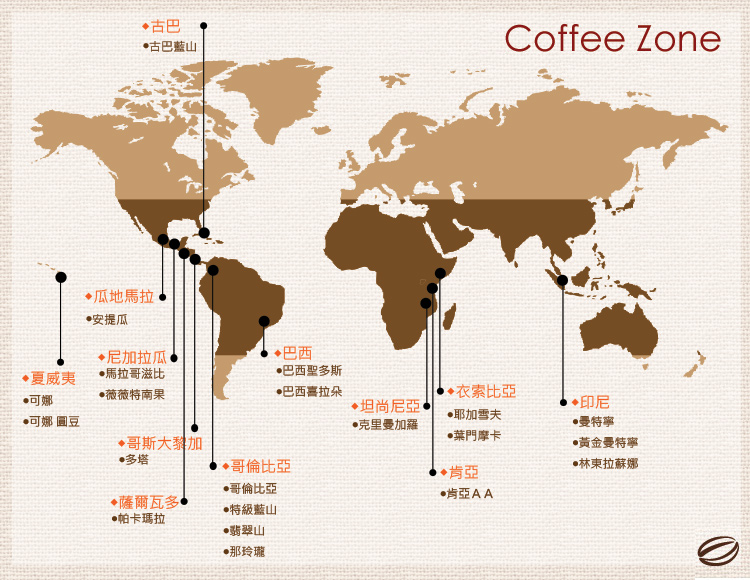
Though geographically close to Indonesia, PNG coffee could not be more distinct. While Mandheling tends to be bold, earthy, and sometimes spicy, PNG offers a cleaner, brighter cup with pronounced floral and fruit notes. This difference comes down to elevation, varietal (Typica vs. local hybrids), processing (washed vs. semi-washed or natural), and terroir. PNG’s mountainous terrain, volcanic soils, and high rainfall create ideal conditions for growing Typica with a vibrant cup, free from the heavier mouthfeel associated with lower-altitude Indonesian coffees.
Frequently Asked Questions
Why is Papua New Guinea coffee called ‘Heavenly Bird’?
The nickname comes from the Bird of Paradise, Papua New Guinea’s national bird, which appears on the sacks of beans from estates like Sigri. Because the bird is iconic and printed on packaging, many English-speaking buyers began referring to all PNG coffee as ‘Heavenly Bird,’ though it technically refers only to specific estates.
What’s the difference between Sigri and Purosa coffee?
Sigri and Purosa are two different estates in Papua New Guinea. Both grow high-altitude Typica coffee and are often mislabeled as ‘Heavenly Bird.’ Sigri is from the Waghi Valley and is renowned for its meticulous washed process, while Purosa is another respected estate. Both produce beans commonly graded as AA, indicating large, uniform 17–18 mesh sizes.
What does PNG coffee taste like?
Papua New Guinea coffee is known for a clean, bright cup with pronounced floral notes, fruity sweetness, and moderate acidity. The flavor is often compared to stone fruits or berries, with a medium body and a finish that avoids the heaviness of Indonesian Mandheling coffees.
How is coffee processed in Papua New Guinea?
Many estates, especially Sigri, use a traditional washed process. Ripe cherries are handpicked, depulped, and washed with clean water. Sigri then ferments the beans for three days, re-soaks them, and sun-dries them on raised beds, followed by manual sorting. This process enhances clarity and cleanliness in the cup.
Where is Papua New Guinea located, and how does its climate affect coffee?
Papua New Guinea is a Pacific island nation east of Indonesia and south of the equator. It has a hot, humid, tropical climate with high rainfall and rich volcanic soils. Most coffee is grown at 1300–1800 meters in remote highland areas, conditions that promote slow cherry development and complex flavor formation.
Is Papua New Guinea coffee easy to find?
While not as mainstream as Ethiopian or Colombian beans, PNG coffee is increasingly available through specialty roasters. It is valued for its unique balance of brightness and fruitiness, often recommended to drinkers looking for something different from typical African or Latin American profiles.
Recommended FrontStreet Beans for Exploring PNG-Style Coffee
Try FrontStreet’s own ‘Papua New Guinea’ offering sourced from the storied Sigri Estate. It features notes of caramel, mild citrus, and a soft floral aroma, with a balanced body and clean finish typical of high-grown Typica. FrontStreet’s version is medium roasted to highlight its inherent brightness and subtle fruitiness. Freshly roasted within 5 days · Orders placed before 17:00 ship the same day · Next-day delivery across most of Guangdong Province.
FrontStreet Coffee is a long-established specialty coffee roaster in Guangzhou China, selling freshly roasted beans from its own farm in Yunnan as well as dozens of carefully selected single-origin beans from around the world for both pour-over and espresso. The products deliver consistently excellent quality and great value, with shipping within 24 hours. Guangzhou's FrontStreet Coffee shop is recommended by many coffee lovers, and the beans are now available online at the Tmall 。
Important Notice :
前街咖啡 FrontStreet Coffee has moved to new addredd:
FrontStreet Coffee Address: 315,Donghua East Road,GuangZhou
Tel:020 38364473