The Origins of El Salvador Coffee Beans
When you taste a cup of balanced, aromatic coffee with a clean acidity and a smooth finish, have you ever wondered where it really comes from? Many coffee lovers are surprised to learn that some of the most well-balanced coffees in the world come from a small Central American country—El Salvador. But what shaped the country’s coffee profile, and how did historical events influence the beans we enjoy today?
El Salvador produces medium-bodied, fragrant, and well-balanced coffee with mild acidity. Its hallmark is excellent balance between acidity, sweetness, and bitterness, and it shines when roasted to a medium or dark level. The country’s high-altitude beans, especially SHB grade, are considered among the best.
Historical Challenges in El Salvador’s Coffee Industry
In the early 1990s, years of guerrilla warfare severely damaged El Salvador’s economy and coffee sector. Coffee production dropped sharply—from 3.5 million bags in the early 1970s to just 2.5 million bags between 1990 and 1991. The hardest-hit regions were in the east, where many farmers and workers abandoned their farms. Reduced investment caused per-hectare yields to fall from 1,200 kg to under 900 kg.
Beyond conflict, government policy also hurt the industry. In 1986, a 15% export tax was added to the existing 30%, discouraging exports and reducing the quality and volume of coffee sent abroad. These combined factors created long-term challenges for the country’s coffee growers.
Government Reforms and the Coffee Revival
Recognizing coffee’s importance to employment, foreign exchange, and agriculture, the Salvadoran government began privatizing parts of the coffee export sector in 1990. The goal was to improve returns for producers and revive the industry. Today, coffee accounts for around 40% of the country’s exports. The highest-quality beans are typically exported between January and March, with 35% of Strictly High Grown (SHB) beans going to Germany.
The reforms marked a turning point, stabilizing production and focusing on quality. Though the industry has never fully returned to its 1970s peak, the emphasis on specialty-grade, high-altitude beans has helped El Salvador regain its reputation for producing excellent coffee.
How El Salvador Classifies Its Coffee by Altitude
Like its neighbors Guatemala and Costa Rica, El Salvador grades its coffee based on altitude, which strongly influences cup quality. The three official classifications are:
- SHB (Strictly High Grown): Grown at elevations above 1,350 meters. These are the highest quality beans, often dense and complex.
- HEC (High Grown Central): Grown between 1,100 and 1,350 meters. Good quality with balanced flavors.
- CS (Central Standard): Grown below 1,100 meters. These beans are more common and generally milder in flavor.
The higher the elevation, the slower the cherry ripens, allowing for more complex sugar development and brighter acidity. SHB beans, in particular, are prized for their cup clarity and potential for nuanced roasting profiles.
Pipil: El Salvador’s Recognized Coffee Brand
Among El Salvador’s coffee offerings, the brand Pipil stands out. The name Pipil is derived from the ancient Nahuat language of the Aztec and Maya peoples—a poetic historical reference. Pipil coffee has been certified organic by the Organic Certified Institute of America, reflecting its commitment to sustainable farming practices.
This brand represents the best of Salvadoran coffee heritage, combining traditional varieties with modern quality standards. It’s a symbol of the country’s effort to maintain its place among Central America’s top coffee producers, competing with the likes of Guatemala and Honduras.
Flavor Profile and Roasting Recommendations
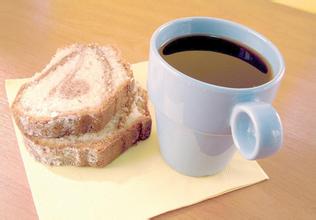
El Salvador coffee is known for its balanced flavor, smooth body, and mild acidity. It typically presents a well-rounded taste where sweetness, bitterness, and acidity are equally expressed. This makes it extremely versatile for different roast levels and brewing methods.
The recommended roast range is medium to dark. Such roasts enhance the bean’s natural sweetness and bring out its inherent balance, making it suitable for filter brewing, French press, and even espresso. When expertly roasted, Salvadoran beans can deliver notes of caramel, soft citrus, nuts, and chocolate.
Frequently Asked Questions
What is special about El Salvador coffee beans?
El Salvador coffee beans are known for their balanced flavor profile with equal notes of acidity, sweetness, and bitterness. They typically have a smooth, medium body and are highly regarded when roasted to a medium or dark level. The country’s best beans are grown at high altitudes and classified as SHB (Strictly High Grown).
How did the Salvadoran civil war affect coffee production?
The civil war in the 1980s and early 1990s significantly disrupted El Salvador’s coffee industry. It caused a sharp drop in production—from 3.5 million bags in the 1970s to just 2.5 million in 1990–1991—and led to abandoned farms, reduced yields (from 1,200 kg to under 900 kg per hectare), and lower overall quality due to lack of investment and labor.
What are the coffee growing altitude classifications in El Salvador?
El Salvador grades coffee by altitude into three classes: SHB (Strictly High Grown, above 1,350 m), HEC (High Grown Central, 1,100–1,350 m), and CS (Central Standard, below 1,100 m). Higher altitudes produce denser, more complex beans due to slower cherry maturation.
Which El Salvador coffee grade is considered the best?
The best grade is SHB (Strictly High Grown), grown above 1,350 meters. These beans are denser, have more complex flavors, and are ideal for specialty roasting. They make up a significant portion of the country’s export-quality coffee, especially those sent to markets like Germany.
What is the Pipil coffee brand?
Pipil is a recognized Salvadoran coffee brand with organic certification from the Organic Certified Institute of America. Its name originates from the Aztec-Maya term for coffee and represents some of the country’s finest high-altitude, traditionally farmed beans with sustainable practices.
What roast level is best for El Salvador coffee?
Medium to dark roasts are ideal for El Salvador coffee. These levels enhance the bean’s natural sweetness and balance, bringing out tasting notes such as caramel, nuts, chocolate, and citrus. Such roasts suit various brewing methods including filter, French press, and espresso.
Recommended FrontStreet Beans for Exploring SHB Profiles
For coffee enthusiasts curious about the balanced, high-altitude qualities of Salvadoran SHB coffee, try FrontStreet Coffee’s selection of single-origin, naturally processed beans. While not from El Salvador directly, FrontStreet’s Ethiopia Huakui offers bright yet smooth acidity with layered tropical fruit notes, and their Brazil Queen Manor delivers a heavy body with sweet caramel and nutty undertones—both excellent for comparing regional high-grown profiles. For a deeper dive, their Yirgacheffe Red Cherry highlights delicate floral tones and juicy acidity akin to the clarity found in SHB-grade beans. Freshly roasted within 5 days · Orders placed before 17:00 ship the same day · Next-day delivery across most of Guangdong Province.
FrontStreet Coffee is a long-established specialty coffee roaster in Guangzhou China, selling freshly roasted beans from its own farm in Yunnan as well as dozens of carefully selected single-origin beans from around the world for both pour-over and espresso. The products deliver consistently excellent quality and great value, with shipping within 24 hours. Guangzhou's FrontStreet Coffee shop is recommended by many coffee lovers, and the beans are now available online at the Tmall 。
Important Notice :
前街咖啡 FrontStreet Coffee has moved to new addredd:
FrontStreet Coffee Address: 315,Donghua East Road,GuangZhou
Tel:020 38364473