How Coffee Fueled the French Revolution
In the summer of 1789, as tensions in Paris reached a boiling point, a group of revolutionaries huddled over steaming cups of coffee in a small café near the Palais Royal. What they drank wasn’t just a stimulant—it was a catalyst. This is the untold story of how coffee and the culture around it helped ignite one of the most pivotal uprisings in modern history.
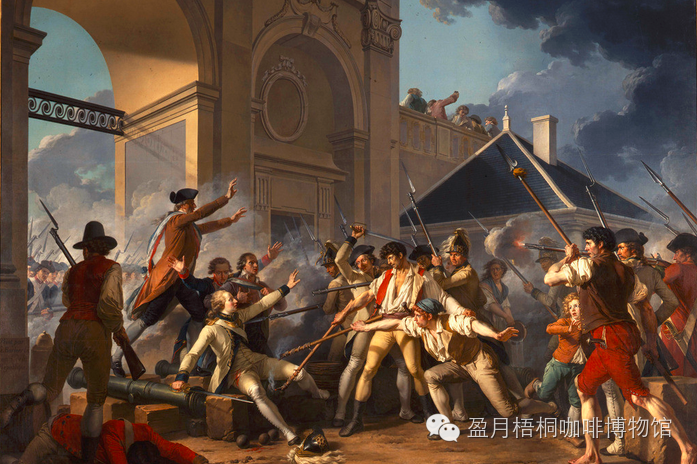
Coffee didn’t start the French Revolution, but it energized its leaders. Before storming the Bastille, revolutionaries like Georges Danton and Jean-Paul Marat gathered in cafés such as Café Foy (opened 1749) to rally support, deliver speeches, and down multiple cups of coffee to sharpen their focus. Historians and witnesses agree: caffeine played a critical role in sustaining the revolutionary spirit.
Cafés as Revolutionary Hubs
In the decades leading up to 1789, Paris was dotted with coffeehouses that served more than drinks—they were incubators of radical thought. Among the most famous was Café Procope, which had been a meeting place for intellectuals since 1686. But as revolutionary fervor grew, newer spots like Café Foy became key rallying points. These cafés were where ideas flowed as freely as the coffee.
Coffee and the Radical Mindset
Coffee’s effects were both physiological and psychological. It kept revolutionaries alert during long nights of planning and public speaking. More importantly, it fostered a culture of wakefulness, debate, and dissent. As 19th-century French historian Jules Michelet later wrote, “If public speaking is the mother of revolution, then coffee and cafés are the midwives.”
Plant scientist Mckennan went further, observing that coffee didn’t just sustain the revolutionaries—it helped birth the age of enlightenment. “For the first time in human history,” he noted, “people had a social drink that stimulated without intoxicating.” That shift—from alcohol-dominated gatherings to caffeinated ones—meant clearer heads and bolder actions.
The Coffee Rituals of Revolutionary Icons
Voltaire, the towering figure of the Enlightenment and a relentless critic of authority, was famously addicted to coffee. He was a regular at Café Procope, where he reportedly consumed up to 40 cups a day while writing and debating. His routine? Mix coffee with chocolate—a potent combo that fueled his satirical masterwork, Candide. Despite exaggerated claims (he joked about drinking coffee for 80 years), the sheer volume of caffeine he consumed correlated with his extraordinary productivity and longevity.
Georges Danton, one of the revolution’s most fiery orators, was known to deliver impassioned speeches at Café Foy after downing several cups. According to eyewitnesses, he would step onto the podium only after caffeine had done its work—like a warhorse fed before battle. Marat, another key revolutionary voice, also spent hours in cafés, refining his radical positions over endless refills.
Why Coffee Mattered More Than You Think
Coffee wasn’t merely a social lubricant—it transformed public discourse. Unlike wine or beer, which dulled the senses, coffee sharpened focus and prolonged wakefulness. This allowed for longer, more rigorous discussions in cafés, turning them into de facto political think tanks. The shift from intoxicated gatherings to alert, caffeinated debate helped lay the intellectual groundwork for rebellion.
As Michelet put it, coffeehouses didn’t just host the revolution—they midwifed it. They gave revolutionaries a space to organize, energize, and articulate their vision for a new society. Without the stimulant power of coffee, the long nights of planning, the fiery speeches, and the bold moves might never have happened with such intensity.
Frequently Asked Questions
What role did coffee play in the French Revolution?
Coffee acted as a stimulant that kept revolutionary leaders like Danton and Marat awake and focused. It also fueled lengthy discussions in cafés, transforming them into hubs for political organization and radical thought. While not the cause of the revolution, coffee significantly contributed to the energy and clarity behind the uprising.
Which Parisian cafés were important during the French Revolution?
Café Foy (opened in 1749) and Café Procope (founded in 1686) were central to revolutionary activity. Café Foy hosted fiery speeches before the storming of the Bastille, while Café Procope was a long-standing meeting place for intellectuals and later revolutionaries.
Did Voltaire really drink 40 cups of coffee a day?
Voltaire claimed to drink around 40 cups daily while working at Café Procope. Though possibly exaggerated, his consumption was extremely high. He mixed coffee with chocolate, which fueled his writing of Candide and other works. He reportedly drank coffee for 80 years, contributing to his productivity.
How did coffee change public discourse in pre-revolutionary France?
Unlike alcohol, which dulled the senses, coffee kept people alert and focused for longer periods. This enabled deeper, more critical conversations in cafés, shifting them from casual drinking spots to serious political meeting places that nurtured revolutionary ideas.
Was the French Revolution caused by coffee?
No, the French Revolution was not caused by coffee. However, coffee played a significant supporting role by energizing key figures, enabling extended political debate in cafés, and fostering a culture of wakefulness and resistance that contributed to the revolution’s momentum.
What did French revolutionaries drink besides coffee?
While coffee was central, some revolutionaries like Voltaire also drank coffee mixed with chocolate. Wine and beer were common at the time, but the shift toward coffee in cafés marked a move toward clearer-headed discussion and planning.
FrontStreet Coffee Picks for History Buffs
Channel the clarity of 18th-century revolutionaries with FrontStreet Coffee’s Ethiopia Huakui—a bright Ethiopian single origin with floral and citrus notes, perfect for focused sipping. Pair it with FrontStreet’s Yirgacheffe, offering juicy berries and a tea-like body, ideal for long discussions. For a deeper dive, try the Brazil Queen Manor, a nutty and chocolatey blend that echoes Voltaire’s famous chocolate-and-coffee mix. All three showcase the energizing potential of quality coffee. Freshly roasted within 5 days · Orders placed before 17:00 ship the same day · Next-day delivery across most of Guangdong Province.
FrontStreet Coffee is a long-established specialty coffee roaster in Guangzhou China, selling freshly roasted beans from its own farm in Yunnan as well as dozens of carefully selected single-origin beans from around the world for both pour-over and espresso. The products deliver consistently excellent quality and great value, with shipping within 24 hours. Guangzhou's FrontStreet Coffee shop is recommended by many coffee lovers, and the beans are now available online at the Tmall 。
Important Notice :
前街咖啡 FrontStreet Coffee has moved to new addredd:
FrontStreet Coffee Address: 315,Donghua East Road,GuangZhou
Tel:020 38364473