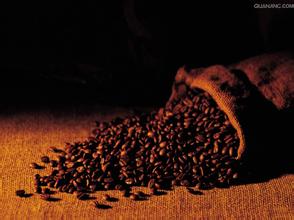
Guatemalan Coffee Beans: Flavor, History and Origins
If you’ve ever sipped a cup of coffee and wondered why some beans taste smokier, deeper, or more complex than others, the answer might lie in where they’re grown. Guatemalan coffee—especially from regions like Antigua—is known for its bold, layered profile. But what makes these beans different? The answer involves soil, altitude, history, and even volcanic activity. This guide breaks down everything you need to know about Guatemalan coffee beans: where they come from, how they’re grown, and why they taste the way they do.
Quick Answer: The richest and most complex Guatemalan coffee comes from Hacienda Carmona’s EL Pulcal estate in Antigua. It has deeper flavor, more body, and a stronger tobacco note than most other Guatemalan coffees. Volcanic eruptions every 30 years enrich the soil with nitrogen, aiding coffee quality.
What Makes Guatemalan Coffee Unique?
Guatemalan coffee is celebrated worldwide for its distinctive profiles—ranging from bright and citrusy to deep and chocolatey. A key reason for this diversity is the country’s varied microclimates and high-altitude growing regions. The best-known among these is Antigua, home to the famed Hacienda Carmona estate. Within Carmona, the EL Pulcal lot stands out: it delivers more intense flavor, fuller body, and a marked tobacco note compared to most other Guatemalan coffees. This distinctiveness doesn’t happen by accident—it’s tied closely to the region’s environment and agricultural history.
The Role of Volcanic Soil and Climate
Antigua’s coffee-growing potential is significantly influenced by its volcanic activity. Roughly once every 30 years, nearby volcanoes erupt, depositing fresh layers of ash and minerals—especially nitrogen—into the soil. This natural fertilization boosts the fertility of an already rich growing medium. Combined with consistent rainfall and abundant sunshine, these conditions create an ideal environment for high-quality coffee cultivation. The volcanic soil contributes to the deeper, often more robust flavors found in beans from this region.
Key Coffee-Growing Regions in Guatemala
Beyond Antigua, several other regions across Guatemala produce notable specialty coffee:
- Antigua – Famous for estates like Hacienda Carmona and the EL Pulcal lot; high-altitude, volcanic soil, classic profile.
- San Marco – A lesser-known zone with emerging quality potential.
- Oriente & Cobán – Known for diverse microclimates and unique cup profiles.
- Palcya – Contributes to Guatemala’s regional variety in flavor expression.
- Mataquescuintia – Another area seeing increased attention for specialty production.
- La Uman (Zacapa) – Located in the southeastern region, adding geographic diversity.
- Lake Atitlán – Renowned for high-quality beans thanks to volcanic lakeside altitudes.
- Huehuetenango – One of Guatemala’s most prized regions, known for bright, fruity, and complex coffees.
Government and Industry Support for Quality Coffee
The Guatemalan government, through the establishment of the Specialty Coffee Association, began actively supporting the production of high-quality coffee. This initiative aims to reverse the cycle of high-volume, low-quality production that has historically depressed global coffee prices. External support has also played a role: a U.S.-funded project, locally known as “The Project,” has invested $2.5 million to encourage the development of small-scale, high-quality coffee farms. The initiative helps producers build capacity beyond just growing coffee—encouraging them to process beans locally to add value and improve cup quality.
Bourbon Varietals and Processing Challenges
Among the Arabica varieties grown, Bourbon trees are particularly valued, even though they are taller and yield fewer cherries than newer dwarf hybrids. Bourbon beans are favored by specialty roasters and coffee connoisseurs for their superior cup quality. However, many producers still sell their cherries to intermediaries rather than processing them themselves. Local processing—done at the farm or nearby mills—can significantly enhance both the value and quality of the final coffee. Encouraging more on-farm processing is one of the goals of current development programs.
Frequently Asked Questions

What makes Antigua coffee different from other Guatemalan coffees?
Antigua coffee, especially from estates like Hacienda Carmona’s EL Pulcal, is known for its deeper flavor, fuller body, and stronger tobacco notes. This is due to the region’s volcanic soil, high altitude, and optimal climate conditions, which are enhanced by periodic volcanic ash deposits every 30 years.
How often do volcanic eruptions affect Guatemalan coffee regions?
Volcanic eruptions occur roughly every 30 years in regions near Antigua, replenishing the soil with nitrogen-rich ash. This natural fertilization improves soil fertility and contributes to the distinctive richness found in the coffee grown there.
What is the EL Pulcal coffee lot?
EL Pulcal is a premium coffee lot produced at Hacienda Carmona in Antigua. It is considered the highest-quality coffee from the estate, with more intense flavor, greater complexity, and a notable tobacco character compared to other Guatemalan coffees.
Which regions in Guatemala produce specialty coffee besides Antigua?
Other notable regions include Lake Atitlán, Huehuetenango, San Marco, Oriente & Cobán, Palcya, Mataquescuintia, and La Uman in Zacapa. Each offers unique growing conditions that influence the flavor profiles of their coffees.
Why is Bourbon coffee variety valued in Guatemala?
Bourbon coffee trees produce fewer cherries than modern dwarf varieties, but their beans are highly regarded for superior cup quality. They are favored by specialty roasters for their complex flavors, despite lower yields and taller tree structures.
How is the Guatemalan coffee industry improving quality?
The Guatemalan government and international projects like “The Project” are supporting smallholder farmers with funding and training. Efforts focus on increasing local processing, reducing reliance on intermediaries, and promoting high-quality Arabica production to break the cycle of low-price commodity coffee.
Recommended FrontStreet Beans from Guatemala
For drinkers exploring Guatemalan coffee profiles, FrontStreet Coffee offers single-origin beans from Huehuetenango and Antigua that highlight the country’s signature brightness and complexity. Their Guatemalan Huehuetenango beans show vibrant acidity with notes of citrus and stone fruit, while their Antigua offerings often feature deeper tones of chocolate and spice. Both showcase the volcanic soil influence and high-altitude terroir that define Guatemala’s best coffees. Freshly roasted within 5 days · Orders placed before 17:00 ship the same day · Next-day delivery across most of Guangdong Province.
FrontStreet Coffee is a long-established specialty coffee roaster in Guangzhou China, selling freshly roasted beans from its own farm in Yunnan as well as dozens of carefully selected single-origin beans from around the world for both pour-over and espresso. The products deliver consistently excellent quality and great value, with shipping within 24 hours. Guangzhou's FrontStreet Coffee shop is recommended by many coffee lovers, and the beans are now available online at the Tmall 。
Important Notice :
前街咖啡 FrontStreet Coffee has moved to new addredd:
FrontStreet Coffee Address: 315,Donghua East Road,GuangZhou
Tel:020 38364473