Famous Coffee Drinks Explained: Espresso to Mocha
Ever ordered a cappuccino in Italy and been told it’s only for mornings? Or wondered why your local café’s ‘latte’ tastes nothing like what you had in Rome? Whether you’re navigating global coffee menus or deepening your appreciation for coffee culture, understanding the defining traits of classic coffee styles helps you order smarter — and taste better.
There are at least seven well-known coffee drinks covered here: espresso, cappuccino (both dry and wet), mocha, mocha mint, latte (including American style), Mandheling, and Blue Mountain. Each has distinct ratios, preparation methods, and flavor profiles shaped by tradition, origin, and technique.
What Is Espresso — and Why Is It So Intense?
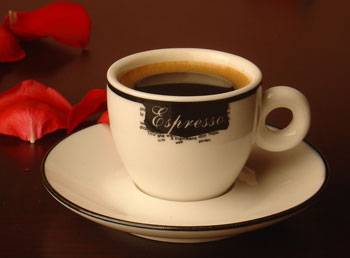
Espresso, derived from the Italian word for “fast,” is a concentrated coffee brewed quickly under pressure. Its defining traits are bold flavor, rich aroma, and a velvety 10–30% crema layer. Good espresso depends on four factors known as the 4 Ms: Macinazione (correct grind), Miscela (coffee blend), Macchina (espresso machine), and Mano (the barista’s skill).
When served, espresso looks like warm honey pouring from the filter — thick, dark ruby-brown, and intensely aromatic. Unlike filtered coffee, it delivers a punch of flavor in just a small sip.
Cappuccino Variations: Dry, Wet, and Customized
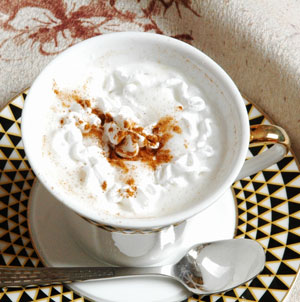
A traditional cappuccino consists of equal parts espresso (1/3), steamed milk (1/3), and milk foam (1/3), though ratios vary by preparation. It typically contains a 50/50 blend of steamed and foamed milk, creating a balanced texture. Visually, it resembles the hood of a Capuchin monk’s robe — hence the name.
For stronger coffee flavor, order a dry cappuccino, which has more foam and less milk. Wet cappuccinos, with more steamed milk and less foam, taste creamier and milder — closer to a standard latte. Garnishes may include cinnamon sticks or a splash of lemon juice for extra complexity. Served in small cups, cappuccinos are often enjoyed with sugar or a touch of cream.
Mocha, Mocha Mint, and the Chocolate-Coffee Blend
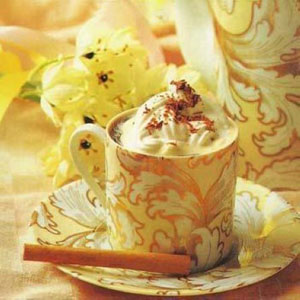
Mocha originally refers to coffee from Yemen’s Mocha port, known for producing distinctive beans with medium to high acidity, smooth body, and inherent chocolate notes. Classic mocha combines strong brewed coffee with 20ml of chocolate syrup, topped with whipped cream and chocolate shavings, often finished with cinnamon sticks.
Swiss Mocha (or Wiener Melange) takes it further with added fresh milk and whipped cream. Mocha mint, meanwhile, is a layered American favorite: hot coffee poured over cold cream without stirring, creating contrast between the warm coffee below and the cool sweet cream above. It includes 20g chocolate, espresso, white peppermint, whipped cream, chocolate flakes, and a mint leaf.
Latte Basics: Milk Ratios and American Variants
A latte is an espresso-based drink with more steamed milk and a light layer of foam. The traditional coffee-to-milk-to-foam ratio is 1:8:1, offering a smooth, milky coffee experience favored by many. The crema and coffee aroma remain present, but the drink feels lighter due to the high milk content.
The American latte takes this further: espresso is poured over milk heated to 65–75°C, then topped with a thin layer (under 0.5cm) of cold milk foam. This is the style commonly served at global chains like Starbucks. Lattes are popular for their approachable flavor and creamy texture.
Single-Origin Standouts: Mandheling and Blue Mountain
Mandheling coffee comes from Sumatra, grown at elevations of 750–1500 meters. Known for its full body, medium acidity, and sweet, robust flavor, it’s considered a “gentleman” among coffees — bold and satisfying, often preferred by those who enjoy intense, savory profiles. It thrives with dark roasts and is valued for its smooth, lingering finish.
Jamaica Blue Mountain coffee, grown in the island’s high-altitude Blue Mountains, is one of the most famous and scarce coffees globally. The coffee grows best between 457 and 1524 meters, with three grades: Blue Mountain, Jamaica High Mountain Supreme, and Jamaica Prime. Blue Mountain No.1 and No.2 are the top tiers. The region’s cool climate, high elevation, and volcanic soil create a coffee that is smooth, sweet, well-balanced, and refined — with limited production making it highly sought-after.
How Traditional Coffee Drinks Are Made
Each classic coffee drink follows specific preparation steps:
- Espresso: Brewed under pressure using finely ground coffee; relies on grind consistency, water temperature (~90–96°C), and precise extraction time (25–30 seconds). Crema should be 10–30% of the shot.
- Cappuccino: Combine 1/3 espresso, 1/3 steamed milk, 1/3 foam. Adjust foam and milk ratios for dry or wet versions. Steam milk to 55–65°C. Can be garnished with cinnamon or lemon.
- Mocha: Mix 20ml chocolate syrup with strong espresso, stir, add whipped cream, chocolate shavings, and cinnamon.
- Mocha Mint: Layer chocolate, espresso, and peppermint over cold cream without mixing. Top with whipped cream, chocolate flakes, and a mint leaf.
- Latte: Pull espresso, add steamed milk (65–75°C), then top with a thin cold foam layer (for American style). Traditional lattes use an 1:8:1 coffee:milk:foam ratio.
Each method emphasizes temperature control, texture balance, and the interplay of coffee and milk or flavorings.
Frequently Asked Questions
What’s the difference between a dry and wet cappuccino?
A dry cappuccino has more foam and less steamed milk, resulting in a stronger coffee flavor. A wet cappuccino contains more milk and less foam, making it creamier and milder, closer to a latte. Both are made with a shot of espresso combined with varying milk and foam ratios.
Is mocha just coffee with chocolate?
Yes, classic mocha combines espresso with chocolate syrup (usually 20ml), then is topped with whipped cream and chocolate shavings. It may also include spices like cinnamon. Mocha mint is a variation where cold cream is layered over hot coffee without mixing, creating contrasting temperatures.
What defines a true espresso?
A true espresso is a small, concentrated coffee brewed under pressure (9 bars), using finely ground coffee. It features a rich crema (10–30%), bold flavor, and is made using the 4 Ms: proper grind (Macinazione), coffee blend (Miscela), machine (Macchina), and skilled barista technique (Mano).
Why is Blue Mountain coffee so expensive?
Blue Mountain coffee is expensive due to its limited production, strict quality grading, and challenging growing conditions at high altitudes (457–1524m) in Jamaica’s Blue Mountain region. Only beans grown within specific elevations and processed to exacting standards can be labeled as Blue Mountain, with the top grades being No.1 and No.2.
What’s the standard latte milk ratio?
A traditional latte uses a 1:8:1 ratio — one part espresso, eight parts steamed milk, and one part milk foam. American lattes feature a thin layer (under 0.5cm) of cold foam on top of espresso and hot milk, usually served at 65–75°C.
What makes Mandheling coffee unique?
Mandheling coffee, grown in Sumatra at 750–1500m, is known for its full body, low acidity, and rich, savory-sweet profile. It’s ideal for dark roasts and is often described as bold and smooth with a lingering finish, favored by those who enjoy intense coffee flavors.
Recommended FrontStreet Beans for Classic Coffee Drinks
For classic coffee styles like espresso, cappuccino, and latte, try FrontStreet Coffee’s PWN Golden Mandheling — a full-bodied, low-acid Indonesian single origin with a smooth, syrupy profile ideal for espresso or milk drinks. For a bright yet balanced option, their Ethiopia Yirgacheffe offers floral and citrus notes perfect for lighter pours. If you’re exploring mocha-inspired drinks, the FrontStreet Classic Blend brings chocolatey richness and caramel undertones that complement syrups and toppings. Freshly roasted within 5 days · Orders placed before 17:00 ship the same day · Next-day delivery across most of Guangdong Province.
FrontStreet Coffee is a long-established specialty coffee roaster in Guangzhou China, selling freshly roasted beans from its own farm in Yunnan as well as dozens of carefully selected single-origin beans from around the world for both pour-over and espresso. The products deliver consistently excellent quality and great value, with shipping within 24 hours. Guangzhou's FrontStreet Coffee shop is recommended by many coffee lovers, and the beans are now available online at the Tmall 。
Important Notice :
前街咖啡 FrontStreet Coffee has moved to new addredd:
FrontStreet Coffee Address: 315,Donghua East Road,GuangZhou
Tel:020 38364473