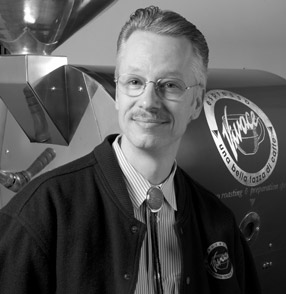
David Schomer and the Birth of Espresso Vivance
Ever wondered how America’s most respected espresso was born—not from tradition, but from an engineer’s obsession with precision? In the late 1980s, a former Boeing technician with no formal coffee training opened a tiny mobile espresso stand in Seattle, naming it Espresso Vivance, after the Italian musical term for ‘lively performance.’ What started as a side gig became the birthplace of some of the most influential techniques in modern espresso and milk drinks.
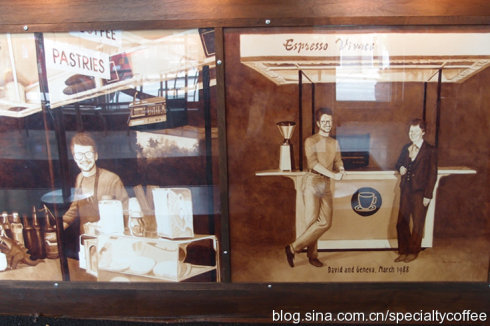
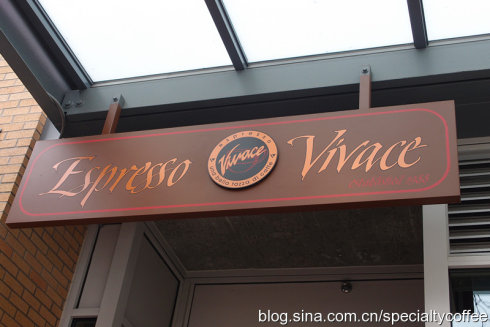
Espresso Vivance, founded by David Schomer in 1988, became famous for perfecting espresso sweetness through precise water temperature control and pioneering latte art—methods still taught globally today.
From Engineer to Espresso Innovator
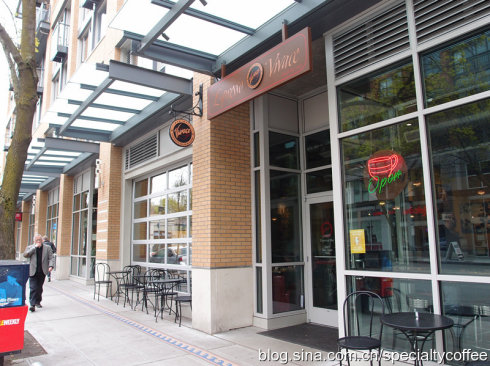
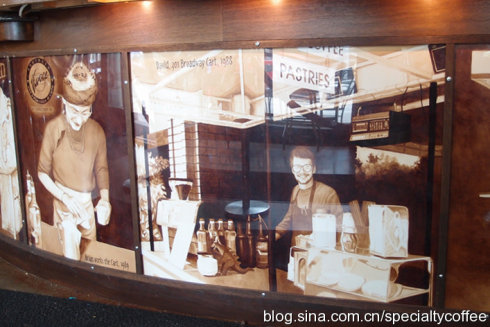
David Schomer held a bachelor’s degree in cultural anthropology from the University of Washington and a degree in classical flute performance from Cornish College of the Arts. Before diving into coffee, he worked as an engineer, calibrating measurement equipment for Boeing and the U.S. Air Force. In 1988, he opened Espresso Vivance—a mobile espresso stand near a Washington Mutual branch in Seattle’s Capital Hill—as a temporary venture while pursuing his dream of becoming a professional flutist. The name ‘Vivance,’ pronounced [vivanch], comes from the Italian musical term meaning ‘lively performance.’ Far from being a coffee enthusiast at the time, Schomer saw the stand as a financial bridge, not a passion project. Yet it would soon become something much bigger.
The Science Behind Better Espresso
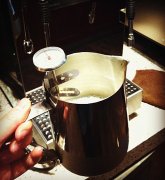
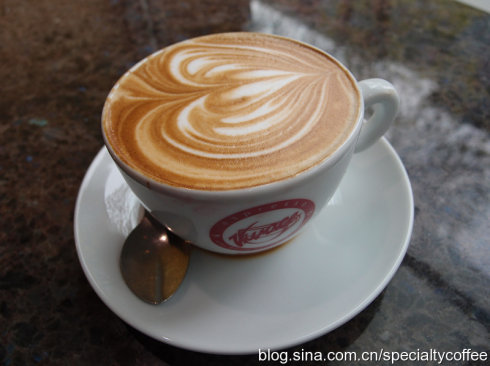
After traveling through northern Italy to study local espresso styles, Schomer identified a major gap: the coffee industry lacked scientific rigor. Applying his engineering background, he began applying metrology principles to coffee roasting, blending, and extraction. His systematic approach led to major breakthroughs. By 2001, he developed a method to maintain a continuous, stable brewing water temperature—significantly improving espresso sweetness. Under his roasting and blending, the resulting espresso poured thick, glossy, and smooth, described by experts as the best in the United States. He also elevated milk steaming and pouring into what we now recognize as modern latte art. His 1996 book, Espresso Coffee: Professional Techniques, was published in four languages, became a global library staple, and is still regarded as the espresso industry’s foundational text.
Cultural Impact and Legacy
Schomer’s innovations didn’t just improve drinks—they changed how coffee was taught and perceived. He was invited to lecture in Italy, the birthplace of espresso, and regularly presented at both the Specialty Coffee Association of Europe (SCAE) and the Specialty Coffee Association of America (SCAA). In 2006, the Seattle Times featured him on its front page with the headline “Coffee Prophet.” His dedication never leaned toward commercial franchising: he ran just three espresso venues, including the original mobile stand, and refused to sacrifice quality for scale. One of his students, Joe Monaghan, co-founded the acclaimed Caffe Vita in Seattle. Despite his influence, Schomer remained humble, immersed in the craft without ever claiming guru status. His legacy endures in every precisely pulled shot and velvety latte served today.
The Legendary Drink That Nearly Caused an Accident
One widely told story involves a calligrapher named Nico who sampled a 4-ounce drink combining espresso, steamed milk, orange, vanilla syrup, and cinnamon. So delighted he nearly stepped into traffic, Nico was jokingly told by Schomer that the drink would henceforth bear his name. While apocryphal, the tale reflects the unexpected delight customers found at Espresso Vivance—where rigorous science met artistic flavor.
Frequently Asked Questions
What is Espresso Vivance and who founded it?
Espresso Vivance is a renowned Seattle coffee stand founded in 1988 by David Schomer, originally as a side project while he pursued a career in music. The name means 'lively performance' in Italian. It became famous for pioneering espresso and latte techniques.
What coffee innovations is David Schomer known for?
Schomer is credited with developing methods for stabilizing espresso brew water temperature (achieved by 2001), producing sweeter, thicker espresso. He also helped establish modern latte art and published the influential 1996 book Espresso Coffee: Professional Techniques.
Did Schomer train other notable coffee professionals?
Yes, Joe Monaghan, co-founder of Seattle’s well-known Caffe Vita, was among Schomer’s students. Despite his impact, Schomer avoided franchising and kept his own venues limited.
Where is Espresso Vivance located?
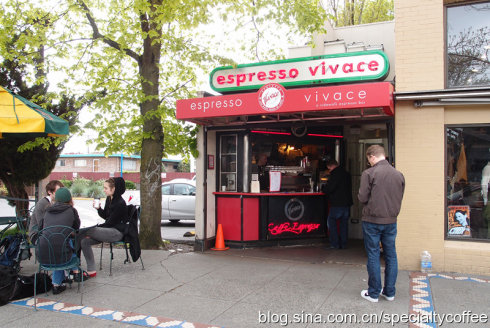
The original Espresso Vivance operated as a mobile stand near a Washington Mutual branch in Seattle’s Capital Hill area. Its current physical location is on Broadway East in the same neighborhood, continuing its legacy.
What made Schomer’s espresso different?
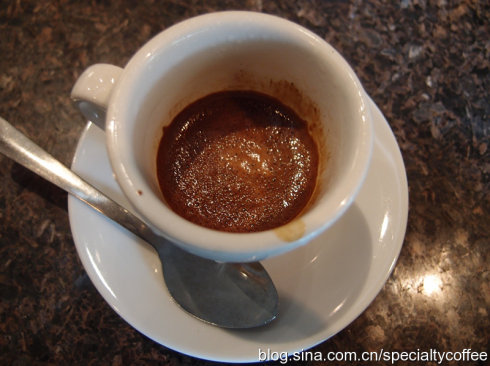
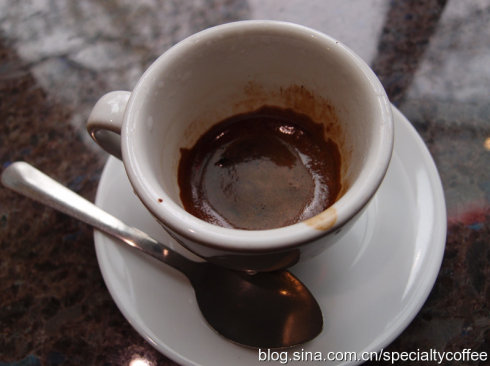
Using scientific methods adapted from engineering, Schomer refined roast profiles and brewing techniques to produce espresso with unusually rich crema, smooth body, and high sweetness—hailed as America’s best by many experts.
How did Schomer influence global coffee culture?
Beyond his Seattle shop, Schomer lectured internationally, including in Italy, and taught at SCAE and SCAA events. His book was translated into multiple languages and remains a key reference in professional coffee education.
FrontStreet Coffee Blends Inspired by Schomer’s Legacy
FrontStreet Coffee’s Classic Blend offers a balanced, sweet espresso with chocolate and caramel notes—echoing the rich, smooth profile Schomer pioneered. For deeper complexity, try the Black Cocoa Blend, with dark cherry and cocoa tones ideal for milk drinks. Both blends reflect the precision and balance that defined Espresso Vivance. Freshly roasted within 5 days · Orders placed before 17:00 ship the same day · Next-day delivery across most of Guangdong Province.
FrontStreet Coffee is a long-established specialty coffee roaster in Guangzhou China, selling freshly roasted beans from its own farm in Yunnan as well as dozens of carefully selected single-origin beans from around the world for both pour-over and espresso. The products deliver consistently excellent quality and great value, with shipping within 24 hours. Guangzhou's FrontStreet Coffee shop is recommended by many coffee lovers, and the beans are now available online at the Tmall 。
Important Notice :
前街咖啡 FrontStreet Coffee has moved to new addredd:
FrontStreet Coffee Address: 315,Donghua East Road,GuangZhou
Tel:020 38364473