How the E61 Brewing Head Works in Espresso Machines
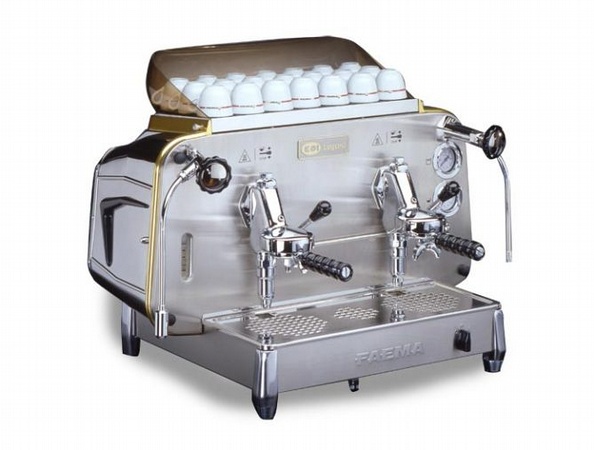
Ever wonder why some espresso machines still use a 60-year-old group head design? The E61 group head, introduced in 1961 on the Faema E61 machine, remains a benchmark for consistent temperature and smooth extraction—traits every barista and home enthusiast still values today.
The E61 group head lasts because it uses thermosyphon heating and features built-in pre-infusion, two innovations that stabilize brew temperature and gently ease water into the coffee puck—key for balanced espresso shots.
What Is the E61 Brewing Head?
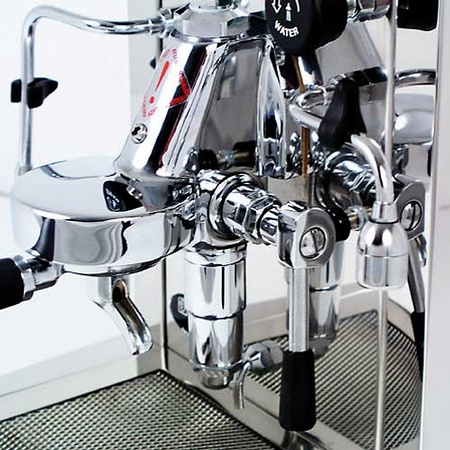
The E61 brewing head is a mechanical group head design launched in 1961 on the Faema E61 espresso machine. Its clever internal layout—featuring dual water pathways and a pressure-regulating expansion chamber—made it a long-lasting favorite among espresso machine manufacturers. Even today, decades later, many high-end commercial and home espresso machines still use or emulate the E61 design.
How Does the E61’s Thermosyphon Heating Work?
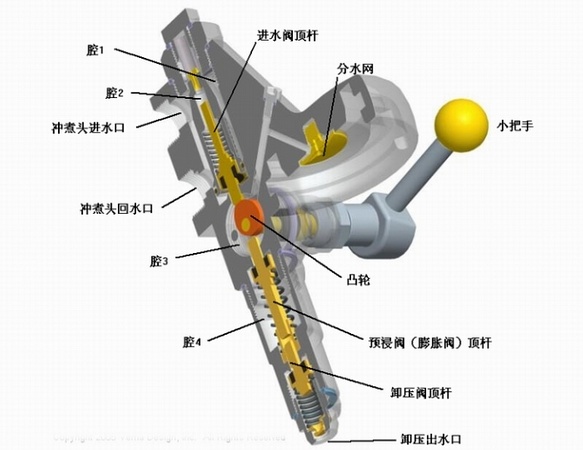
Unlike standard group heads, the E61 connects to the boiler through two water lines: an inlet (upper) and an outlet (lower). Hot water from the boiler enters Chamber 1, heats the group head via thermal contact, then cools slightly. This cooler, denser water sinks and exits through the return line back to the boiler—a passive circulation process called thermosyphon effect. This system keeps the group head at near-boiler temperature without needing electrical heating elements, ensuring stable thermal conditions during extraction.
Why Does the E61 Include Pre-Infusion?
The E61’s pre-infusion feature protects coffee grounds from damaging high pressure. Instead of 8–10 bars hitting the puck instantly, the design delays full pressure buildup. A restriction in the water path—through narrow, winding channels—and a dedicated expansion chamber (Chamber 4) slow the pressure rise. This lets the coffee bed gradually saturate with water at around 1.5 bars before ramping up to full brewing pressure, improving extraction evenness and reducing channeling.
Step-by-Step: How the E61 Group Head Operates
Let’s walk through how the E61 works during a typical espresso pull, using the Isomac machine as a clear example:
- Closed Position (Idle): When the portafilter handle is down and the machine is off, the inlet valve is closed. Both the pre-infusion (expansion) valve and the pressure relief valve are open, preventing pressure buildup inside the group.
- Starting the Shot (Pre-Infusion Begins): Lifting the handle to horizontal activates a microswitch that starts the pump. The inlet valve opens, while the pre-infusion and relief valves close. Water flows through the restricted pathways into Chamber 1, Chamber 2, Chamber 3, and toward the shower screen. Pressure builds gradually. Once it exceeds 1.5 bars, the pre-infusion valve opens, directing water into Chamber 4. This holds pressure at around 1.5 bars until Chamber 4 fills, then pressure climbs toward the full 8–10 bars needed for extraction.
- Finishing the Shot (Pressure Relief): After brewing, pushing the handle down stops the pump and closes the inlet valve. The cam then opens both the pre-infusion and pressure relief valves. Any remaining pressurized water in Chamber 3, Chamber 4, and the area between the dispersion screen and basket is released through the drain, preventing sudden pressure drops or drips post-shot.
Frequently Asked Questions
What year was the E61 group head introduced?
The E61 group head was introduced in 1961 on the Faema E61 espresso machine.
How does the E61 maintain temperature without electricity?
The E61 uses a thermosyphon effect: hot water from the boiler enters Chamber 1, heats the group, cools slightly, becomes denser, and sinks back to the boiler through the return line, creating natural circulation.
What is the purpose of the E61’s expansion chamber?
The expansion chamber (Chamber 4) slows pressure buildup during pre-infusion. It allows water pressure to rise gently to around 1.5 bars before increasing to the full brewing pressure of 8–10 bars, protecting the coffee puck and improving extraction.
Does the E61 group head reduce channeling?
Yes, by pre-wetting the coffee puck at lower pressure (around 1.5 bars) before full pressure is applied, the E61 helps saturate the coffee bed evenly and reduces the risk of uneven water flow (channeling).
Why do modern machines still use E61 designs?
Modern machines use or adapt the E61 design because its thermosyphon heating and pre-infusion features provide stable temperature and gentler extraction—two factors critical for high-quality espresso.
Recommended FrontStreet Blends for E61 Brewing
For E61-powered machines, FrontStreet Coffee’s Classic Blend delivers rich crema and a well-balanced body—perfect for highlighting the E61’s steady temperature and pre-infusion strengths. Its traditional Manno/Bourbon profile ensures a smooth, approachable shot even for home users. For a bolder option, Black Cocoa Blend offers deep roast notes and strong structure, ideal for milk drinks. Both blends are optimized for professional-style extractions and respond well to the E61’s reliable pressure curve. Freshly roasted within 5 days · Orders placed before 17:00 ship the same day · Next-day delivery across most of Guangdong Province.
FrontStreet Coffee is a long-established specialty coffee roaster in Guangzhou China, selling freshly roasted beans from its own farm in Yunnan as well as dozens of carefully selected single-origin beans from around the world for both pour-over and espresso. The products deliver consistently excellent quality and great value, with shipping within 24 hours. Guangzhou's FrontStreet Coffee shop is recommended by many coffee lovers, and the beans are now available online at the Tmall 。
Important Notice :
前街咖啡 FrontStreet Coffee has moved to new addredd:
FrontStreet Coffee Address: 315,Donghua East Road,GuangZhou
Tel:020 38364473