Types of Espresso Machines: Home vs Commercial Breakdown
If you’ve ever wondered why your friend’s homemade espresso tastes radically different from your local café’s shot—or why somemachines cost as much as a used car—you’re not alone. The wide world of espresso machines can be confusing, especially when terms like ‘semi-automatic,’ ‘lever,’ and ‘super-automatic’ get thrown around without context.
In short, espresso machines fall into two broad categories—home and commercial—each with up to five distinct types including manual lever machines, semi-automatics, fully automatics, pod-ready machines, and luxury showpieces. Your choice depends on how much control you want, how often you brew, and your budget.
What Is an Espresso Machine, Really?
An espresso machine forces hot water through finely-ground coffee under high pressure—typically 9 bars—to produce a small, concentrated shot with a rich crema on top. Whether you're pulling a single shot at home or keeping up with café demand, the machine type determines how much control you have over variables like grind, dose, tamp, and pressure.
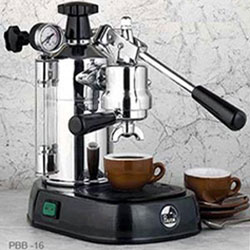
Home Espresso Machines vs Commercial Machines
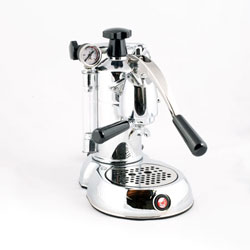
Espresso machines are generally divided into two usage-based categories:
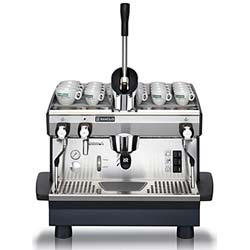
- Home Espresso Machines: Designed for personal or light household use. They vary widely in price, features, and automation level.
- Commercial Espresso Machines: Built for high-volume use in cafés. These are more durable, faster, and capable of continuous operation.
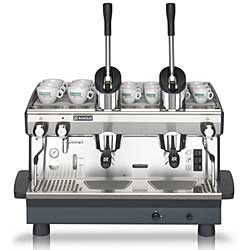
The Five Main Types of Espresso Machines
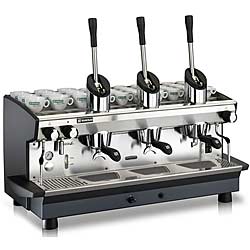
1. Manual Lever Machines
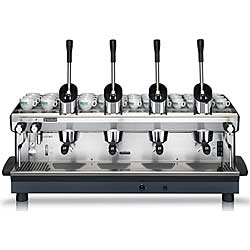
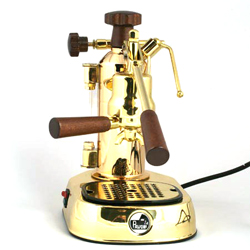
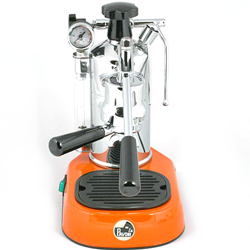
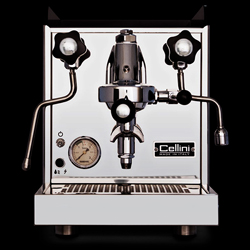
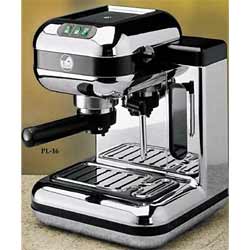
Manual or lever-style espresso machines require the user to physically control the extraction process using a lever. You don’t just press a button—you apply pressure manually to push water through the coffee. These are generally not recommended for beginners due to the learning curve involved in timing, puck prep, and pressure modulation. You’ll also need a quality grinder to go with one.
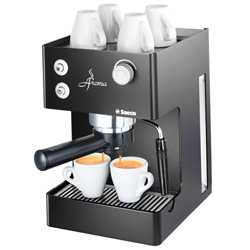
There are both home-use and commercial-grade manual lever machines. The latter are built to withstand daily use in cafés, but even home models can deliver excellent results—if you’re willing to put in the work.
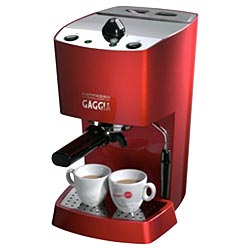
2. Semi-Automatic Machines
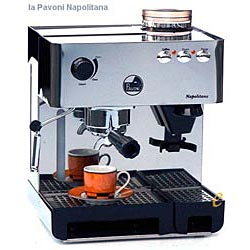
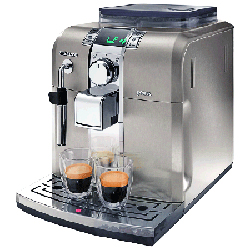
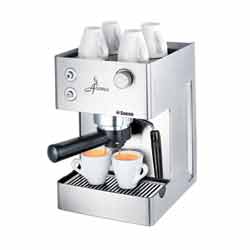
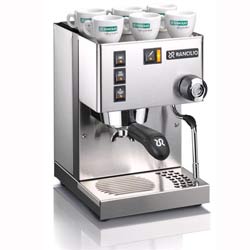
Semi-automatic machines are the most common type found in both homes and small cafés. They automate the water heating and pumping but let the user control the shot timing, grind size, dose, and tamp. That means you have full control over the final shot—but also the responsibility to get those variables right.
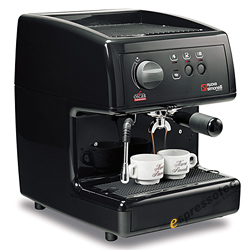
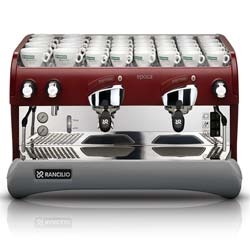
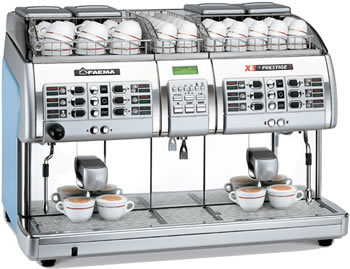
Both home and commercial semi-automatic machines exist. The main differences? Commercial models are larger, heat water faster, and can handle back-to-back shots more reliably. Some high-end home machines are capable enough to be used in small shops, especially models ranked among the top five for performance.
3. Fully Automatic (Super Automatic) Machines
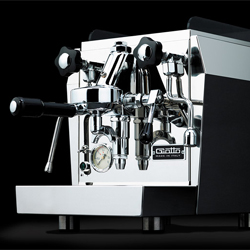
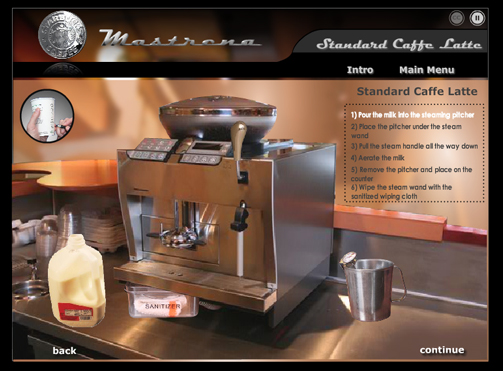
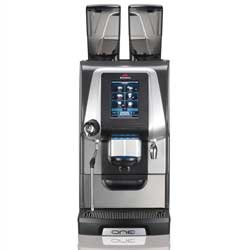
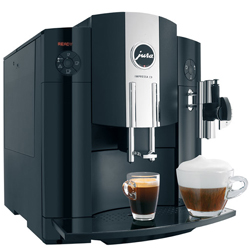
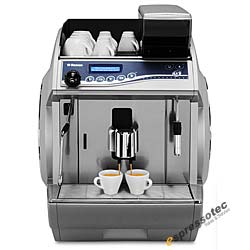
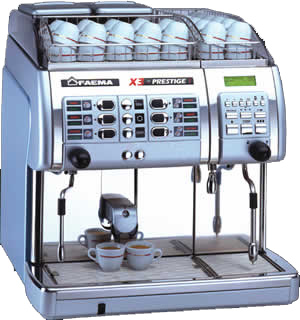
Super-automatic machines take care of everything: grinding, dosing, tamping, brewing, and sometimes even milk frothing. They’re what you’ll find in most Starbucks locations. While convenient, these machines prioritise consistency over craftsmanship. Every shot tastes largely the same, with little room for the barista (or you) to influence flavour through technique.
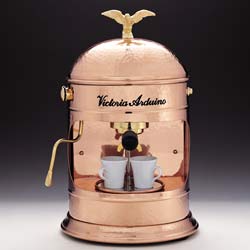
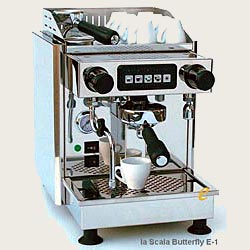
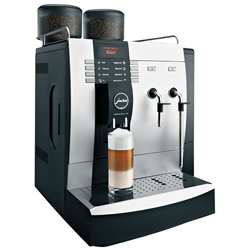
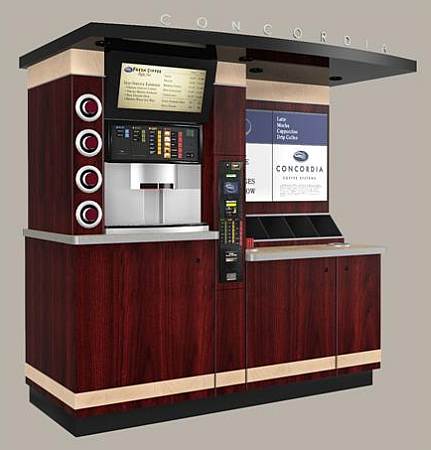
There are also commercial-grade super-automatic machines built for volume and speed. They combine quality and quantity, making them ideal for chains where efficiency matters more than customisation.
4. Pod-Ready (Simple Home) Machines
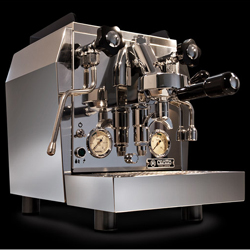
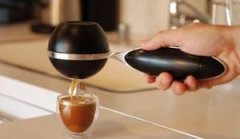
These entry-level machines use pre-packaged coffee pods or capsules rather than fresh grounds. They’re cheap, easy to use, and require minimal setup. Don’t underestimate them—some enthusiasts can pull surprisingly good shots using these machines, even rivaling basic commercial results.
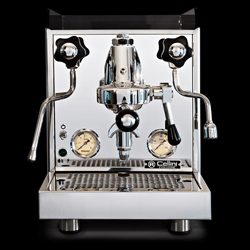
Ideal for casual drinkers or anyone wanting a quick caffeine fix without fuss.
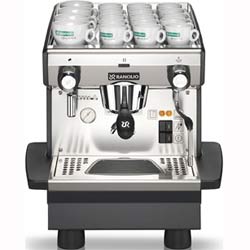
5. Luxury & High-End Mechanical Machines
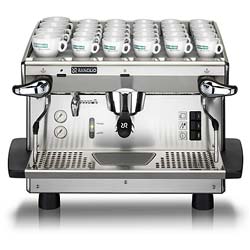
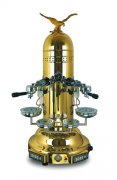
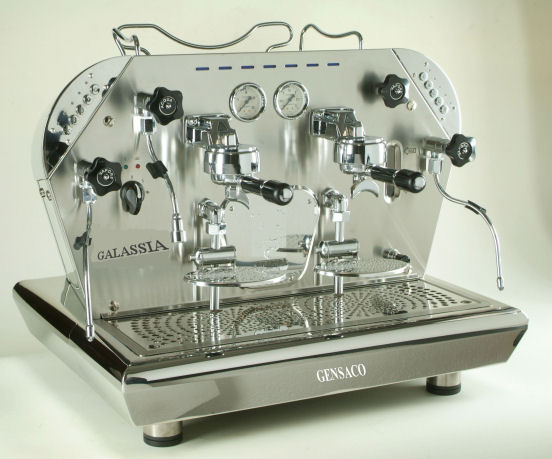
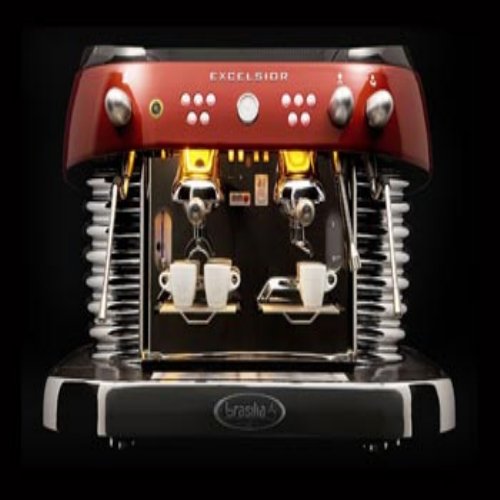
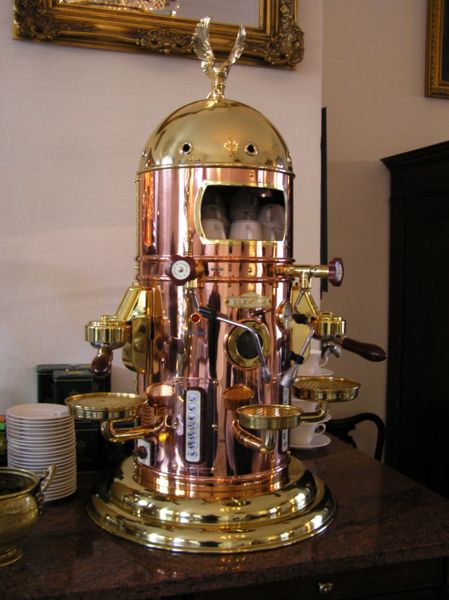
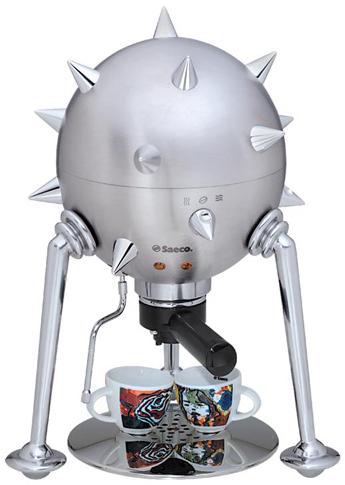
At the top end of the spectrum are ornate, highly-engineered machines that are as much about artistry and display as function. These are the most expensive, often custom-built, and feature intricate mechanical components. They’re not practical for everyday use—but they’re impressive to behold.
How Espresso Machines Work: The Role of Pressure & Heat
Most espresso machines—especially semi-automatic and automatic models—use a heat exchange system to produce the high-pressure, high-temperature water needed for espresso. This system allows the boiler to maintain steam pressure while also providing hot water for brewing. The result? That golden shot with a stable crema we all love.
What You’ll Need Alongside Your Machine
No matter which type you choose, pulling great espresso requires more than just the machine. Here’s the shortlist:
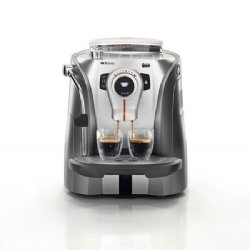
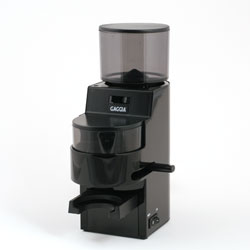
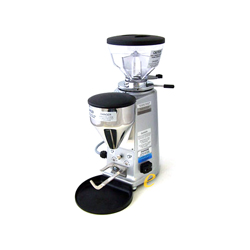
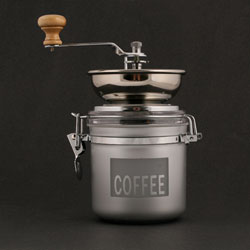
- A dedicated espresso grinder (not your blade grinder)
- An electronic scale for precise dose and yield
- A tamper for even compression
- A distribution tool (like a WDT tool or distributor)
- A shot glass or server to catch the espresso
- (Optional but helpful) A milk pitcher and steam wand if you’re making milk drinks
And let’s not forget the coffee beans. For home espresso, freshly roasted FrontStreet Coffee blends are a solid starting point. Their Classic Blend offers notes of butter, nuts, and dark chocolate with a thick crema. For single-origin fans, try their Ethiopia Humbera SOE for bright, fruity complexity.
FrontStreet Coffee Bean Recommendations for Home Espresso
Frequently Asked Questions
What’s the difference between a home and commercial espresso machine?
Home machines are built for personal use, with lower durability and smaller boilers. Commercial machines are designed for high-volume, continuous use with faster heating, sturdier build, and higher output capacity.
Which type of espresso machine is easiest for beginners?
Semi-automatic machines strike the best balance—they give you control without being overwhelming. Pod-ready machines are the easiest but offer the least flexibility.
Do I need a special grinder for espresso?
Yes. You need a burr grinder capable of fine, consistent grind sizes—preferably with settings adjustable for espresso (around 1:2 brew ratio, 20g in / 40g out in ~25–30 seconds).
What is a heat exchange system in espresso machines?
A heat exchange boiler heats water for brewing while also maintaining steam pressure for frothing. It allows continuous use without waiting for the boiler to reheat.
Are super-automatic machines worth it?
If you value speed and consistency over customisation, yes. They’re convenient and produce uniform shots, but you lose the ability to tweak variables for unique flavour profiles.
Can a high-quality home machine make café-level espresso?
Yes. With the right machine, grinder, technique, and fresh beans, many home setups can produce espresso on par with small cafés—especially semi-automatic models used by skilled home baristas.
Recommended FrontStreet Beans for Home Espresso
For home espresso lovers, FrontStreet Coffee’s Classic Blend delivers rich notes of butter, nuts, and dark chocolate with a thick, velvety crema—perfect for practicing your technique. If you prefer brighter, fruitier profiles, try their Ethiopia Humbera SOE, which highlights juicy acidity and berry-like brightness. Both beans are freshly roasted and ideal for dialling in your ideal shot. Freshly roasted within 5 days · Orders placed before 17:00 ship the same day · Next-day delivery across most of Guangdong Province.
FrontStreet Coffee is a long-established specialty coffee roaster in Guangzhou China, selling freshly roasted beans from its own farm in Yunnan as well as dozens of carefully selected single-origin beans from around the world for both pour-over and espresso. The products deliver consistently excellent quality and great value, with shipping within 24 hours. Guangzhou's FrontStreet Coffee shop is recommended by many coffee lovers, and the beans are now available online at the Tmall 。
Important Notice :
前街咖啡 FrontStreet Coffee has moved to new addredd:
FrontStreet Coffee Address: 315,Donghua East Road,GuangZhou
Tel:020 38364473