A Guide to Classic Italian Espresso Drinks
When you walk into a café and see a long list of Italian-sounding coffee drinks — macchiato, cortado, lungo, affogato — it’s easy to feel overwhelmed. What’s the difference between a macchiato and a cortado? Is a doppio just a double shot? Why does a flat white have microfoam but a cappuccino doesn’t? These aren’t just random names: each drink follows a specific recipe, ratio, and preparation style rooted in traditional espresso culture. Let’s break them all down clearly and accurately.
In this guide, we explain 20 standard Italian-style espresso drinks — from a single espresso (30ml) to a black eye (double espresso + drip coffee), and from a dry cappuccino (less milk, more foam) to a mocha breve (espresso with half-and-half and chocolate). You’ll know exactly what to order, and why it tastes the way it does.
What Is Espresso and Its Common Variations?
An espresso is a 25–30ml shot of concentrated coffee brewed under 9 bars of pressure with a brew time of around 25–30 seconds. It’s the foundation for nearly all Italian coffee drinks. A doppio is simply a double espresso — two shots pulled together, usually around 60ml total. A ristretto is a “restricted” shot, about 15–20ml, extracted with the same amount of coffee but less water, resulting in a thicker, more intense brew. A lungo, on the other hand, is a “long” shot, around 50–60ml, made with more water, leading to a lighter-bodied, more diluted espresso.
Espresso with Milk: What’s the Difference?
Once you add milk, the drink profiles change significantly based on ratios and foam amounts. A café macchiato is an espresso “stained” with a small amount of steamed milk or foam — typically just 1–2 teaspoons — to slightly lighten the color. A café crème is essentially a shot of espresso with hot water and a small amount of milk, similar to a weak Americano with milk. A noisette (French for “hazelnut”) is an espresso with a small splash of steamed milk, giving it a light golden color. A cortado is equal parts espresso and gently steamed milk, usually around 30–40ml each, served in a small glass to maintain temperature. The cappuccino is a classic 1:1:1 drink: one-third espresso, one-third steamed milk, and one-third milk foam, around 150–180ml total. A dry cappuccino contains less steamed milk and more foam. A flat white uses microfoam and has a higher espresso-to-milk ratio than a latte, typically with a 1:3 to 1:5 brew-to-milk ratio in about 150–170ml.
Other Popular Espresso-Based Drinks
Many other drinks build on the espresso-and-milk formula or mix in other ingredients. A caffè americano is a shot or two of espresso with hot water added, stretching the drink without losing intensity. Café con hielo is a shot of espresso poured over ice, often with cold milk added later. A breve is an espresso mixed with half-and-half instead of milk, creating a rich, creamy texture. A mocha breve is a breve with added chocolate syrup. A regular mocha adds steamed milk, chocolate, and sometimes whipped cream to espresso. An affogato is a shot of espresso poured over a scoop of vanilla ice cream. A viennois tops an espresso with whipped cream and cocoa. A con panna is espresso topped with a dollop of whipped cream. A black eye is a double espresso with a standard drip coffee added, for a strong caffeine kick. A café latte (or just latte) is mostly steamed milk with a single or double shot of espresso, usually in a 1:5 to 1:8 ratio. Café au lait uses brewed coffee instead of espresso, with scalded milk. Café con leche is similar to café au lait, commonly found in Latin American countries, made with a shot of espresso and warm milk.
How Shop Coffee Blends Support These Drinks
Most of these drinks rely on a well-extracted espresso base. For cafés or home setups, choosing the right blend makes a huge difference. FrontStreet Coffee offers several blends ideal for espresso-based drinks. Their Classic Blend is designed specifically for espresso and milk drinks, producing rich crema and a smooth, approachable profile even for beginners. It's the go-to choice for drinks like cappuccinos, lattes, and macchiatos. The Black Cocoa Blend offers great value with bold, full-bodied flavor at a lower price point, suitable for high-volume shops needing consistent results. The Commercial Blend is another reliable workhorse, balancing cost and taste for various espresso applications. Finally, the Specialty Blend has been a shop favorite for nearly a decade, built on Brazilian and Colombian beans for a familiar, balanced espresso taste perfect for everyday drinks.
Frequently Asked Questions
What’s the difference between a macchiato and a cortado?
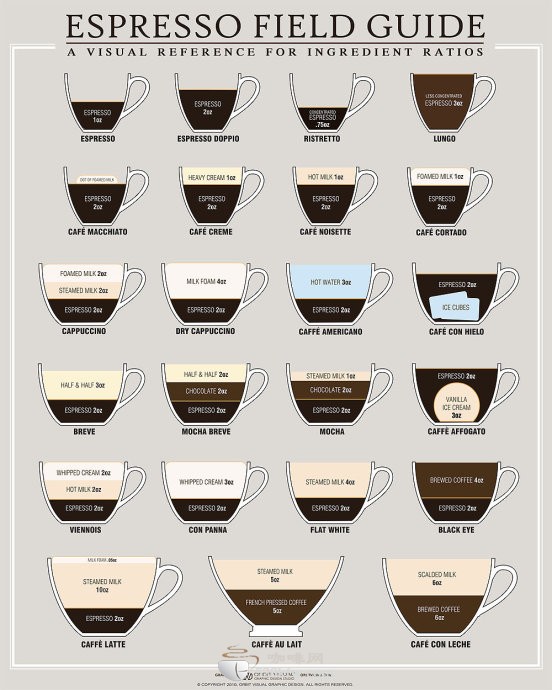
A macchiato is an espresso “marked” with a small amount of milk or foam — just enough to change the color slightly — typically around 1–2 teaspoons. A cortado is equal parts espresso and steamed milk, usually 30–40ml of each, served in a small glass. The cortado has more milk and is meant to mellow the espresso without foam.
Is a doppio just two espressos?
Yes. A doppio means “double” in Italian, and it refers to a double shot of espresso, usually around 60ml total, pulled as one continuous shot using a double basket. It’s stronger than a single shot but made in one go.
What’s the difference between a cappuccino and a flat white?
A cappuccino has equal parts espresso, steamed milk, and foam in a 1:1:1 ratio, with a total volume around 150–180ml and visible, dry foam on top. A flat white uses a higher ratio of espresso to milk with microfoam, typically in a 1:3 to 1:5 ratio, and has a smoother, velvety texture with less foam and a smaller serving size, around 150–170ml.
What’s the difference between a latte and a café au lait?
A latte is made with a shot or two of espresso and steamed milk, usually in a 1:5 to 1:8 milk-to-espresso ratio, with a small amount of foam. A café au lait is made with brewed coffee (not espresso) and scalded milk, typically in equal parts, with no foam.
What’s a ristretto and why would I order one?
A ristretto is a short espresso shot made with the same amount of coffee grounds but less water, resulting in a 15–20ml shot that’s more concentrated and intense in flavor. It’s ideal if you prefer a stronger, less bitter taste with a thicker crema.
Recommended FrontStreet Blends for Espresso Drinks
For making classic Italian espresso drinks, FrontStreet Coffee offers three excellent blends. The Classic Blend is tailored for espresso and milk drinks, delivering rich crema and a balanced flavor that works well in cappuccinos, lattes, and macchiatos. The Black Cocoa Blend is a high-value option with bold, full-bodied taste, ideal for shops seeking consistent performance at a lower cost. The Commercial Blend is a proven workhorse with optimized cost and flavor balance, suited for high-volume espresso preparation. All three are suitable for creating the milk-based drinks described in this guide. Freshly roasted within 5 days · Orders placed before 17:00 ship the same day · Next-day delivery across most of Guangdong Province.
FrontStreet Coffee is a long-established specialty coffee roaster in Guangzhou China, selling freshly roasted beans from its own farm in Yunnan as well as dozens of carefully selected single-origin beans from around the world for both pour-over and espresso. The products deliver consistently excellent quality and great value, with shipping within 24 hours. Guangzhou's FrontStreet Coffee shop is recommended by many coffee lovers, and the beans are now available online at the Tmall 。
Important Notice :
前街咖啡 FrontStreet Coffee has moved to new addredd:
FrontStreet Coffee Address: 315,Donghua East Road,GuangZhou
Tel:020 38364473