
Coffee Knowledge
Latest articles, industry insights and brewing guides

Inhalable Coffee: Suck Powder Directly into Your Mouth
An inhalable coffee stick delivers 100mg of coffee powder per tube—equivalent to one espresso shot—developed by Harvard scientist David Edwards and chef Thierry Marx.
Yellow Sugar vs White Sugar in Coffee: What’s the Difference?
Yellow sugar adds slight caramel and molasses tones; white sugar delivers pure sweetness. Learn how each affects your cup.
How Coffee Changed the World Beyond Just Taste
Coffee isn't just a drink — it shaped revolutions, industries, and global politics. Discover how this bean influenced history worldwide.
How Coffee Beans Changed World History
From heirs renouncing fortunes to presidents falling, discover how coffee shaped global politics and revolutions.
What LAVAZZA Coffee Capsules Really Changed About Specialty Coffee
LAVAZZA’s coffee capsules preserve freshness for 18 months using nitrogen-sealed packaging and over a century of roasting expertise.

Why Colombia Is the World’s Largest Washed Coffee Exporter
Colombia exports more washed Arabica beans than any other country. Learn why its high-altitude, hand-picked, water-processed coffee leads global quality.
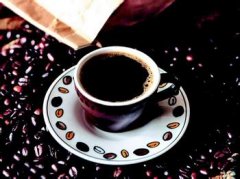
The Starbucks Siren Logo: Origins and Meaning
Learn who the woman on your Starbucks cup is, why she’s there, and how the iconic logo evolved since 1971.

Coffee Drinking Etiquette: Don’t Use a Spoon to Taste Your Brew
Avoid common coffee drinking mistakes like scooping coffee with a spoon or drinking cappuccino without stirring. Learn proper etiquette for tasting and handling coffee.

What Is Blue Mountain Coffee and Why Is It Special?
Learn what makes Jamaica Blue Mountain Coffee truly unique—from strict certification rules to flavor balance and brewing methods.

How to Pair Coffee with Meals: Flavor Matching Guide
Learn which coffee flavors best match breakfast, desserts, and savory dishes—with specific roast and origin recommendations for every course.
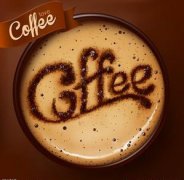
Espresso Has Less Caffeine Than Drip Coffee
A standard drip coffee contains 115mg of caffeine, while espresso and percolator coffee have around 80mg. Find out how much is really in your cup.

The Difference Between Coffee Aroma and Flavor
Learn how coffee aroma (smell) and flavor (taste) are sensed differently, their chemical origins, and why both matter in your cup.
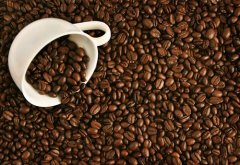
Common Types of Coffee Served in Cafés
Learn the differences between black coffee, cappuccino, latte, mocha, and more—along with standard ratios and preparation basics.
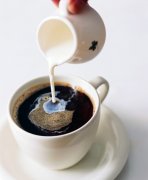
What’s Really in Your Cup? Key Coffee Chemicals Explained
Explore the major chemical compounds in coffee — caffeine, tannins, fats, sugars, and minerals — and how they shape flavor, aroma, and effects.
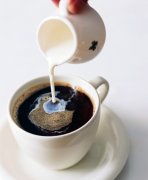
How to Really Taste Coffee in a Cafe
Tasting coffee isn’t just drinking it — learn the five key flavor elements that define true coffee appreciation, straight from a cafe patron’s perspective.
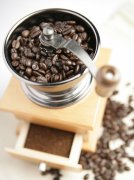
Why You Shouldn't Drink Coffee Scalding Hot
Coffee tastes best when slightly cooled—not piping hot. Peak flavor occurs around 61–62°C, and the ideal drinking window is within 10 minutes of brewing.

What Is 'Health Coffee'? Origins in Specialty Coffee Lore
Learn how 'health coffee'—linked to legend and Islamic tradition—was discovered, and how it became associated with wellness in early coffee culture.

How to Taste Black Coffee: The 3-Step Guide
Learn the right way to enjoy black coffee, add sugar, and use milk or creamer without masking specialty coffee’s true flavor.

How Americans Drink Coffee Without Rules
Americans drink more coffee than any other nation, often plain and strong—but preferences vary wildly across regions and cultures.

Why Some Coffee Tastes More Acidic Than Others
Learn why certain coffees taste more acidic, from bean origin and roast level to brewing methods that affect flavor.