
Coffee Knowledge
Latest articles, industry insights and brewing guides
What Is Coffee Cupping and How Is It Done
Learn how professional tasters assess coffee quality through standardized cupping. Discover the steps, tools, and sensory focus used in specialty coffee evaluation.
What Is the Standard Espresso Brew Ratio?
Learn the standard espresso brew ratio, how it evolved, and why 1:2 remains the baseline for balanced shots today.
What Is Lungo Coffee? Your Espresso Extraction Guide
Lungo is a long-extracted espresso made with double the water—about 50–60ml in 60 seconds. Here’s how it differs from ristretto, americano & more.
Choosing the Right Coffee Grinder for Better Extraction
Learn which coffee grinders preserve aroma best, why blade grinders fall short, and how grind consistency impacts your brew quality.
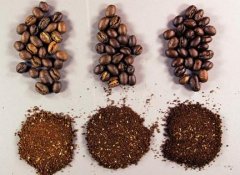
How to Grind Coffee for the Best Flavor
Learn the 4 key rules for grinding coffee, ideal grind sizes per brew method, and why freshness matters. Get expert tips for home grinders.
Worldwide Coffee Roast Preferences Explained
Explore how global cities shape roast styles—from Tokyo’s medium-dark to Vienna’s deep roast—and which beans thrive or suffer under different heat.
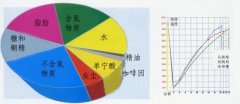
The 3 Stages of Coffee Roasting Explained
Learn how coffee is roasted through drying, first crack, and cooling stages, and how these affect flavor. Covers 8 roast levels from light to Italian.
What Is Coffee Roasting and How Does It Work?
Coffee roasting transforms green beans through heat, creating flavor, aroma, and color. Learn the science, stages, and key principles behind professional roasting.
Blend First or Roast First? The Coffee Roasting Relationship
Should you roast coffee beans individually then blend, or blend then roast? Here’s when each method works best for specialty blends.
Why Coffee Roasters Blend Different Origins
Blending coffee aims to improve taste, lower cost, or create a consistent signature flavor. Most single-origin coffees don’t need blending.
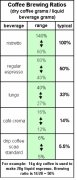
Understanding Coffee Brewing Ratios for Better Extraction
Learn the ideal coffee-to-water ratios for balanced extraction and how small changes affect your brew’s strength and flavor.

How to Prepare for a Professional Coffee Cupping Session
Learn what you need and how to conduct a coffee cupping session at home or in a professional setting with this step-by-step guide.
How to Tell If Your Coffee Beans Are Fresh
Learn how to assess coffee bean freshness by smell, sound, color, and taste. Spot stale or defective beans before brewing.
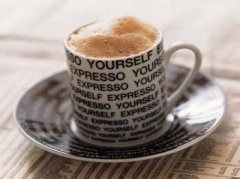
Five Ways to Brew Specialty Coffee at Home
Learn the five core coffee brewing methods—each with ideal temps, grind sizes, and ratios—for better home extractions.
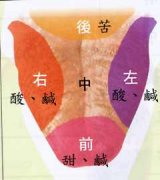
Tongue Taste Map for Coffee Tasting: Sweet, Bitter, Acid, Salty
Learn where sweetness, bitterness, acidity, and salt register on your tongue during coffee tasting. Discover the classic 'front sweet, back bitter, sides acid/salt' model.
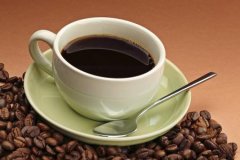
10 Surprising Facts About How We Taste Coffee
Taste isn’t just on the tongue—learn 10 key facts about flavor perception that affect how you taste coffee and food.
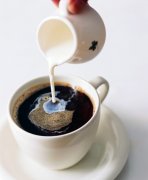
What Is a Pump in Specialty Coffee? Basics Explained
Learn what a pump is in coffee equipment, the three types, and how they function—key knowledge for home brewers and baristas.
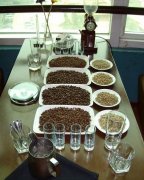
Why Coffee Cupping Matters for Specialty Coffee
Cupping lets you compare coffees fairly by removing brewing variables. Done right, it reveals each bean’s true flavor, body, and freshness.

How to Cup Coffee Like a Certified Q Grader
Learn the exact steps Q graders use to evaluate coffee: cup size, roast level, grind, water specs, and scoring aroma, flavor, and balance.

Al’s Rule: The Espresso Sweet Spot Formula
Al Critzer’s formula helps dial in espresso by adjusting time and yield. For 30ml in 30 seconds, add or subtract 1 sec per 5ml change.