
Coffee Knowledge
Latest articles, industry insights and brewing guides

How Caffeine and Language Learning Boost Brainpower
Research shows caffeine enhances learning, while bilingualism delays dementia. IQ isn’t fixed in teens—and supplements rarely help.
Women Who Don’t Exercise and Drink Coffee Often Need More Calcium
Over 10% of Taiwanese women aged 35–49 show early bone loss; lack of exercise, high coffee intake, and eating out raise fracture risk after 50.

How Coffee Grounds Remove Toxic Sewage Odors
Research shows coffee grounds can absorb hydrogen sulfide—the main cause of foul sewage smells—more effectively than activated carbon.
How Grind Size Affects Coffee Brewing Methods
Find out why grind size must match your brew method—from espresso to French press—and how grind affects extraction and flavor.
Where Coffee Originated: The Horn of Africa Discovery
The first coffee plant was discovered in the Horn of Africa, where tribes turned its fruit into stimulant food for warriors.
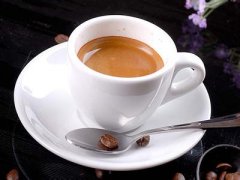
Coffee Drinking Etiquette: What to Avoid for a Better Cup
Learn why clarity matters in coffee and which common drinking habits—like using a spoon or improper holding—can ruin your experience.

Middle Eastern Coffee Culture: Origins and Traditions
Discover how coffee spread from Ethiopia and Yemen to the Middle East, shaping social life for over 500 years with unique rituals and traditions.

The 4 Coffee Species Used in Commercial Coffee
Discover the 4 main coffee species used globally in commercial production: Arabica, Robusta, Liberica, and Dewevrei. Learn their traits and origins.

How to Tell if a Cup of Coffee Is Good
A good cup of coffee should have no off-flavors, rich aromas, balanced taste, a full body, and a long-lasting finish.

Office Coffee Culture: How Professionals Make It Work
Why free office coffee and casual cafés help employees cope—and connect—under pressure. Here’s how workplace caffeine culture really functions.
Top 8 Instant Coffee Brands Worldwide
Discover the 8 most popular instant coffee brands globally, including Nestlé, Maxwell House, and UCC, with origins and flavor profiles.

The History and Science Behind Instant Coffee
Learn how instant coffee was invented, how it’s made today, and why its flavor differs from brewed coffee.
What Makes Danish Royal Copenhagen Coffee 'Specialty'?
Explore why Royal Copenhagen coffee is considered premium, from sourcing Brazilian beans to strict roasting standards, and what defines true specialty coffee.

Why Jamaican Blue Mountain Coffee Tastes So Pure
Discover the secrets behind the pure, balanced flavor of Jamaican Blue Mountain Coffee — from volcanic soil to strict production rules.

Hainan Coffee Has Just 1.12% Caffeine Content
Hainan-grown coffee contains just 1.12% caffeine—far lower than average—and offers a mild, fruity profile thanks to its unique terroir.

The Stories Behind Specialty Coffee Drink Names
Explore how classic coffee names like latte, cappuccino, and Mocha Java evolved—and why many originally referenced place names, not flavors.

How to Drink Espresso: The Three-Sip Method Explained
Learn how to properly enjoy espresso—sugar optional—with three distinct flavor layers. Here’s how many sips, why they matter, and the right way to stir.

How Much Caffeine Is Really in Your Drink?
Find exact caffeine levels in 6 common drinks — from Arabica coffee to cola — measured per 150cc serving. Know your intake.

Where Coffee’s Soul Begins: The Role of Origin in Specialty Beans
Explore how coffee origin shapes flavor, why processing methods vary, and how baristas balance science and intuition to craft great cups.
Why Coffee Has Over 800 Aromatic Compounds
Coffee contains over 800 aromatic compounds, more than most foods. These volatile substances shape flavor perception beyond basic tastes like sweet or bitter.