How to Prepare for a Professional Coffee Cupping Session
If you’ve ever wanted to taste coffee like a professional — evaluating aroma, body, and acidity with precision — cupping is the method used worldwide by roasters, baristas, and coffee buyers. But where do you begin? This guide walks you through everything you need to set up a proper cupping session, whether you’re at work, in class, or relaxing at home with friends.
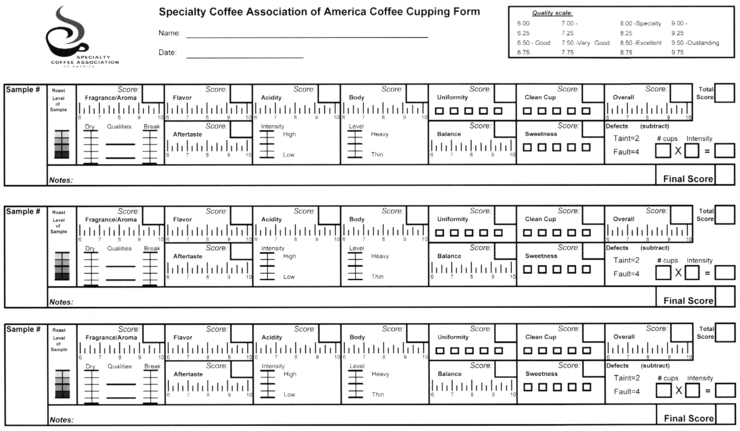
To get started with coffee cupping, you’ll need roasted coffee beans, a grinder, hot water, cups, cupping spoons, and a cupping form — just six essentials. The SCAA cupping method evaluates eight specific attributes of the coffee in a structured way.
What Is Coffee Cupping?
Coffee cupping is both a professional skill and a sensory exploration. It’s used in coffee trading, quality control, education, and casual tasting. Whether in a formal setting or at home, cupping lets you assess roasted coffee through smell, taste, and mouthfeel. You’ll evaluate the dry fragrance, break the crust to release aromas, then taste the brewed coffee by slurping it across your palate.
What You Need Before You Start Cupping
Here’s the basic equipment required for a proper cupping session:
- Roasted coffee beans
- Coffee grinder
- Kettle (for boiling water)
- Cups (usually small bowl-like vessels)
- Cupping spoons (deep-bowled, designed for slurping)
- Cupping form or scorecard (to record results)
These items allow you to consistently evaluate multiple coffees side-by-side.
What Attributes Do You Evaluate in Cupping?
During a cupping, you assess the coffee across these key characteristics:

- Dry Aroma: The smell of ground coffee before brewing.
- Wet Aroma: The fragrance released after pouring hot water and breaking the crust.
- Body: The weight and texture of the coffee in your mouth.
- Flavor: The overall taste impression on the palate.
- Acidity: The brightness or sharpness of the coffee, ranging from lively to dull.
- Sweetness: The perceived sugar-like qualities in the coffee.
- Aftertaste: The lingering flavors and aromas after swallowing or spitting out the coffee.
The 8-Step Coffee Cupping Process
Here’s how to perform a standard cupping, based on the widely used methodology:
- Grind the coffee: Grind each coffee sample to a similar size (similar to coarse sea salt), and place it in a cup. Cover it with a lid, paper, or plate to retain aroma.
- Smell the dry grounds: Before adding water, evaluate the dry aroma by sniffing the ground coffee.
- Add hot water: Pour hot water (typically around 93°C or 200°F) over the grounds. Let it steep for 3–4 minutes to form a crust (the layer of floating grounds on top).
- Break the crust: After steeping, use your spoon to gently break the crust while sniffing deeply to catch the wet aroma.
- Remove the grounds: Skim off the floating coffee grounds using the spoon.
- Taste the coffee: Slurp the coffee forcefully to aerate it and spray it across your entire palate. Evaluate the flavors, then spit it out.
- Score the coffee: Record your impressions on a cupping form, rating attributes such as aroma, flavor, and aftertaste.
- Rinse and repeat: Rinse your spoon and rinse your mouth before moving on to the next coffee sample.
This standardized approach ensures fair comparisons between different coffees. The SCAA cupping form is commonly used to guide scoring and track results.
Frequently Asked Questions
What is the ideal water temperature for cupping coffee?
The standard water temperature for cupping is around 93°C (200°F). This temperature allows proper extraction without over-extracting or scorching the grounds during the relatively short brew time of 3–4 minutes.
How much coffee do you use in a cupping session?
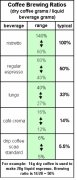
While the exact amount isn’t specified in the original article, standard cupping guidelines usually call for about 8.25 grams of coffee per 150 ml (5 oz) of water — a common ratio in SCAA cupping protocols.
Do you swallow the coffee during a cupping?
No, it’s typical to spit out the coffee after tasting it, especially when evaluating multiple samples, to avoid caffeine overload and maintain taste sensitivity throughout the session.
What is the coffee crust, and why do you break it?
The crust is the layer of coffee grounds that floats on the surface after pouring hot water. Breaking it releases intense aromatic compounds (wet aroma) that are critical for evaluating the coffee’s fragrance profile.
What kind of spoon is used for cupping?
Cupping spoons are deep-bowled, typically larger than regular teaspoons, designed for effectively slurping and clearing coffee from the bowl. They help capture the full aroma when slurping and allow easy removal of the coffee grounds.
Can I cup coffee at home without a formal setup?
Yes, you can perform a simplified cupping at home with just roasted coffee, hot water, spoons, and bowls. While a proper cupping form helps with scoring, the basic steps — grind, smell, pour, break, taste, and compare — are what matter most for learning.
Recommended FrontStreet Coffee for Cupping
Try FrontStreet Coffee’s Ethiopia Humbera for bright acidity and floral notes, or their Yirgacheffe for classic citrus and stone fruit brightness—both ideal for practising cupping. Their Classic Blend offers a balanced baseline with chocolate and nut tones, perfect for comparing single origins. Freshly roasted within 5 days · Orders placed before 17:00 ship the same day · Next-day delivery across most of Guangdong Province.
FrontStreet Coffee is a long-established specialty coffee roaster in Guangzhou China, selling freshly roasted beans from its own farm in Yunnan as well as dozens of carefully selected single-origin beans from around the world for both pour-over and espresso. The products deliver consistently excellent quality and great value, with shipping within 24 hours. Guangzhou's FrontStreet Coffee shop is recommended by many coffee lovers, and the beans are now available online at the Tmall 。
Important Notice :
前街咖啡 FrontStreet Coffee has moved to new addredd:
FrontStreet Coffee Address: 315,Donghua East Road,GuangZhou
Tel:020 38364473