Five Ways to Brew Specialty Coffee at Home
If you’ve ever wondered why your home-brewed coffee doesn’t taste like the cup from your favorite café, the answer often comes down to how the coffee was brewed—not just the beans. Every cup begins with ground coffee and hot water, but the path from bean to brew varies dramatically depending on the method. The right grind size, water temperature, and brew technique can turn good beans into a great cup—or ruin them entirely.
There are five fundamental ways to brew coffee: immersion (like French press), percolation (like pour over), pressure (like espresso), decoction (like cowboy coffee), and cold water extraction (like ice drip). Each method extracts flavors differently based on contact time, agitation, and temperature. Mastering these basics helps you pull better shots, pour cleaner cups, and understand why your favorite café tastes the way it does.
1. Immersion & Percolation: Gravity-Driven Brewing
Gravity-based methods let water flow through coffee grounds either once (percolation) or after soaking (immersion). The key difference? How long the water interacts with the coffee and how evenly it extracts flavor.
Pour Over (Percolation)
Often called “filter” or “drip” coffee in the West, pour over uses a filter (paper or metal) and gravity to pull hot water through ground coffee. The standard brew ratio is 15–30ml (1–2 tablespoons) of coffee grounds per 300ml (6 ounces) of water, though enthusiasts often use the higher end. Water temperature should stay between 90–96°C (194–205°F). FrontStreet Coffee recommends medium-fine grind for pour over, and common methods include V60, Kalita Wave, and Chemex.
French Press (Immersion)
This “plunger pot” brews by steeping coarse coffee grounds in hot water (93–96°C / 200–205°F) for 4–7 minutes, then pressing the grounds down with a metal filter. The result is a full-bodied cup, often richer than pour over. Many experts consider it the ideal home brewing method for balanced, full extraction. Grind size should be coarse to avoid over-extraction and sludge.
Vacuum Syphon (Siphon Pot)
A dramatic two-chamber brewer where vapor pressure pushes hot water into an upper globe filled with coffee grounds. After heating, removing the heat source creates a vacuum that pulls the brewed coffee back down through a filter. This method combines immersion and vacuum-driven percolation, producing a clean, aromatic cup. Water typically reaches 90–95°C (194–203°F), and grind size is medium-fine.
2. Pressure Brewing: Espresso & Moka Pot
Pressurized brewing forces hot water through tightly packed coffee grounds, creating a concentrated, flavorful shot. These methods rely on high pressure (8–9 bars for espresso) to extract quickly and intensely.
Espresso
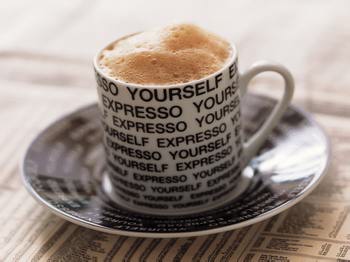
Made by pushing water at 80–96°C (176–205°F) through finely ground coffee under 8–9 atmospheres of pressure. A single shot is about 30ml (1 ounce) and features a crema (golden foam) on top. Espresso has a bold flavor and lower caffeine content per volume compared to other methods. It’s the base for lattes, cappuccinos, and more. Grind size must be very fine, and extraction time is typically 20–30 seconds.
Moka Pot (Stovetop Espresso)
This stovetop device brews coffee by boiling water in a lower chamber, forcing steam and water vapor through coffee grounds in a middle basket, and up into an upper chamber. Though not true espresso (it lacks 9-bar pressure), it produces a strong, crema-like (yellowish) brew with rich flavor. The grind is finer than pour over but coarser than espresso. Brewing happens around 100°C (212°F), and users should remove the pot from heat once 30–40ml fills the upper chamber to avoid bitterness. A cold cloth on the base helps stop extraction.
3. Decoction & Cold Water Methods: Extreme Brewing
These methods use longer contact times, lower temperatures, or boiling water to extract coffee. They’re less common today but still valued for unique results.
Turkish Coffee
A traditional method where ultra-fine coffee grounds are boiled with water (and often sugar and cardamom) in a small pot. The coffee is not filtered, so grounds settle at the bottom. Served unfiltered with a layer of foam and settled powder, it’s popular in the Middle East, North Africa, and the Balkans. Boiling extracts aggressively, so flavor is intense—and often muddy.
Cowboy Coffee
Made by boiling coarse coffee grounds directly in water in a pot, then letting the grounds settle before drinking. Still traditional in parts of Finland and Sweden, this method is simple but can be bitter due to over-extraction. No filter is used, and brewing happens at boiling point.
Ice Drip / Cold Brew (Ice Extraction)
This slow method uses melting ice water dripping through coffee grounds over many hours (often 4–12 hours). The extremely low temperature (0–4°C / 32–39°F) and slow extraction produce a smooth, low-acid cup with intense sweetness and clarity. Though costly and time-consuming, it’s highly prized for its clean, refined flavor. Grind size is medium-coarse, and water-to-coffee ratios vary but are higher than hot brews to account for slower extraction.
Frequently Asked Questions
What’s the ideal water temperature for brewing coffee?
For most methods, water should be between 90–96°C (194–205°F). Espresso uses 80–96°C (176–205°F), while cold brew or ice drip uses near-freezing water (0–4°C / 32–39°F). Water that’s too hot over-extracts bitter compounds; too cold under-extracts and results in flat flavor.
How does grind size affect different brewing methods?
Grind size must match the brew method: fine for espresso and moka pot (high pressure), medium-fine for pour over and siphon, coarse for French press and cold brew, and ultra-fine for Turkish coffee. The wrong grind leads to under- or over-extraction, affecting body, clarity, and bitterness.
Why shouldn’t you boil coffee or reheat it?
Boiling coffee (or keeping it heated) degrades aromas and flavors over time. Reheating worsens this effect, leading to a burnt or stale taste. Always brew fresh and serve immediately, or store in an airtight container if needed—but never reheat brewed coffee.
Which brewing method gives the strongest coffee?
Espresso and moka pot produce the most concentrated coffee by volume due to high pressure or steam extraction. Turkish coffee is also strong because it isn’t filtered and includes fine grounds. However, “strength” can mean either concentration or intensity—cold brew is less concentrated but often tastes richer due to full extraction.
Can I use any coffee beans for all brewing methods?
Not really. Lighter roasts often shine in pour over and siphon due to their delicate acidity and floral notes, while darker roasts suit espresso and French press with their bold body. Always match the bean’s roast level and processing style to the brew method for best results.
Recommended FrontStreet Beans for Home Brewing
For pour over and drip methods, try FrontStreet’s BrazilBourbon—medium roast with creamy texture, mild acidity, and notes of nut and caramel. For French press or immersion, the ColombiaSidra (Sidra) offers sweet complexity with tropical fruit and almond tones thanks to its double anaerobic fermentation. Looking for espresso? The EthiopiaYirgacheffeGedeb (Gedeb) delivers bright citrus, honey, and floral notes with a clean profile. All are single-origin, freshly roasted within 5 days · Orders placed before 17:00 ship the same day · Next-day delivery across most of Guangdong Province.
FrontStreet Coffee is a long-established specialty coffee roaster in Guangzhou China, selling freshly roasted beans from its own farm in Yunnan as well as dozens of carefully selected single-origin beans from around the world for both pour-over and espresso. The products deliver consistently excellent quality and great value, with shipping within 24 hours. Guangzhou's FrontStreet Coffee shop is recommended by many coffee lovers, and the beans are now available online at the Tmall 。
Important Notice :
前街咖啡 FrontStreet Coffee has moved to new addredd:
FrontStreet Coffee Address: 315,Donghua East Road,GuangZhou
Tel:020 38364473