
Specialty Coffee Beans
Latest articles, industry insights and brewing guides

Tanzania Kilimanjaro Coffee: Flavor & Profile Guide
Explore the bright, winey, and cocoa-toned profile of Tanzania’s Kilimanjaro AA coffee, grown near Africa’s highest volcano.
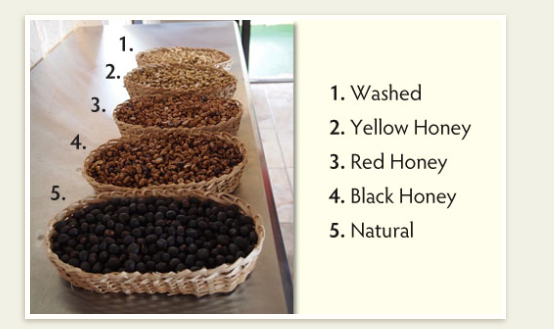
How Are Honey Processed Coffee Beans Graded?
Honey processed coffee beans from Costa Rica are graded yellow, red, or black based on drying time and light exposure.

What Makes Kenyan AA Coffee So Distinctive?
Kenyan AA coffee is known for its bright citrus acidity, layered flavors, and wine-like brightness. Learn why pros love it and what sets it apart.
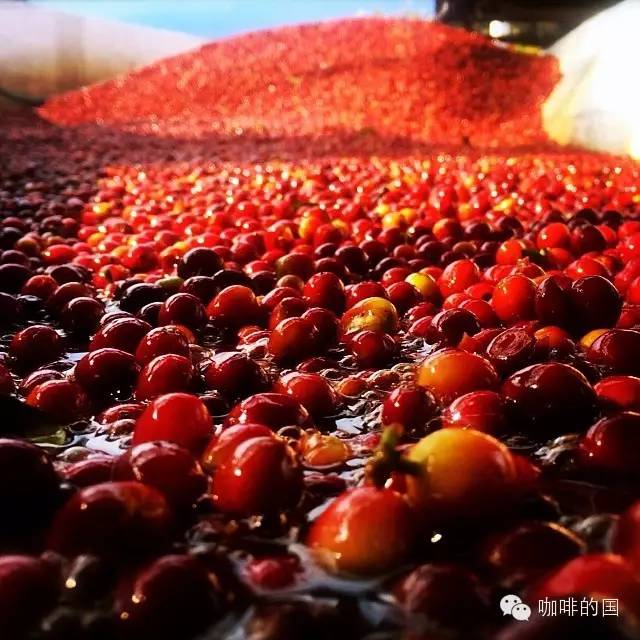
How Honey Process Works for Coffee Beans
Learn how honey processed coffee is made, why it creates unique sweetness and acidity, and the types like black, red, yellow, and white honey.
Natural Sun-Dried Coffee Process Explained
Learn how natural sun-dried processing preserves fruit flavors in coffee beans, with details on drying time, climate needs, and key steps.

What Is Antigua Coffee? Guatemala’s Smoky Specialty Bean
Antigua coffee from Guatemala is known for its rich spice, tobacco notes, and smoky finish. Learn why this volcanic-region bean is considered one of the world’s most distinctive.

How Mechanical Semi-Washed Processing Works for Coffee Beans
Mechanical semi-washed processing removes mucilage without fermentation. Learn how it saves water and works in humid climates.
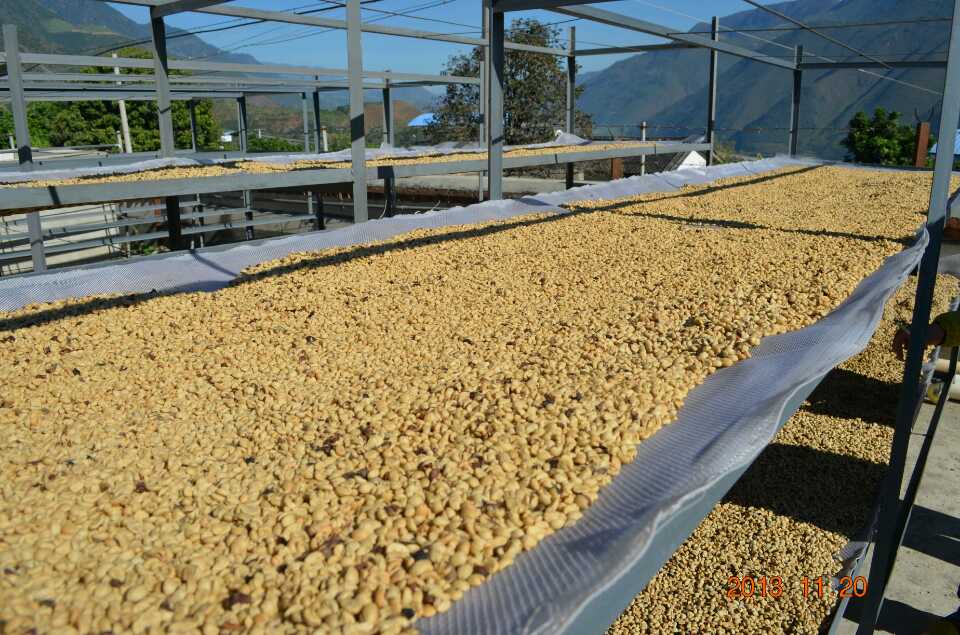
Brazilian Pulped Natural: How Semi-Washed Coffee Is Processed
Learn how Brazil’s pulped natural (semi-washed) method creates consistent, clean coffee with mechanical harvest and sun-dried mucilage.
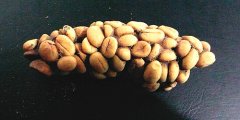
What Is Kopi Luwak Coffee and Why Is It Famous?
Kopi Luwak, or civet coffee, is made from beans eaten and excreted by the Asian palm civet. It costs hundreds per pound and has a unique, smooth profile.
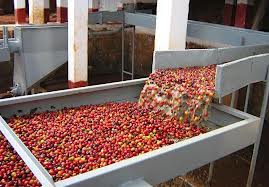
How Washed Process Creates Bright, Acidic Coffee
Washed coffee processing enhances acidity and clarity. Learn how water, fermentation, and careful milling shape the cleanest specialty coffee profile.
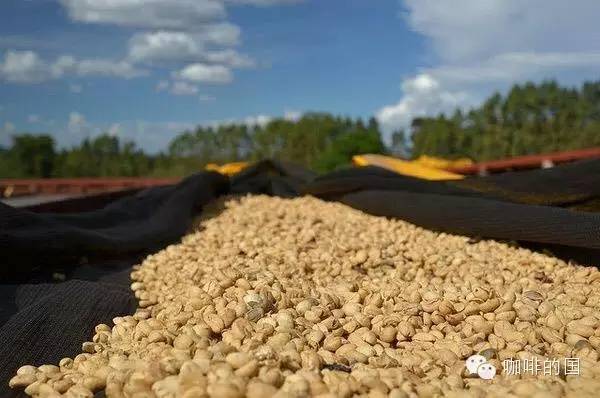
How Natural Process Coffee Is Made: Full Sun Drying Explained
Learn how natural or sun-dried coffee is processed, from ripe cherry selection to 12% moisture drying—typically over 2–4 weeks in the sun.

What Is Java Coffee? Indonesia’s Classic Island Bean
Java coffee is a historic Indonesian single origin known for its full body, mild acidity, and nutty finish. Learn what makes it distinct among island-grown beans.
Ethiopian Specialty Coffee Origins and Processing Methods
Discover Ethiopia’s six key coffee-growing regions, processing styles, and how they shape world-renowned cup profiles.

What Is Jamaican Blue Mountain Coffee?
Jamaican Blue Mountain is a rare, high-altitude coffee known for balanced flavor. Learn what makes it special, its flavor profile, and why it’s so expensive.
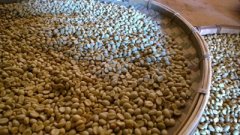
Vietnam and Yunnan Specialty Coffee: Flavors and Characteristics
Vietnam favors Robusta for its bold, low-acid profile. Yunnan’s Arabica is bright and balanced, with fruity notes and chocolate sweetness. Discover their distinct traits.

What Makes Yunnan Coffee Unique? Specialty Flavor Explained
Discover why Yunnan-grown coffee is smooth, fruity, and low in bitterness—with historical roots going back to 1892 and key growing zones mapped.

What Is Cuban Crystal Mountain Coffee?
Cuban Crystal Mountain coffee comes from the high-altitude Central Mountains of Cuba, noted for large bright green beans and a clean, sweet island profile.

Tanzanian Kilimanjaro Coffee: Flavor & Profile Guide
Explore the flavor, origin, and grade of Tanzanian Kilimanjaro coffee, known for bright acidity and winey fruit notes, grown near Africa’s highest peak.
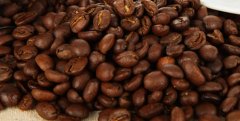
What Makes Guatemalan Coffee Special? The Antigua Profile
Explore the bold, balanced flavors of Guatemalan coffee—especially Antigua’s classic profile—with spicy notes, balanced acidity, and a signature smoky edge.

What Makes Geisha Coffee Unique in Flavor and Origin
Learn why Panamanian Geisha stands out with its tea-like aroma, tropical fruit flavors, and unique growing origins from Ethiopia to Boquete.