Wednesday, September 9, 2026 · Leading English Source for Global Coffee Industry

Specialty Coffee Beans

Latest articles, industry insights and brewing guides
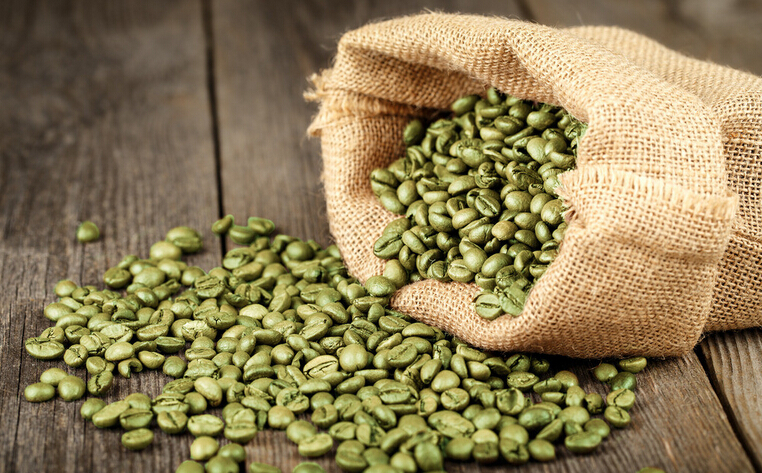
How to choose coffee beans, how to choose fresh coffee beans, how to choose raw beans

How to choose coffee beans, how to choose fresh coffee beans, how to choose raw beans

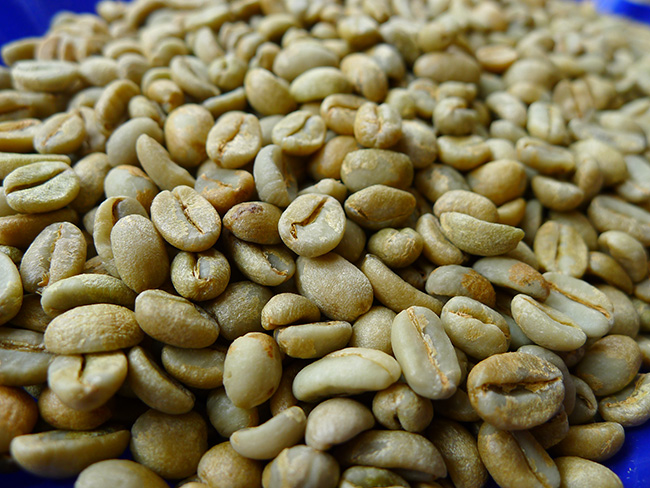
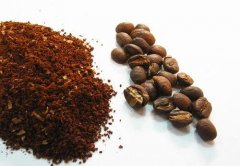
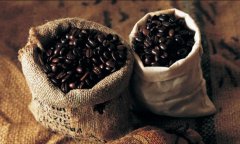
Choose fresh coffee beans. When buying, pay attention to whether the color of the beans and the size of the particles are the same. Good coffee beans are shiny and have a strong aroma without being mixed with peculiar smell. No matter what kind of coffee beans, freshness is an important factor affecting the quality. When shopping, grab one or two coffee beans and chew them in your mouth with crisp sound (indicating that the coffee is not damp) and teeth and cheeks.

The treatment of coffee beans how to wash coffee beans

The treatment of coffee beans how to wash coffee beans

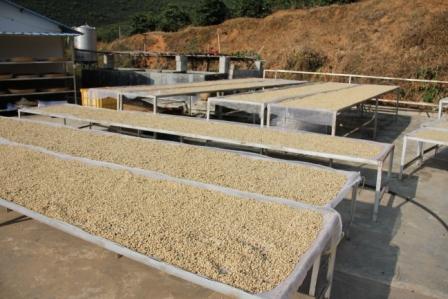
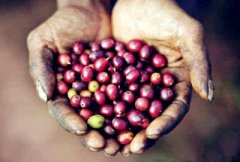
When the coffee berries are ripe, they are usually harvested by manual picking. In some places, only the fully ripe berries are picked, while others are all picked from a single branch. The former is called handpicked and the latter is called strip-picking. Because the ripening time of coffee berries is not consistent, the harvest is likely to be divided into several stages.

The cultivation of coffee beans the history of coffee beans the cultivation of raw coffee beans

The cultivation of coffee beans the history of coffee beans the cultivation of raw coffee beans

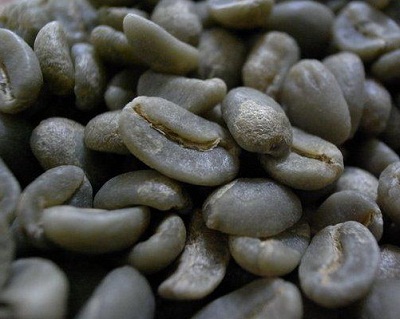
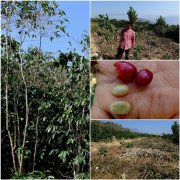
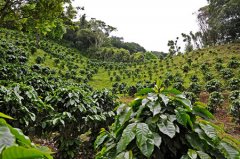
Coffee raw beans are the seeds of coffee trees. It is the wealth hidden in coffee cherries (coffee berries) that people usually call coffee cherries. They are mistakenly called beans because they are similar to the beans we usually see, but they are actually the seeds of coffee. There are usually two flat oval coffee beans in the coffee berries, and a small number of coffee berries

Do raw coffee beans need to be washed?

Do raw coffee beans need to be washed?

Do raw coffee beans really need to be washed? Good coffee beans are bagged and transported everywhere, this method may not be very clean, and even some monks have water or mud stains on the surface. If you carefully examine the microbes on the surface of raw beans that are invisible to the naked eye, you will find that there are about 10,000 bacteria on every gram of raw coffee beans. However, this does not mean that raw coffee beans must be washed.

A brief introduction to civet boutique coffee the taste of civet coffee the unique flavor of civet coffee

A brief introduction to civet boutique coffee the taste of civet coffee the unique flavor of civet coffee

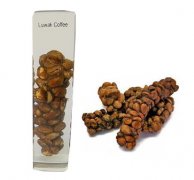
Civet Coffee (Kopi Luwak), native to Indonesia. It is one of the most expensive coffee in the world, with a price of several hundred dollars per pound. It is extracted from the feces of the civet and processed. The civet eats the ripe coffee fruit and is excreted through the digestive system. After it is fermented through the stomach, the coffee produced has a special taste and has become a hot spot in the international market.

Varieties of Yunnan Fine Coffee beans Classification of Yunnan Fine Coffee quality of Yunnan Coffee

Varieties of Yunnan Fine Coffee beans Classification of Yunnan Fine Coffee quality of Yunnan Coffee

When it comes to Yunnan coffee, perhaps the most common word we hear is Yunnan small-grain coffee, and most of them will say that Yunnan small-grain coffee is fragrant but not bitter, strong but not strong, so many people classify the varieties of Yunnan coffee as small-grain species. naturally, the taste of Yunnan coffee is fragrant but not bitter, strong but not strong. Regardless of whether it is correct or not, if we explore it strictly, there is a name at present.

El Salvador boutique coffee introduces the characteristics of El Salvador boutique coffee mouth

El Salvador boutique coffee introduces the characteristics of El Salvador boutique coffee mouth

Salvadoran coffee refers to the coffee produced in the small South American country of El Salvador, where the coffee body is light, aromatic, pure, slightly sour, the flavor is extremely balanced, is a specialty of Central America. With sour, bitter, sweet and other taste characteristics, the best baking degree is moderate, deep. Coffee Origin in the early 1990s, guerrilla warfare greatly damaged the country's national economy and made coffee production.

Rwanda boutique coffee introduces the characteristics of Rwanda coffee the taste of Rwanda coffee

Rwanda boutique coffee introduces the characteristics of Rwanda coffee the taste of Rwanda coffee

Since the 1920s, Arabica coffee grown in Rwanda has been famous for its unique fruit sweetness and rich grass aroma. In recent years, the Rwandan government has taken positive measures to vigorously promote coffee production, set up coffee production cooperatives in various places, and give technical guidance and financial support to farmers, so that coffee production has made considerable progress. Rwandan coffee

The growth of Yunnan Fine Coffee in Dehong, Baoshan, Lincang, Pu'er and other areas

The growth of Yunnan Fine Coffee in Dehong, Baoshan, Lincang, Pu'er and other areas

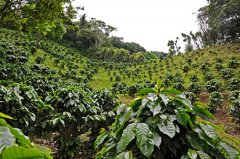
The western and southern parts of Yunnan Province are located between the 15th latitude and the Tropic of Cancer. Most areas are 1000-2000 meters above sea level. The topography is dominated by mountains and slopes. Here, the land is fertile, the sunshine is sufficient, the rainfall is abundant, and the temperature difference between day and night is large. The unique natural conditions form the special taste of Yunnan small-grain coffee, which is rich but not bitter, fragrant but not strong, slightly fruity. Pu'er in the south and west of Yunnan

Boutique coffee beans from Tanzania introduce the characteristics of Tanzanian coffee

Boutique coffee beans from Tanzania introduce the characteristics of Tanzanian coffee

Due to political instability and rampant diseases and insect pests, the coffee industry in Tanzania has been damaged, leading to a decline in the overall level of coffee and instability in quality, which in turn lead to lower prices, which are usually the result of a further decline in the coffee industry. What's more, it is estimated that more than 12% of the Arabica coffee grown in northern Tanzania from 1969 to 1985 was smuggled.

The growing environment of Blue Mountain Coffee in the producing area of Blue Mountain Coffee where does Blue Mountain Coffee come from?

The growing environment of Blue Mountain Coffee in the producing area of Blue Mountain Coffee where does Blue Mountain Coffee come from?

Jamaica Blue Mountain Coffee is the most superior coffee in the world. Jamaica's weather, geological structure and topography provide an ideal place. The ridge that runs through Jamaica extends to the eastern part of the island, with the Blue Mountains rising to more than 2100 meters. Cool weather, foggy, frequent precipitation, use this rich soil Rain Water to reconcile. Here, the mixed planting method is used to plant coffee trees to make

The history of boutique coffee beans in the Blue Mountains of Jamaica how did Blue Mountain Coffee come into being? Blue mountain coffee

The history of boutique coffee beans in the Blue Mountains of Jamaica how did Blue Mountain Coffee come into being? Blue mountain coffee

Blue Mountain Coffee refers to coffee brewed from beans from the Blue Mountains of Jamaica. According to the grade, it is divided into Jamaica Blue Mountain Coffee and Jamaican Alpine Coffee. The Blue Mountains are located in the east of the island of Jamaica (Jamaica). Because the mountain is surrounded by the Caribbean Sea, whenever the weather is clear, the sun shines directly on the blue sea, and the peaks reflect the bright blue light of the sea.

The flavor of Ethiopian sun Yega Coffee Fine Coffee the characteristics of Yega Snow Coffee

The flavor of Ethiopian sun Yega Coffee Fine Coffee the characteristics of Yega Snow Coffee

It has been a wetland since ancient times, and the ancient saying [yirga] means "settle down], and [cheffe] means [wetland], so [Yega Xuefen] means [let us settle down in this wetland]. It is one of the coffee producing areas with the highest average elevation in Ethiopia. Yejia snow caffeine is washed with water, but there are also a few excellent beans engraved in the sun to enhance the charming fruit aroma.

Introduction to boutique coffee-- Hawaiian Kona Coffee introduction to Kona Coffee style

Introduction to boutique coffee-- Hawaiian Kona Coffee introduction to Kona Coffee style

Kona coffee beans produced in Hawaii are the most beautiful coffee beans in the world. they are extremely full and shiny. Kona coffee beans are evenly shaped, have a strong sour and sweet taste, and taste wet and smooth. Because it grows on volcanoes, Hawaii's unique volcanic climate gives Kona coffee its unique aroma and high-density artificial farming, so each bean

Introduction of boutique coffee-- Kenyan boutique coffee Kenya AA grade coffee Kenyan coffee introduction

Introduction of boutique coffee-- Kenyan boutique coffee Kenya AA grade coffee Kenyan coffee introduction

Kenya AA, round beans, thick flesh, good heat permeability, high precision, French baking, rich and sweet taste, mellow thickness, good expansibility, aroma and sweetness are top grade. People in the coffee industry all think that Kenyan coffee is one of its favorite products because Kenyan coffee contains every feeling we want from a good cup of coffee. It has

Introduction to Fine Coffee-- Indonesia Mantenin Fine Coffee Manning Coffee unique Flavor

Introduction to Fine Coffee-- Indonesia Mantenin Fine Coffee Manning Coffee unique Flavor

Manning coffee is produced in Sumatra, Indonesia, Asia, also known as Sumatran coffee. Her flavor is very rich, fragrant, bitter, mellow, with a little sweetness. Most coffee lovers drink on their own, but it is also an indispensable variety for blending coffee. The palate is rich and solid, with a pleasant sour taste. The smell is mellow, the acidity is moderate, the sweetness is rich and very pleasant.

Introduction to boutique coffee-- Musk Coffee Coffee Musk Coffee

Introduction to boutique coffee-- Musk Coffee Coffee Musk Coffee

Kopi Luwak is produced by the feces of Indonesian coconut cats (a kind of civet) as raw materials, so it is called Kopi Luwak. This kind of animal mainly feeds on coffee beans. After completing fermentation in the coconut cat's stomach, it destroys proteins, produces short peptides and more free amino acids, reduces the bitterness of coffee, and then excretes feces as the main raw material. Because coffee beans cannot be digested, they will be excreted.

Introduction of Fine Coffee beans-- introduction to Java Fine Coffee

Introduction of Fine Coffee beans-- introduction to Java Fine Coffee

Java coffee is full-bodied and full-bodied, with clear, high-quality acidity, high balance, and sometimes nutty taste. In terms of appearance and quality, Java coffee is excellent, just like a woman's vaguely charming, charming and just right, memorable. Each caffeine variety is of different origin and has its own strong personality, such as masculine

Introduction of boutique coffee beans-- Yunnan coffee Yunnan coffee producing area Yunnan coffee introduction Yunnan coffee

Introduction of boutique coffee beans-- Yunnan coffee Yunnan coffee producing area Yunnan coffee introduction Yunnan coffee

The western and southern parts of Yunnan Province are located between the 15th latitude and the Tropic of Cancer. Most areas are 1000-2000 meters above sea level. The topography is dominated by mountains and slopes. Here, the land is fertile, the sunshine is sufficient, the rainfall is abundant, and the temperature difference between day and night is large. The unique natural conditions form the special taste of Yunnan small-grain coffee, which is rich but not bitter, fragrant but not strong, slightly fruity. Pu'er in the south and west of Yunnan

Introduction of boutique coffee beans-- introduction of Rose Summer Coffee

Introduction of boutique coffee beans-- introduction of Rose Summer Coffee

The species of Geisha was discovered in the Rose Summer Forest of Ethiopia in 1931 and sent to the Coffee Institute in Kenya; it was introduced to Uganda and Tanzania in 1936, in Costa Rica in 1953, and Panama was introduced in the 1970s by Francesca of Dongba Seven Farm Garden. Mr. Serraxin got the seeds from CATIE in Costa Rica and started growing Rosa Coffee because