
Specialty Coffee Beans
Latest articles, industry insights and brewing guides

Brazilian sweet coffee generally refers to coffee produced in Brazil.
Brazilian coffee generally refers to coffee produced in Brazil. There is a wide variety of Brazilian coffee, the vast majority of which are unwashed and sun-dried, classified according to the name of the state of origin and the port of transport. Brazil has 21 states and 17 states produce coffee, but four of them produce the largest, accounting for 98% of the country's total output. Brazilian coffee has a low sour taste, which goes well with coffee.
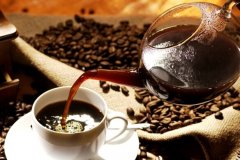
How the Internet Helps Most People Open a Coffee Shop
Discover how internet-driven models and community-focused spaces make independent coffee shop dreams achievable without traditional overhead.

20 Unexpected Uses for Coffee Beyond Drinking
From deodorizing your fridge to fertilizing plants, discover 20 practical household uses for coffee and coffee grounds.
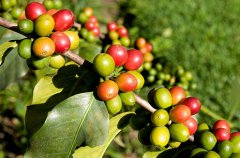
How Coffee Elevation Affects Flavor and Quality
Higher elevation slows coffee cherry ripening, increasing sugar and flavor complexity. Here’s how altitude shapes your cup.
How Coffee Cherries Become Your Morning Brew
From cherry to cup: discover how coffee beans develop inside the fruit, how they’re picked, processed, and roasted to bring out aroma and flavor.
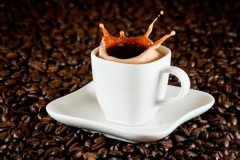
What Is Jamaica Blue Mountain Coffee?
Learn why Jamaica Blue Mountain coffee is rare, balanced, and sought after—with key facts on altitude, certification, and brewing.

Five Coffee Drinking Details You Should Know
Learn five essential coffee drinking tips, from your first sip to sugar and milk choices, to enhance your coffee experience.
Why Fermentation Matters in Washed Coffee Processing
Fermentation breaks down mucilage and improves coffee uniformity. Get the key facts on time, method, and avoiding over- or under-fermentation.
How Much Caffeine Is in a Cup of Coffee vs Tea?
A standard 120cc cup of coffee contains 60–100mg of caffeine—more than tea. Find out how coffee and tea compare and what that means for your daily intake.
The Story Behind Bali’s Unique Coffee Culture
Discover the origins of civet coffee and how Bali’s highland farms produce smooth, bold 'golden coffee' roasted at 350°C for export.

How Coffee Beans Are Graded: Altitude, Size, and Defects
Learn how coffee-producing countries classify beans by altitude, screen size, and defect rates — and why these standards shape global coffee quality.
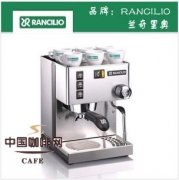
What Coffee Machine Should a Beginner Buy?
Beginner coffee makers should start with a siphon or moka pot under $100, or invest $400–$800 in a semi-auto like the Rancilio Silvia for better control.

What Should You Avoid Eating or Drinking with Coffee?
Learn which common foods and drinks interact negatively with coffee, including tea, calcium-rich items, and pregnancy-safe limits.

Basic Coffee Drinking Etiquette You Should Know
Learn how to hold a coffee cup properly, add sugar and milk, stir with a spoon, and handle the saucer without spilling or being rude.

The Four Most Common Coffee Drinks in Cafés
Learn the basics: espresso, Americano, latte, cappuccino, mocha, and macchiato—what they are, how they're made, and what makes each unique.

Why Your Brewed Coffee Looks Cloudy or Darker Than Expected
Cloudy or overly dark coffee often results from stale beans, poor roast quality, or over-extraction. Here’s how to identify and fix those issues.

What Is Hand Sorting Coffee Beans and Why It Matters
Hand sorting removes defective coffee beans to protect cup quality. Up to 40% of raw beans may be flawed, especially in natural processed lots.
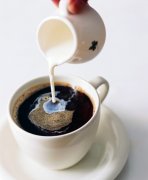
How to Pick Good Coffee Beans and Avoid Bad Ones
Learn what makes a high-quality green coffee bean, why bean uniformity matters in roasting, and how to spot inconsistent or defective lots.
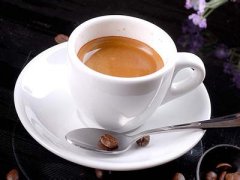
Bali’s Golden Rabbit Coffee: From Civet to Highlands
Learn how Bali’s golden coffee is made, from civet-sourced beans to highland-grown Mandheling-style varieties, with processing details and flavor notes.
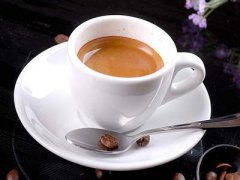
What Is a Fully Automatic Coffee Machine?
A fully automatic coffee machine grinds, tamps, and brews espresso without manual steps. Some models also steam and froth milk. They’re fast, but limited in customization.