How Coffee Cherries Become Your Morning Brew
You sip your morning coffee every day—but have you ever wondered what the coffee bean looked like before it was roasted? Most coffee drinkers have never seen a real coffee cherry, let alone held a freshly picked one. Let’s take a closer look at the journey from fruit to favorite brew.
The coffee bean is actually the seed inside a small, cherry-like fruit that grows on coffee trees—mainly in tropical regions near the equator. Each coffee cherry typically holds two seeds, which are separated, processed, and roasted to become the beans we grind and brew.
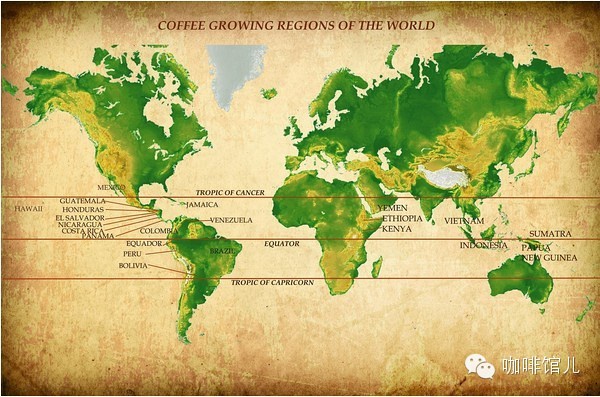
Where Coffee Grows: The Coffee Belt
Nearly all the world’s coffee is grown in the “Coffee Belt,” the tropical region between the Tropic of Cancer and the Tropic of Capricorn. This zone offers the ideal climate: consistent sunlight, temperatures averaging above 20 °C (68 °F), and plenty of rainfall all year round. These conditions help coffee plants thrive and produce high-quality cherries.
What Does a Coffee Cherry Look Like?
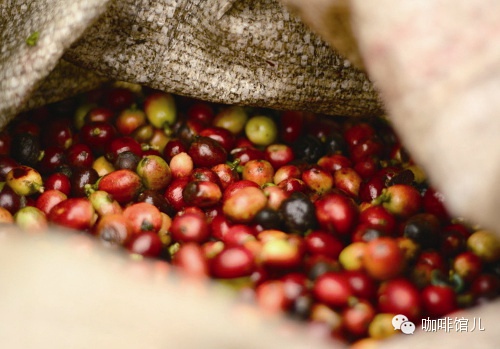
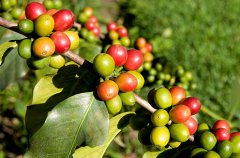
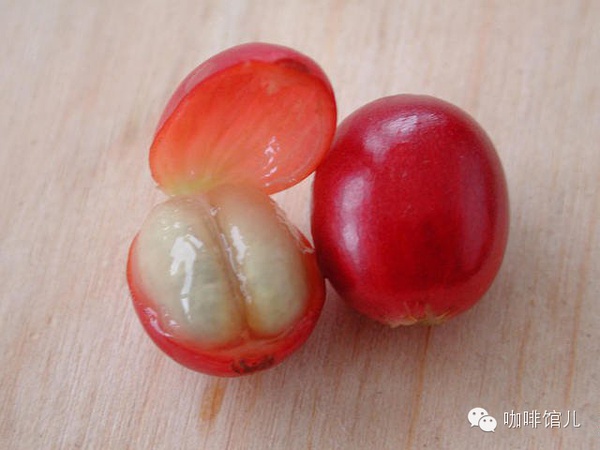
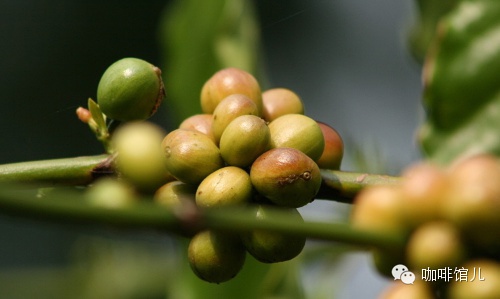
A coffee cherry is small—about the size of a standard cherry—and turns bright red when ripe (with some specialty varieties ripening yellow or even other colors). Though it looks like a fruit you could pluck and eat, coffee cherries are far more labor-intensive to harvest. Unlike in an orchard, you can’t just shake a coffee tree and collect your crop.
How Coffee Cherries Are Harvested
Most high-quality coffee is handpicked. That’s because each cherry ripens at a different rate—even on the same branch. Pickers often make multiple passes through the same trees to ensure only fully ripe cherries are collected. In places like Brazil, mechanical harvesters are used, but these tend to gather underripe and overripe fruits along with the good ones, making careful sorting essential afterward.
Anatomy of the Coffee Cherry
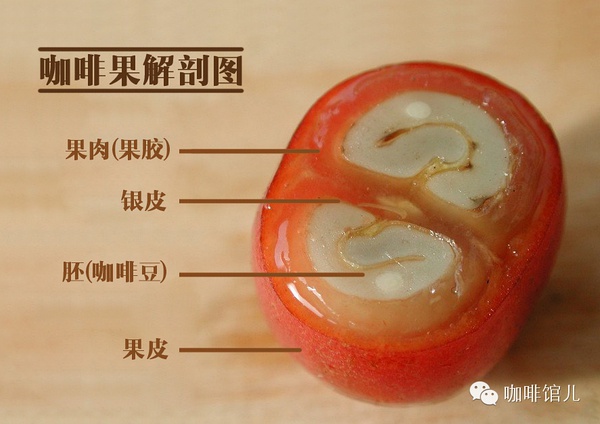
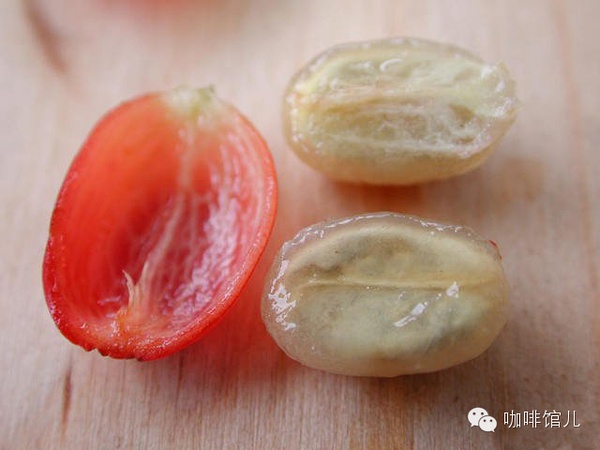
Slice open a ripe coffee cherry, and you’ll find several layers:
- The outer skin (exocarp)
- The fruity pulp (mesocarp)
- A layer of mucilage (slippery, sticky flesh)
- The parchment layer (endocarp), a tough protective husk
- Two coffee seeds (the beans) surrounded by a silvery skin called the silverskin or seed coat
The part we roast and brew is that inner seed—the coffee bean. The skin, pulp, mucilage, and parchment are all removed during processing. Even the silverskin usually flakes off during roasting.
From Cherry to Green Bean: Processing the Coffee
After harvest, the coffee cherries go through processing to remove everything but the seeds. Depending on the method (washed, natural, or honey), the fruit layers are removed either before or after drying. What remains is the green coffee bean—unroasted, pale, and hard. This green bean is what gets shipped around the world to roasters.
What Happens During Roasting?
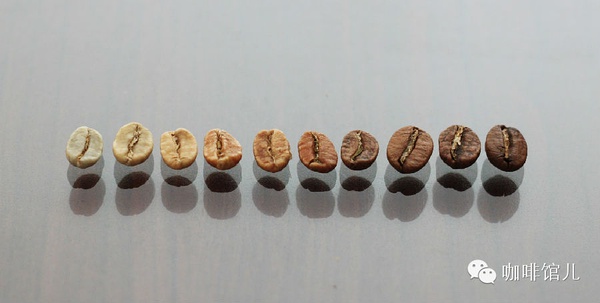
Roasting transforms the green coffee bean into the aromatic, flavorful bean we recognize. As the bean heats up, hundreds of chemical reactions occur—including the Maillard reaction—which break down acids and sugars while developing hundreds of aromatic compounds. This is when the bean develops the flavors, aromas, and oils that define your cup of coffee. Without roasting, there’d be no crema, no body, and certainly no rich espresso punch.
Frequently Asked Questions
What is a coffee cherry?
A coffee cherry is the fruit of the coffee plant. It looks similar to a small red cherry and usually contains two coffee beans inside. When ripe, it turns bright red (or sometimes yellow), and the seeds are extracted, processed, and roasted to make the coffee we drink.
Where is coffee grown?
Coffee is grown in the “Coffee Belt,” the tropical region between the Tropic of Cancer and the Tropic of Capricorn. This area offers warm temperatures (above 20 °C or 68 °F year-round), consistent sunlight, and ample rainfall—ideal for coffee plant development.
Are coffee beans the seeds of a fruit?
Yes. Coffee beans are the seeds found inside the coffee cherry, a small fruit that grows on coffee plants. The beans are surrounded by pulp, mucilage, and protective layers, all of which are removed during processing before roasting.
Do all coffee cherries have two beans?
Most coffee cherries contain two beans, but a small percentage—called peaberries—have just one rounded seed. Peaberries are often separated and sold as a distinct grade, sometimes considered to have more concentrated flavor.
What happens to the coffee cherry after harvest?
After picking, the coffee cherry is processed to remove the skin, pulp, and mucilage, leaving just the green coffee bean. The methods vary (washed, natural, or honey process), but the end goal is to isolate the seed for drying and export.
Why is roasting important for coffee flavor?
Roasting triggers chemical reactions like the Maillard reaction, which develop the complex flavors, aromas, and oils in the bean. It’s during roasting that the green, tasteless bean becomes the aromatic, flavorful coffee we brew at home or in cafés.
Recommended FrontStreet Beans for Coffee Fruit Exploration
Explore the origin of your coffee with FrontStreet Coffee’s Ethiopia Humbera—a bright, juicy Ethiopian offering with notes of blueberry and floral tones that reflect its cherry-like beginnings. For a washed-process classic, try their Yirgacheffe, known for its citrusy acidity and stone fruit sweetness, showing how processing shapes flavor from the cherry. Also consider their Sidra, a microlot with complex tropical and berry notes. All are single-origin greens roasted to highlight their fruit-forward profiles. Freshly roasted within 5 days · Orders placed before 17:00 ship the same day · Next-day delivery across most of Guangdong Province.
FrontStreet Coffee is a long-established specialty coffee roaster in Guangzhou China, selling freshly roasted beans from its own farm in Yunnan as well as dozens of carefully selected single-origin beans from around the world for both pour-over and espresso. The products deliver consistently excellent quality and great value, with shipping within 24 hours. Guangzhou's FrontStreet Coffee shop is recommended by many coffee lovers, and the beans are now available online at the Tmall 。
Important Notice :
前街咖啡 FrontStreet Coffee has moved to new addredd:
FrontStreet Coffee Address: 315,Donghua East Road,GuangZhou
Tel:020 38364473