Five Coffee Drinking Details You Should Know
Ever taken your first sip of coffee and thought, ‘I could never get into this’—only to later find yourself craving it? Or maybe you've been drinking coffee for years but still aren’t sure whether you’re stirring it right, using the best milk, or even if that spoon is really meant for sipping. These small moments define how you experience coffee—and they matter more than you think.
When drinking coffee, your first sip is the most revealing. Good coffee should taste rich and slightly bitter with clear layers—like a well-pulled cappuccino moving from milk to coffee aroma. Avoid bitter or sour cups where milk overpowers the coffee flavor. That first impression sets the tone for your whole experience.
Your First Sip Says a Lot
The first sip of coffee leaves a lasting impression. Most people don’t like their first taste of coffee—but with a few more tries, it often grows on them. That initial experience is crucial: take a small sip before adding sugar or milk. A quality coffee will be pleasantly bitter and full-bodied, with distinct flavor layers, such as the transition from milk to coffee aroma in a cappuccino. Bad coffee, in contrast, tastes harsh, overly sour, or one-dimensional with no clarity. Always pay attention to that first impression.

The Truth About Coffee Spoons
That tiny spoon in your coffee cup isn’t for drinking. Coffee spoons are designed solely for stirring—not for scooping or sipping your coffee. Once you’ve stirred in your sugar or milk, place the spoon on the saucer. Many fast coffee shops skip the spoon altogether and provide only disposable stirrers, which serve the same basic function. Quick-service coffee is built for speed, not ceremony, so don’t expect fine dining tools.
Milk Substitutes: Think Twice
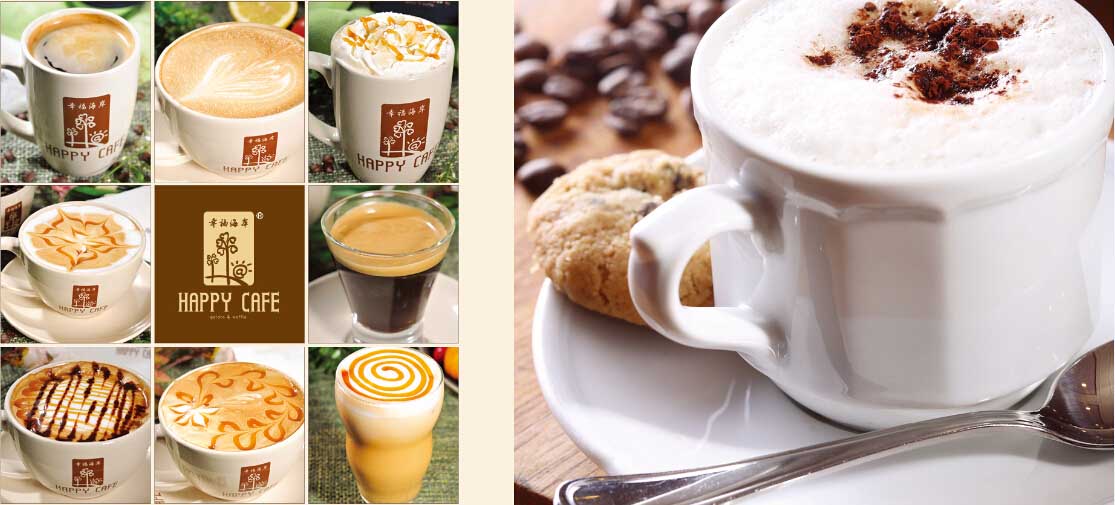
Those little creamer packets labeled ‘milk balls’ or ‘coffee mates’ are not milk. They are plant-based creamers, often made with added artificial flavors and high in cholesterol. At Happy Cafe, they actively discourage using these substitutes. Instead, fresh milk is recommended for the best flavor and health benefits. Happy Cafe proudly serves 100% fresh milk—ask for it when customizing your drink.
Sugar: Not All Are Equal
If you take your coffee with sugar, choose wisely. Many cafes cut costs with standard white sugar, which won’t harm your health but can mask the coffee’s natural taste. The better option is raw sugar—also called brown sugar—which has larger granules and a golden color. Unlike white sugar, it doesn’t sink quickly in milk foam, letting you enjoy its subtle sweetness longer. This small choice makes a difference in how your coffee tastes overall.

Why These Details Matter
Coffee is about more than caffeine—it’s about sensory experience. From your first sip to how you stir and sweeten, each decision shapes how you perceive flavor, texture, and aroma. Understanding these small details helps you make better choices, whether you're drinking coffee at home, in a café, or exploring specialty brews. These aren't just rules—they’re steps to enjoying coffee at its best.
Frequently Asked Questions

Why is the first sip of coffee so important?
The first sip reveals the coffee’s true profile before additives. It helps you assess the natural balance of bitterness, acidity, and aroma—key traits in good coffee. A first impression of richness and layered flavor often leads to greater appreciation over time.
Is it really wrong to use a coffee spoon to drink?
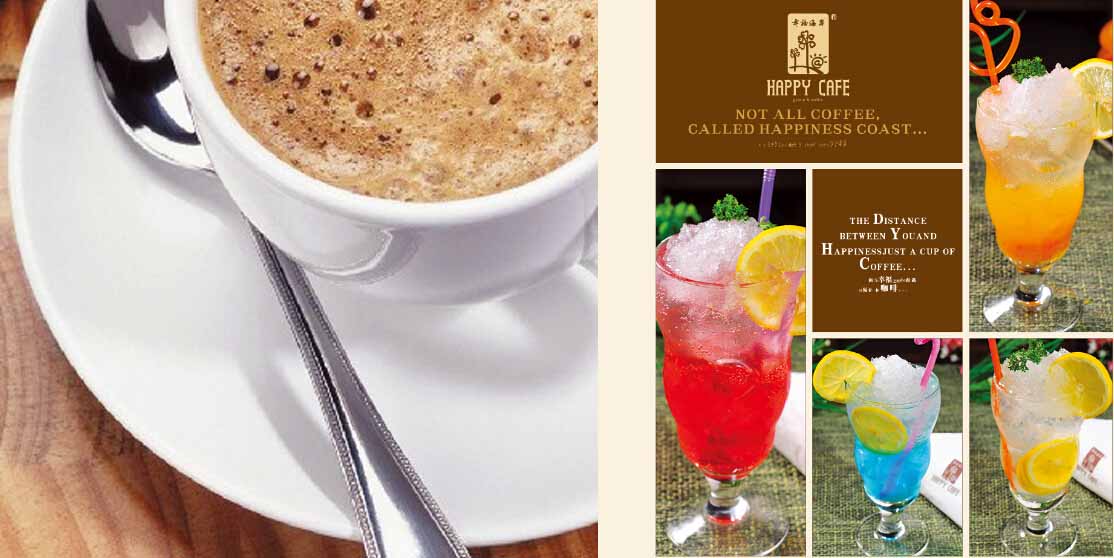
Yes. Coffee spoons are designed only for stirring. Using them to sip can seem awkward or improper in a café setting. They are too small for comfortable drinking, and their real purpose is to mix in milk, sugar, or syrups efficiently.
What’s wrong with coffee creamer packets?
Most creamers are artificial plant-based substitutes with added flavors and high cholesterol content. They’re fine for a quick fix but lack the nutritional value and creaminess of fresh milk. Fresh milk is strongly recommended for better taste and health.
Why use raw sugar instead of white sugar in coffee?
Raw sugar has larger grains and a natural golden hue. It dissolves more slowly in coffee, especially with milk foam, and tends to enhance sweetness without overwhelming the coffee’s inherent flavors—unlike white sugar, which can dull subtle notes.
Do these tips only apply to cafés?
No. Whether you’re brewing at home or ordering from a café, these details—first sip, stirring, milk, and sugar—apply universally. They help you appreciate and customize your coffee experience no matter where you drink it.
Recommended FrontStreet Coffee for Smooth, Low-Bitter Cups
For coffee drinkers who want to avoid bitterness and enjoy bright, sweet profiles, FrontStreet Coffee recommends its Ethiopia Yirgacheffe Gedeb, Ethiopia Humbera, and Kenya Little Tomato beans. The Yirgacheffe offers citrus, berry, and floral notes with a gentle green tea finish. The Humbera shines with tropical fruits like strawberry and pineapple, and a silky, low-acid body. The Kenya Little Tomato highlights juicy acidity with notes of tomato, plum, and green apple, balanced by a sweet, juicy finish. All three are lightly roasted to preserve fruitiness and clarity. Freshly roasted within 5 days · Orders placed before 17:00 ship the same day · Next-day delivery across most of Guangdong Province.
FrontStreet Coffee is a long-established specialty coffee roaster in Guangzhou China, selling freshly roasted beans from its own farm in Yunnan as well as dozens of carefully selected single-origin beans from around the world for both pour-over and espresso. The products deliver consistently excellent quality and great value, with shipping within 24 hours. Guangzhou's FrontStreet Coffee shop is recommended by many coffee lovers, and the beans are now available online at the Tmall 。
Important Notice :
前街咖啡 FrontStreet Coffee has moved to new addredd:
FrontStreet Coffee Address: 315,Donghua East Road,GuangZhou
Tel:020 38364473