
Specialty Coffee Beans
Latest articles, industry insights and brewing guides

Tanzania Coffee Grades and Regional Flavor Guide
Learn how Tanzanian coffee is graded by bean size and explore regional differences between northern and southern Tanzanian coffees.

What Makes Rwandan Coffee Unique?
Explore Rwanda’s high-altitude Bourbon-grown coffee, famed for citrus sweetness, chocolate depth, and COE-winning quality.

Kenya Coffee: What Makes It Unique Among African Origins
Kenya produces some of the world’s most distinctive single-origin coffees, known for bright citrus acidity, winey tones, and complex fruit flavors.
What Makes Ethiopian Coffee Unique?
Explore why Ethiopia is the birthplace of coffee, featuring legendary regions like Yirgacheffe, Sidamo, and Harar — and what makes its beans so distinctive.

What Makes Panamanian Coffee Growing Unique?
Discover how Panama’s high-altitude microclimates and volcanic soil create some of the world’s most distinctive and flavorful specialty coffees.

Guatemalan Coffee Varieties & Flavor Guide
Explore Guatemala’s unique coffee regions, the famed Geisha and Pacamara varieties, and how elevation shapes flavor in beans from Huehuetenango and beyond.
Guatemalan Huehuetenango Coffee Beans Explained
Explore why Huehuetenango beans from Guatemala have brighter, more aromatic profiles than Antigua—learn their origin, processing, and flavor profile.

What Is Kopi Luwak? Cat Poop Coffee Explained
Kopi Luwak, or civet coffee, is made from beans eaten and excreted by the Asian palm civet. Learn how it’s made, why it costs up to $800 per pound, and what it really tastes like.

Huila Colombia Supremo Coffee Beans Explained
Colombian Huila Supremo coffee beans offer bold bitterness, balanced acidity, and rich aroma—best brewed at a medium roast.

Yemeni Coffee and the Origins of Mocha
Learn why Mocha coffee is named after a Yemeni port, its historic role, and how Yemeni beans differ from modern 'Mocha' blends.

East Timor’s Organic Arabica: Earthy Natural Process Coffee
East Timor produces 40% more organic Arabica than treated coffee, with earthy, tar-like notes from sun-dried processing at high altitudes.

Monsooned Malabar: India’s Wind-Aged Coffee Beans
Discover how monsoon winds transform Indian coffee into a unique, mild, and spice-toned brew with a distinctive yellow hue.
Venezuelan Coffee Beans: Rare Single Origins from Oil-Rich Lands
Explore Venezuela’s rare specialty coffee origins—Tipica, Bourbon, and regional profiles like Montebello and Miramar from high-altitude farms.

Vietnam Coffee: Flavor, Production & Key Brands Explained
Vietnam grows mainly Robusta with low acidity and bold body. Learn how it’s processed, who drinks it, and why it’s a global powerhouse.
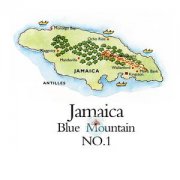
What Makes Jamaican Blue Mountain Coffee So Special
Learn why Jamaican Blue Mountain coffee is called 'the coffee beauty' — rare, mild, balanced, and grown only at high elevations.

Geisha Coffee: The World’s Most Famous Specialty Bean
Learn how Panama’s Geisha coffee rose from obscurity to become the world’s most awarded and expensive specialty bean, with unique floral and citrus flavors.
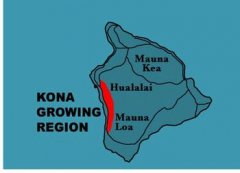
What Is Kona Coffee? Hawaii’s Legendary Single-Origin Bean
Learn why Hawaiian Kona coffee is so rare, expensive, and revered — and how its volcanic soil, climate, and strict certification make it truly unique.

Kopi Luwak: The World’s Most Expensive Civet Coffee
Learn why Kopi Luwak, made from civet-digested beans, commands luxury coffee prices and what gives it its unique flavor.

Typica, Bourbon & Geisha: Origins of Classic Coffee Varieties
Explore the history and traits of Typica, Bourbon, and Geisha coffee varieties, including yield, flavor, and global influence.

Top Specialty Coffee Estates Growing Geisha and More
Explore the world’s most renowned coffee estates, including Panama’s Geisha-producing La Esmeralda and Costa Rica’s famed La Minita.