
"1970s"
2591 article(s) found

Antigua Guatemala Fine Coffee Atitlan Region in Volcanic Region
The global trend of modern coffee has gone through three popular stages. The first stage is from World War II to the 1960s, when instant coffee is represented by cheap coffee; the second stage is from the 1960s to the beginning of this century, when Starbucks is represented by commercial coffee; and the third stage is from the 1970s and has become a trend in the past decade.
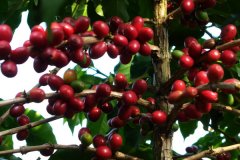
The famous producing area of Peruvian coffee is Chanchamayo, the mellow American coffee.
The global trend of modern coffee has gone through three popular stages: the first stage is the popularity of cheap coffee represented by instant coffee from the post-World War II to the 1960s; the second stage is the popularity of commercial coffee represented by Starbucks from the 1960s to the beginning of this century; the third stage is the popularity of boutique coffee, which originated in the 1970s and has become a trend in the past decade.

Introduction to Nicaraguan Coffee, a Coffee producer in Central America
In many countries, coffee production will be seriously affected for political reasons. Nicaraguan coffee industry is no exception. The 1979 revolution forced coffee planters to flee to Miami. A period of indecision followed, when the government considered whether to redistribute land (including many plantations), which led to a shortage of coffee and a decline in production since the early 1970s

Boutique coffee beans from Ethiopia in Africa unique flavor of Ethiopian boutique coffee
The species of Geisha was discovered in the Rose Summer Forest of Ethiopia in 1931 and sent to the Coffee Institute in Kenya; it was introduced to Uganda and Tanzania in 1936, in Costa Rica in 1953, and Panama was introduced in the 1970s by Francesca of Dongba Seven Farm Garden. Mr. Serraxin got the seeds from CATIE in Costa Rica and started growing Rosa Coffee because

Which manor has planted rose summer coffee Yunnan rose summer coffee planting status introduction
A rare wild variety that originated in Ethiopia. The name of the bean may have come from this coffee bean found near a small local village called Geisha. The coffee tree grows tall, has slender leaves, is not resistant to coffee rust, and has the characteristics of widely spaced branches on the trunk.

The unique floral flavor of boutique coffee beans from Geisha, an Ethiopian region in Africa
The species of Geisha was discovered in the Rose Summer Forest of Ethiopia in 1931 and sent to the Coffee Institute in Kenya; it was introduced to Uganda and Tanzania in 1936, in Costa Rica in 1953, and Panama was introduced in the 1970s by Francesca of Dongba Seven Farm Garden. Mr. Serraxin got the seeds from CATIE in Costa Rica and started growing Rosa Coffee because

Rose Coffee the latest introduction of Ethiopian boutique coffee
The species of Geisha was discovered in the Rose Summer Forest of Ethiopia in 1931 and sent to the Coffee Institute in Kenya; it was introduced to Uganda and Tanzania in 1936, in Costa Rica in 1953, and Panama was introduced in the 1970s by Francesca of Dongba Seven Farm Garden. Mr. Serraxin got the seeds from CATIE in Costa Rica and started growing Rosa Coffee because

Introduction of charming and fragrant Rosa coffee boutique coffee beans
The species of Geisha was discovered in the Rose Summer Forest of Ethiopia in 1931 and sent to the Coffee Institute in Kenya; it was introduced to Uganda and Tanzania in 1936, in Costa Rica in 1953, and Panama was introduced in the 1970s by Francesca of Dongba Seven Farm Garden. Mr. Serraxin got the seeds from CATIE in Costa Rica and started growing Rosa Coffee because

Panama Coffee Estate Emerald Estate Flavor Introduction
The species Geisha was discovered in 1931 in Ethiopia's Guisha Forest and sent to the Coffee Institute in Kenya; introduced to Uganda and Tanzania in 1936, Costa Rica in 1953, Panama in the 1970s by Francesco de la Domba Seven Farm. Mr. Serrazin picked up seeds from CATIE in Costa Rica and started growing rosewood coffee.

A brief introduction to the flavor, taste and aroma characteristics of pure slightly sour Salvadoran coffee beans
In the early 1990s, guerrilla warfare greatly damaged the country's national economy, reducing coffee production from 3.5 million bags in the early 1970s to 2.5 million bags in 1990 and 1991. The eastern part of the country was most affected by guerrilla warfare, and many farmers and workers were forced to leave the manor. The shortage of funds has led to a sharp drop in coffee production, from 1200 kg per hectare in the past to less than 9 per hectare today.

Saldova Coffee Flavor
In the early 1990s, guerrilla warfare greatly damaged the country's national economy, reducing coffee production from 3.5 million bags in the early 1970s to 2.5 million bags in 1990-1991. The eastern part of the country was most affected by guerrilla warfare, and many farmers and workers were forced to leave the manor. The shortage of funds has led to a sharp drop in coffee production, from 1200 kg per hectare in the past to no yield per hectare today.
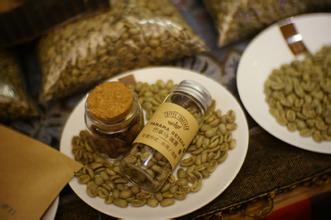
The latest introduction of boutique coffee raw bean Rosa coffee
The species of Geisha was discovered in the Rose Summer Forest of Ethiopia in 1931 and sent to the Coffee Institute in Kenya; it was introduced to Uganda and Tanzania in 1936, in Costa Rica in 1953, and Panama was introduced in the 1970s by Francesca of Dongba Seven Farm Garden. Mr. Serraxin got the seeds from CATIE in Costa Rica and started growing Rosa Coffee because

The Development of El Salvador Coffee quality of El Salvador Coffee
In the early 1990s, guerrilla warfare greatly damaged the country's national economy, reducing coffee production from 3.5 million bags in the early 1970s to 2.5 million bags in 1990-1991. The eastern part of the country was the hardest hit by guerrilla warfare, with many farmers and workers forced to leave the manor. The shortage of funds has led to a sharp drop in coffee production, from 1200 kg per hectare in the past to today's yield per hectare

Fragrant and delicious Nicaraguan Coffee producing area Flavor introduction of Fine Coffee treatment
In many countries, coffee production will be seriously affected for political reasons. Nicaraguan coffee industry is no exception. The 1979 revolution forced coffee planters to flee to Miami. A period of indecision followed, when the government considered whether to redistribute land (including many plantations), which led to a shortage of coffee and a decline in production since the early 1970s

Saldova Coffee Flavors Saldova Coffee Features
In the early 1990s, guerrilla warfare significantly disrupted the country's national economy, reducing coffee production from 3.5 million bags in the early 1970s to 2.5 million bags in 1990- 1991. The eastern part of the country was most affected by guerrilla warfare, and many farmers and workers were forced to leave their estates. The shortage of funds has led to a sharp drop in coffee production, from 1200 kilograms per hectare in the past to less than 1,000 kilograms per hectare today.

Introduction of boutique coffee in Matagalpa in Central America and Nicaragua
In many countries, coffee production will be seriously affected for political reasons. Nicaraguan coffee industry is no exception. The 1979 revolution forced coffee planters to flee to Miami. A period of indecision followed, when the government considered whether to redistribute land (including many plantations), which led to a shortage of coffee and a decline in production since the early 1970s

Salvadoran coffee culture Salvadoran coffee flavor
In the early 1990s, guerrilla warfare greatly damaged the country's national economy, reducing coffee production from 3.5 million bags in the early 1970s to 2.5 million bags in 1990-1991. The eastern part of the country was most affected by guerrilla warfare, and many farmers and workers were forced to leave the manor. The shortage of funds has led to a sharp drop in coffee production, from 1200 kg per hectare in the past to no yield per hectare today.

An introduction to the Cultural Origin of Salvadoran Coffee
In the early 1990s, guerrilla warfare greatly damaged the country's national economy, reducing coffee production from 3.5 million bags in the early 1970s to 2.5 million bags in 1990-1991. The eastern part of the country was the hardest hit by guerrilla warfare, with many farmers and workers forced to leave the manor. The shortage of funds has led to a sharp drop in coffee production, from 1200 kg per hectare in the past to today's yield per hectare

Introduction to Salvadoran Coffee
In the early 1990s, guerrilla warfare greatly damaged the country's national economy, reducing coffee production from 3.5 million bags in the early 1970s to 2.5 million bags in 1990-1991. The eastern part of the country was most affected by guerrilla warfare, and many farmers and workers were forced to leave the manor. The shortage of funds has led to a sharp drop in coffee production, from 1200 kg per hectare in the past to no yield per hectare today.

Origin of Salvadoran coffee
In the early 1990s, guerrilla warfare greatly damaged the country's national economy, reducing coffee production from 3.5 million bags in the early 1970s to 2.5 million bags in 1990-1991. The eastern part of the country was most affected by guerrilla warfare, and many farmers and workers were forced to leave the manor. The shortage of funds has led to a sharp drop in coffee production, from 1200 kg per hectare in the past to no yield per hectare today.