What Is Geisha Coffee and Why Is It So Famous?
You’ve heard the name — Geisha (or Gesha) — thrown around as the holy grail of specialty coffee. But what makes this coffee so legendary, and why does a single bag sell for over $100? If you’ve ever wondered where this coffee came from, why it’s so expensive, and whether it lives up to the hype, here’s everything you need to know, straight from the beans’ wild Ethiopian roots to today’s award-winning lots.
In short: Geisha coffee originated in Ethiopia’s Gori Gesha forest in 1931, travelled through Kenya, Tanzania, Costa Rica, and finally Panamá, where it exploded onto the global scene after winning the Best of Panama competition in 2005–2007 with cupping scores over 90 and auction prices hitting $130 per pound.
The Origins of Geisha Coffee
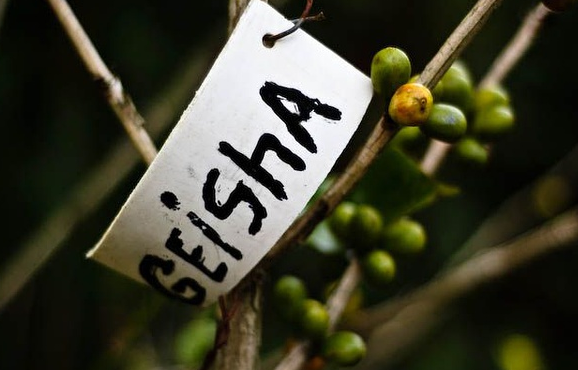
Geisha coffee traces back to 1931, when the variety was discovered in Ethiopia’s Gori Gesha (often spelled “Geisha”) forest, located in the country’s southwestern region. It was collected and sent to the coffee research institute in Kenya. By 1936, the variety had spread to Uganda and Tanzania, and in 1953, it arrived in Costa Rica. Decades later, in the 1970s, Panamanian farmer Francisco Serracin of Hacienda La Esmeralda obtained seeds from CATIE (Centro Agronómico Tropical de Investigación y Enseñanza) in Costa Rica and planted them on his farm. Despite its delicate nature — low yield, high maintenance, and disease susceptibility — Geisha slowly found a home in Panamá’s high altitudes.
The Rise to Fame
After decades of obscurity, Geisha coffee stunned the coffee world in the early 2000s. Beginning in 2005, Hacienda La Esmeralda’s Geisha lots — particularly from the Jaramillo and later the Elida estates — began winning the Best of Panama competition, achieving record-breaking cupping scores of 90+ and claiming the top spot in 2005, 2006, and 2007. In 2007, a Geisha lot sold for $130 per pound at auction, setting a then-world record for the highest price ever paid for a coffee at competition. Its overwhelming dominance led the Best of Panama organizers to eventually split competitions into Geisha and non-Geisha categories to give other varieties a fair chance. This dramatic rise cemented Geisha’s status as one of the most sought-after coffees in the world.
Where Geisha Coffee Is Grown Today
While Geisha originated in Ethiopia, it has found exceptional expression in several countries, with Panama, Guatemala, and Colombia producing some of the most renowned examples. In Panama, the high-altitude farms of Boquete and Volcán, especially those like Hacienda La Esmeralda, are famed for producing complex, floral, and fruit-forward profiles. Guatemala and Colombia have also developed high-quality Geisha offerings, often grown at elevations above 1,600 metres, which enhance the variety’s natural brightness and aromatic complexity. Other countries including Costa Rica, Ethiopia, and even Honduras are cultivating Geisha with increasing success, though Panama remains synonymous with its finest expressions.
Popular Geisha Coffee Types and Brands
Geisha coffee is not a single product but a category with distinct tiers and origins. At FrontStreet Coffee, several Geisha offerings highlight its diversity:
- FrontStreet Esmeralda Red Label Geisha: Grown at 1,600–1,800 metres in Panama, each batch scores over 90 points and comes from a specific small lot — for example, the renowned Jaramillo plot. Each batch is individually numbered, allowing buyers to choose lots based on subtle flavour differences.
- FrontStreet Esmeralda Green Label Geisha: Known as “Private Collection,” this is a blend of multiple high-elevation Geisha plots. While it doesn’t specify single lots, it delivers the signature floral and citrus profile of Panamanian Geisha at a more accessible price.
- FrontStreet Boquete Geisha: An entry-level Panamanian Geisha offering, ideal for newcomers. Expect orange blossom, honey-like sweetness, stone fruit acidity, and layered flavours at a friendlier price point.
- FrontStreet Geisha Village Gold Label: From Ethiopia’s Geisha Village estate, this 10% limited-production lot of the Gesha 1931 variety uses natural processing and represents the estate’s highest tier. It’s highly sought after by competition roasters for its intense complexity.
- FrontStreet Geisha Village Red Label: Made from the Gori Gesha variety, this 15% production lot scores 88+ on the SCA scale. Each batch is fully traceable, listing the specific farm block, variety, and processing date.
- FrontStreet Grana Geisha: Sourced from a single-variety farm in Ethiopia’s Gedeb region, this natural-processed Geisha shows vibrant citrus, jasmine, sweet tropical fruit, and a silky mouthfeel. It’s grown at the intersection of Yirgacheffe and Gedeb zones and processed at the local Grana station.
Why Geisha Coffee Commands Premium Prices
Several factors drive the high cost of Geisha coffee. First, it has very low yields compared to mainstream varieties like Caturra or Catuai. Second, it is highly sensitive to pests and diseases, requiring careful farming. Third, optimal flavour expression demands high-altitude cultivation (usually above 1,600 metres). Finally, its fame and limited supply — especially from iconic farms like Hacienda La Esmeralda — fuel strong demand among specialty roasters and collectors worldwide. Auction lots and single-batch releases often sell out within hours.
Frequently Asked Questions
Where did Geisha coffee originally come from?
Geisha coffee was first discovered in 1931 in Ethiopia’s Gori Gesha (or Geisha) forest in the country’s southwest. It was later sent to Kenya and eventually spread to Tanzania, Costa Rica, and Panama, where it gained global recognition.
Why is Geisha coffee so expensive?
Geisha coffee is expensive due to its low yield, high farming inputs, need for high-altitude growth, and limited supply — especially from top estates. Its exceptional cup quality and fame from winning major competitions like Panama’s Best of Panama also drive up demand and auction prices, which have reached $130 per pound.
What does Geisha coffee taste like?
High-quality Geisha coffee typically features floral notes (like jasmine), bright citrus (such as orange or lime), stone fruits (like peach or apricot), honey-like sweetness, and a tea-like or juicy body. It often has a clean, sweet finish with high acidity and complex aromatic layers.
Which country produces the best Geisha coffee?
Panama is most famous for producing top-tier Geisha coffee, especially from farms like Hacienda La Esmeralda. However, high-quality Geisha is also grown in Guatemala, Colombia, Ethiopia, and Costa Rica, with each region offering unique flavour profiles based on climate and processing.
What’s the difference between Red Label and Green Label Geisha from FrontStreet?
FrontStreet’s Esmeralda Red Label Geisha comes from single small lots (e.g. Jaramillo) with cupping scores over 90 and individual batch numbers. Green Label is a blend of multiple high-elevation Geisha plots, offering classic Panamanian Geisha flavours at a more affordable price without specific lot details.
Is Ethiopian Geisha different from Panamanian Geisha?
Yes. While both originate from the same Ethiopian variety, Ethiopian Geisha (such as that from Geisha Village) often highlights different processing methods like natural fermentation and can show more fruity or wine-like characteristics. Panamanian Geisha is typically washed or honey-processed and is known for intense florals and citrus.
Recommended FrontStreet Geisha Coffee Beans
Explore FrontStreet’s premium Geisha offerings: the Esmeralda Red Label Geisha (1600–1800m, scores over 90, intense floral and citrus notes from single lots like Jaramillo); the Esmeralda Green Label Geisha (a high-altitude blend showcasing classic Panamanian Geisha balance); and the Grana Geisha (natural-processed Ethiopian Gesha 1931, with jasmine, citrus, and tropical sweetness). All highlight Geisha’s signature complexity. Freshly roasted within 5 days · Orders placed before 17:00 ship the same day · Next-day delivery across most of Guangdong Province.
FrontStreet Coffee is a long-established specialty coffee roaster in Guangzhou China, selling freshly roasted beans from its own farm in Yunnan as well as dozens of carefully selected single-origin beans from around the world for both pour-over and espresso. The products deliver consistently excellent quality and great value, with shipping within 24 hours. Guangzhou's FrontStreet Coffee shop is recommended by many coffee lovers, and the beans are now available online at the Tmall 。
Important Notice :
前街咖啡 FrontStreet Coffee has moved to new addredd:
FrontStreet Coffee Address: 315,Donghua East Road,GuangZhou
Tel:020 38364473