
"2.5kg"
400 article(s) found

A brief introduction to the treatment method of grinding degree and baking degree of fine coffee beans in Mercedes Manor
Coffee originated in the early 1990s, guerrilla warfare greatly damaged the country's national economy, reducing coffee production from 3.5 million bags in the early 1970s to 2.5 million bags in 1990 and 1991. The eastern part of the country was most affected by guerrilla warfare, and many farmers and workers were forced to leave the manor. The shortage of funds has led to a sharp drop in coffee production, from 1200 kg per hectare in the past to per hectare today

A brief introduction to the history and culture of the origin and development of boutique coffee beans in Mercedes Manor with balanced taste
In the early 1990s, guerrilla warfare greatly damaged the country's national economy, reducing coffee production from 3.5 million bags in the early 1970s to 2.5 million bags in 1990 and 1991. The eastern part of the country was most affected by guerrilla warfare, and many farmers and workers were forced to leave the manor. The shortage of funds has led to a sharp drop in coffee production, from 1200 kg per hectare in the past to less than 9 per hectare today.

A brief introduction to the cultivation of fine quality coffee beans in Mercedes Manor, geographical location, climate and altitude
In the early 1990s, guerrilla warfare greatly damaged the country's national economy, reducing coffee production from 3.5 million bags in the early 1970s to 2.5 million bags in 1990 and 1991. The eastern part of the country was most affected by guerrilla warfare, and many farmers and workers were forced to leave the manor. The shortage of funds has led to a sharp drop in coffee production, from 1200 kg per hectare in the past to less than 9 per hectare today.

Saldova Coffee Flavors Saldova Coffee Features
In the early 1990s, guerrilla warfare significantly disrupted the country's national economy, reducing coffee production from 3.5 million bags in the early 1970s to 2.5 million bags in 1990- 1991. The eastern part of the country was most affected by guerrilla warfare, and many farmers and workers were forced to leave their estates. The shortage of funds has led to a sharp drop in coffee production, from 1200 kilograms per hectare in the past to less than 1,000 kilograms per hectare today.
Hainan Xinglong Coffee, China
Brief introduction of Hainan Xinglong Coffee: Xinglong Coffee settled in Xinglong, Hainan, in 1953, when Xinglong overseas Chinese Farm was just established, in order to realize the practice of short-term growth, that is, to use short-term crop income such as coffee, citronella and rice to make up for long-term crop income such as rubber, Xinglong began to introduce coffee from Chengmai Mountain. After a long period of research, it has been found that coffee

Hainan coffee beans Xinglong coffee beans
Brief introduction of Hainan Xinglong Coffee: Xinglong Coffee settled in Xinglong, Hainan, in 1953, when Xinglong overseas Chinese Farm was just established, in order to realize the practice of short-term growth, that is, to use short-term crop income such as coffee, citronella and rice to make up for long-term crop income such as rubber, Xinglong began to introduce coffee from Chengmai Mountain. After a long period of research, it has been found that coffee

Grinding scale of Cuban Crystal Mountain Coffee beans description of the flavor of the manor area
El Salvador (ElSalvador) is one of the small countries in Central America, where coffee is light, fragrant, pure, slightly sour and characterized by excellent balance of flavor. It is a specialty of Central America. With sour, bitter, sweet and other taste characteristics, the best baking degree is moderate, deep. Salvadoran Coffee-Coffee originated in the early 1990s, guerrilla warfare greatly damaged the country's national economy.

What is the difference between Salvadoran coffee and regular coffee beans?
In the early 1990s, guerrilla warfare greatly damaged the country's national economy, reducing coffee production from 3.5 million bags in the early 1970s to 2.5 million bags in 1990 - 1991. The eastern part of the country was most affected by guerrilla warfare, and many farmers and workers were forced to leave their estates. The shortage of funds has caused coffee production to plummet, from 1200 kilograms per hectare in the past to today's per hectare

Grinding scale treatment of coffee beans in Mercedes Manor in El Salvador
In the early 1990s, guerrilla warfare greatly damaged the country's national economy, reducing coffee production from 3.5 million bags in the early 1970s to 2.5 million bags in 1990 and 1991. The eastern part of the country was most affected by guerrilla warfare, and many farmers and workers were forced to leave the manor. The shortage of funds has led to a sharp drop in coffee production, from 1200 kg per hectare in the past to less than 90 per hectare today.

Introduction to the Origin of the Grinding scale of aromatic and Pure Salvadoran Coffee Flavor
In the early 1990s, guerrilla warfare greatly damaged the country's national economy, reducing coffee production from 3.5 million bags in the early 1970s to 2.5 million bags in 1990-1991. The eastern part of the country was most affected by guerrilla warfare, and many farmers and workers were forced to leave the manor. The shortage of funds has led to a sharp drop in coffee production, from 1200 kg per hectare in the past to no yield per hectare today.
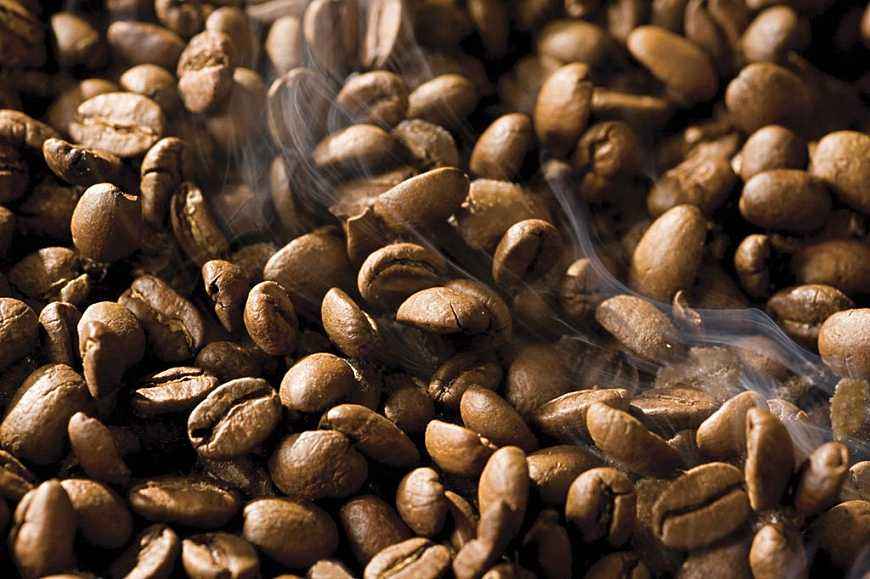
Flavor description of Salvadoran coffee producing area, origin of Salvadoran coffee
Follow the comments (Wechat official account vdailycom) found that the beautiful cafe opened its own shop, El Salvador's unique high-grade variety Pacamara, a sudden variant of the bourbon species found by Pacas Pacas- in El Salvador, a hybrid with giant bean Maragogype, a sudden variant of the Tibica species found in Brazil.
Coffee for tourists in Xinglong Coffee, Hainan, China
Brief introduction of Hainan Xinglong Coffee: Xinglong Coffee settled in Xinglong, Hainan, in 1953, when Xinglong overseas Chinese Farm was just established, in order to realize the practice of short-term growth, that is, to use short-term crop income such as coffee, citronella and rice to make up for long-term crop income such as rubber, Xinglong began to introduce coffee from Chengmai Mountain. After a long period of research, it has been found that coffee

A brief introduction to the planting Market Price of El Qomolangma Fine Coffee Bean varieties with Light and aromatic body
In Cuscacbapa, El Salvador, coffee beans that have been packaged are about to be exported. Coffee from El Salvador is a specialty of Central America, where it is light, fragrant, pure and slightly sour. Like Guatemala and Costa Rica, coffee in El Salvador is graded according to altitude, and the higher the altitude, the better the coffee. The best brand is Pip

Introduction to the flavor description and grinding scale varieties of El Salvador Pacamara coffee beans
In the early 1990s, guerrilla warfare greatly damaged the country's national economy, reducing coffee production from 3.5 million bags in the early 1970s to 2.5 million bags in 1990 and 1991. The eastern part of the country was most affected by guerrilla warfare, and many farmers and workers were forced to leave the manor. The shortage of funds has led to a sharp drop in coffee production, from 1200 kg per hectare in the past to less than 9 per hectare today.

Introduction of El Salvador Coffee Manor with balanced Taste
Flavor: balanced taste, excellent texture suggested baking method: medium to deep, there are many uses of high-quality beans: El SHB taste characteristics: sour, bitter, sweet mild and moderate. Salvadoran coffee ranks side by side with Mexico and Guatemala as the producers of Asa and Merdo, and is fighting for the top one or two places in China and the United States with other countries. The highland of origin is equal in size and size.

Fragrant and authentic Salvadoran coffee bean flavor taste introduction to boutique coffee in manor area
Salvadoran coffee ranks side by side with Mexico and Guatemala as the producers of Asa and Merdo, and is fighting for the top one or two places in China and the United States with other countries. The highlands of origin are large coffee beans of all sizes, which are fragrant and mild in taste. Like Guatemala and Costa Rica, coffee in El Salvador is graded according to altitude, and the higher the altitude, the better the coffee

A brief introduction to the market price of pure slightly sour Salvadoran boutique coffee beans
The eastern part of the country was most affected by guerrilla warfare, and many farmers and workers were forced to leave the manor. The shortage of funds has led to a sharp drop in coffee production, from 1200 kg per hectare in the past to less than 900kg per hectare today. In addition, the government imposed an additional 15% tariff on exported coffee in 1986, that is, an additional 15% in addition to the existing 30% tax. Taxes, together with unfavorable

Introduction to the taste of El Salvador Mercedes Manor coffee with mild sour, bitter and sweet taste
El Salvador's domestic topography is mainly mountainous, plateau, volcanic, known as the country of volcanoes, Santa Ana active volcano 2385 meters above sea level, the highest peak in the country; the northern part of the country is the Lompa Valley and the southern part is the narrow coastal plain. Climatic characteristics all over El Salvador has a tropical climate, with an annual average temperature of 28 ℃; dry season from November to April and rainy season from May to October; coastal and lowland atmosphere

Introduction to the Flavor characteristics of El Salvador Himalayan Coffee Variety
El Salvador coffee with mild taste is one of the small countries in Central America with a densely populated population. The flavor of its coffee is characterized by excellent balance. Today, this coffee accounts for 40% of the country's exports. 35% of the extra hard beans of the best coffee are exported to Germany from January to March. In the early 1990s, guerrilla warfare greatly damaged the country's national classics.

How to roast raw coffee beans in Rainers Manor
In the early 1990s, guerrilla warfare significantly disrupted the country's national economy, reducing coffee production from 3.5 million bags in the early 1970s to 2.5 million bags in 1990- 1991. The eastern part of the country was most affected by guerrilla warfare, and many farmers and workers were forced to leave their estates. The shortage of funds has led to a sharp drop in coffee production, from 1200 kilograms per hectare in the past to less than 1,000 kilograms per hectare today.