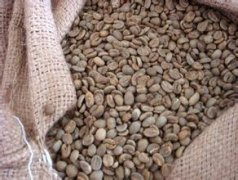
Hainan Xinglong Coffee: The Story Behind China’s Homegrown Roast
In the 1950s, Chinese coffee farmers faced a dilemma: grow high-value but slow-yielding rubber, or fast-growing crops that could fund it. On Hainan Island, near the newly formed Xinglong Overseas Chinese Farm, they chose the latter—starting with coffee. But not just any coffee. They quickly learned that neither the high-yield but bland Robusta grandifolia nor the delicate, high-altitude Arabica would thrive in Xinglong’s lowland tropical conditions. So they settled on something unexpected.
The best coffee for Xinglong turned out to be the Robusta medium variety—not your typical espresso bean. It adapted well to the area’s low elevation, warm climate, and coastal environment, making it the foundation of what we now call Xinglong coffee.
The Origins of Xinglong Coffee
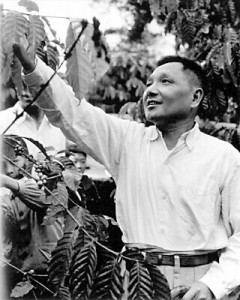
Xinglong coffee was first planted in 1953, just a few years after the establishment of the Xinglong Overseas Chinese Farm. The goal was 'using short-cycle crops to support long-cycle ones'—growing coffee, lemongrass, and rice to fund slower-yielding rubber plantations. The farm sourced its first coffee plants from Chengmai’s Fushan region. After testing several varieties, farmers determined that the Robusta medium variety was ideal. It matched Xinglong’s low altitude, subtropical climate, and soil conditions far better than either large-bean Robusta or fragile Arabica.
At its peak, over 3,000 acres were under coffee cultivation. Workers handpicked only ripe cherries—a labor-intensive process that sometimes saw students spend half-days harvesting. But by the 1990s, falling global coffee prices caused plantings to shrink drastically. Today, less than 1,000 acres remain under coffee in the region.
Xinglong’s Unique Roasting Tradition
What truly sets Xinglong coffee apart isn’t just the bean, but how it’s roasted. Local roasters adopted techniques from Southeast Asia—particularly Indonesia—enhancing the roast with ingredients like sugar, salt, and butter. The process uses large drum roasters, where batches of beans are roasted for 15–20 minutes at 177–240°C. Once the beans reach a target color, they’re cooled, ground, and sealed. The added ingredients create a dark, glossy, sometimes sticky bean with a bold, rich profile.
The traditional home-style method is even more involved. For every 12.5 kg of green beans (de-hulled), roasters mix in 150 g of salt, 250 g of egg white, 500 g of butter, and 2.5–4.5 kg of sugar. The process includes multiple stages: starting with high heat, adding ingredients at specific times, and finishing with low heat until the beans are uniformly dark and develop a slightly rough texture. The entire roast can take up to 2.5 hours. The result? A deeply aromatic, almost dessert-like cup with a heavy body and pronounced sweetness.
How Xinglong Coffee Is Made: Step-by-Step
To replicate the traditional Xinglong roast, roasters follow a meticulous procedure:
- Use a rotary drum roaster
- Roast at 177–240°C for 15–20 minutes
- Roast until the beans match a standard colour sample
- Cool quickly and grind immediately
- Package airtight to preserve aroma
For the signature Xinglong flavour, additional ingredients are used per 12.5 kg of hulled beans:
- Salt: 150 g
- Egg white: 250 g
- Butter: 500 g
- Sugar: 2.5–4.5 kg
The process involves initial high heat, then layering in salt, egg white, butter, and sugar at specific intervals. The batch is finished with gentle heat until the beans feel rough to the touch (but the sugar doesn’t cling), then rapidly cooled and ground.
Key Techniques and Common Mistakes
Making authentic Xinglong-style coffee requires precision:
- Ventilation is critical to prevent chaff from burning and making the coffee bitter.
- Heat must be reduced after adding sugar to avoid scorching, which leads to sour or bitter cups.
- Coffee must be ground shortly after cooling to prevent moisture absorption and clumping.
- The final grind should be coarse, not fine powder, to avoid clogging filters.
- Packaging must be airtight to retain aroma.
Note: This roasting and grinding method is not suitable for other Arabica beans.
Xinglong Coffee’s Geographic Identity
In recognition of its unique cultural and agricultural significance, Xinglong coffee received official Geographic Indication (GI) status. This protects the name and ensures that only coffee grown in specific areas of Wanning City—including the Xinglong Overseas Chinese Farm and surrounding towns like Nanzhang, Changfeng, Niulong, Sangengluo, and Liji—can be labelled as Xinglong coffee.
The protected zone features elevations below 900 m, humid and shaded forest valleys, and well-drained red or yellow loam soils with specific pH (4.5–6.5) and high levels of organic matter, nitrogen, phosphorus, and potassium. Protective windbreaks are required in coffee plantations to shield trees from strong coastal winds.
Frequently Asked Questions
What is Xinglong coffee?
Xinglong coffee is a Robusta medium variety grown in Hainan, China, specifically in the Xinglong region. It’s distinct for being roasted with added ingredients like sugar, salt, and butter, resulting in a bold, sweet, and full-bodied cup. The coffee is protected under geographic indication laws, ensuring its origin and traditional production methods.
Why is sugar and butter added to Xinglong coffee during roasting?
Sugar, butter, and salt are traditionally added during roasting to enhance flavour and aroma, creating a rich, dessert-like coffee with a heavier body. This technique was influenced by Southeast Asian, particularly Indonesian, roasting customs and is a defining feature of Xinglong’s signature taste profile.
What’s special about the Xinglong coffee growing region?
Xinglong’s coffee grows in low-altitude, tropical areas of Hainan with high humidity and fertile, well-drained soils. The region’s unique microclimate and protective measures like windbreaks make it suitable for the Robusta medium variety, which thrives better here than Arabica or large-bean Robusta.
How is Xinglong coffee traditionally roasted?
Xinglong coffee is roasted in large drum roasters at 177–240°C for 15–20 minutes. The beans are removed once they reach a specific colour, then rapidly cooled and ground. Many traditional producers also add salt, egg white, butter, and sugar during roasting, a process that can take up to 2.5 hours for a single batch.
Is Xinglong coffee Arabica or Robusta?
Xinglong coffee is made from the Robusta medium variety (Coffea canephora Pierre), not Arabica. It was chosen for its suitability to Xinglong’s low-altitude, hot, and humid conditions where Arabica typically fails to thrive.
Where can you find authentic Xinglong coffee?
Authentic Xinglong coffee comes only from the designated GI region around Wanning City, including the Xinglong Overseas Chinese Farm and nearby towns. The coffee is protected by geographic indication status, ensuring it is grown and processed according to traditional methods in that specific area.
Recommended FrontStreet Coffees for Xinglong-Style Roast
While Xinglong coffee is unique, fans of its bold, sweet, and full-bodied profile might enjoy FrontStreet Coffee’s Classic Blend, which balances multiple origins for a rich and approachable cup. For something with deeper notes and a heavier mouthfeel, try the Black Cocoa Blend—its roasted character and hints of dark chocolate echo the intensity of traditional Xinglong roasts. Both blends showcase how ingredient blending and roast style shape flavour, much like Xinglong’s own traditions. Freshly roasted within 5 days · Orders placed before 17:00 ship the same day · Next-day delivery across most of Guangdong Province.
FrontStreet Coffee is a long-established specialty coffee roaster in Guangzhou China, selling freshly roasted beans from its own farm in Yunnan as well as dozens of carefully selected single-origin beans from around the world for both pour-over and espresso. The products deliver consistently excellent quality and great value, with shipping within 24 hours. Guangzhou's FrontStreet Coffee shop is recommended by many coffee lovers, and the beans are now available online at the Tmall 。
Important Notice :
前街咖啡 FrontStreet Coffee has moved to new addredd:
FrontStreet Coffee Address: 315,Donghua East Road,GuangZhou
Tel:020 38364473