What Is Kona Coffee? Hawaii’s Iconic Specialty Bean
If you’ve ever wondered what sets apart the smooth, spicy, sweet coffee often described as 'like drinking a cup of sunshine,' chances are someone was talking about Kona coffee. But with so many brands labeling blends as 'Kona,' how do you know what’s real—and why does it cost so much?
Kona coffee refers exclusively to 100% beans grown in the Kona district on the slopes of Hualalai and Mauna Loa volcanoes in Hawaii. True Kona is rare: only about 1,400 hectares are suitable for cultivation, and less than 5% of coffee sold as 'Kona' is the genuine article.
What Is Kona Coffee?
Kona coffee is a single-origin arabica grown solely in the Kona region on the Big Island of Hawaii. It’s famed for its balanced profile: medium body, bright acidity, notes of nuts, spice, and mild fruit, with a smooth, clean finish. The best grades—Extra Fancy, Fancy, and Number One—are sorted and processed with extreme care under strict agricultural standards. Most 'Kona' coffee sold commercially is actually a blend containing less than 5% actual Kona beans.
Where Is Kona Coffee Grown?
Kona coffee is cultivated on the volcanic slopes of Hualalai and Mauna Loa in the Kona District on Hawaii’s Big Island. The growing area stretches roughly 30 kilometers along the western slopes, with plantings concentrated in the northern and southern zones. Farms sit between 150 and 750 meters above sea level, benefitting from rich, volcanic soil and a unique microclimate that offers sun in the morning, cloud cover and humidity in the afternoon, and cool nights without frost.
Why Does Kona Coffee Taste So Good?
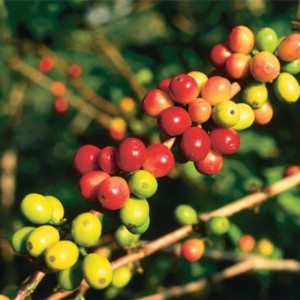
The exceptional cup quality of Kona coffee comes down to its growing environment. Volcanic soils provide ideal drainage and essential minerals. The microclimate features moderate temperatures (rarely exceeding 30°C), consistent rainfall, and the so-called 'free shade'—natural cloud cover around 2pm daily—that protects the trees. These factors, combined with careful farming practices and high elevations (mostly above 90m), create beans with a well-rounded acidity, medium body, and distinctive notes of caramel, cinnamon, nuttiness, and tropical fruit.
The History of Kona Coffee
Coffee was first planted in Hawaii in 1813 in Manoa Valley on Oahu, now the site of the University of Hawaii. The variety that became Kona coffee arrived in 1825 when British botanist John Wilkinson introduced Brazilian seeds. In 1828, American missionary Samuel Ruggles brought cuttings from those trees to the Kona region. From small-scale mission gardens, coffee farming evolved through plantation models, weathered economic booms and busts including World Wars and the Great Depression, and eventually transitioned to small family farms. By the 1970s and 80s, Kona established its reputation as one of the world’s premier specialty coffees. Notably, 100% Kona coffee must come from this specific region to carry the name.
How Is Kona Coffee Graded and What Should You Look For?
Kona coffee is classified into three primary grades:
- Extra Fancy: The highest grade, with flawless beans, excellent cup quality, balanced acidity, and often hints of cinnamon spice.
- Fancy: Slightly more defects allowed, but still high quality.
- Number One: A solid everyday grade with good flavor characteristics.
How Much Coffee Does Kona Produce?
The Kona region produces approximately 2 million pounds of coffee beans annually from roughly 2,600 acres (1,052 hectares) of cultivated land. This relatively small output—about 900,000 kilograms per year—contributes to its exclusivity and higher price point. Each farm is typically small, family-run, and between 18 to 42 acres, with the entire Kona coffee industry generating over $10 million in revenue each year.
What’s the Difference Between Kona and Kona Blends?
True Kona coffee is 100% grown in the Kona region of Hawaii. However, due to limited supply and high demand, many products labeled as 'Kona coffee' are actually blends that contain as little as 1% to 5% actual Kona beans, mixed with cheaper Latin American or Asian beans. In the U.S., a product can be labeled 'Kona Blend' with just 10% Kona content—but only in Hawaii. Outside Hawaii, 'Kona' should mean 100%, or it’s likely a blend. Always check the label: 100% Kona will specify the origin clearly.
Can You Visit Kona Coffee Farms?
Yes. The Kona region is home to about 600 mostly family-owned coffee farms, many of which offer tours. Visitors can see the full coffee process—from harvest to roasting—and often participate in picking, processing, and brewing their own cup. The scenic farms, paired with ocean views and tropical air, make Kona one of the most unique coffee tourism destinations in the world.
Frequently Asked Questions
What does Kona coffee taste like?
Kona coffee is known for a balanced cup with medium body, bright and smooth acidity, and tasting notes of nuts, spices like cinnamon, mild fruits, and sometimes chocolate. The finish is clean and sweet, often described as easy-drinking yet complex.
Where is Kona coffee grown in Hawaii?
Kona coffee is grown exclusively on the slopes of Hualalai and Mauna Loa volcanoes in the Kona District on the Big Island (Hawaii Island) of Hawaii, between 150 and 750 meters above sea level.
Is all Kona coffee 100% pure?
No. Only coffee labeled '100% Kona coffee' is purely from the Kona region. Most 'Kona coffee' sold in stores is a blend with as little as 1%–5% actual Kona beans. In Hawaii, blends must have at least 10% Kona to be labeled as such, but elsewhere, 'Kona' often means a minor component.
Why is Kona coffee so expensive?
Kona coffee is expensive due to limited production—only about 2 million pounds per year from a small growing area of around 1,400 hectares—and the high cost of labor in Hawaii. The beans are also carefully hand-picked, sorted, and processed to maintain quality, all contributing to its premium price.
What is the best grade of Kona coffee?
The highest grade is Extra Fancy, followed by Fancy and Number One. Extra Fancy Kona coffee has the best bean appearance, lowest defect rate, and most refined cup profile.
Recommended FrontStreet Beans with Chocolate & Nut Notes
If you enjoy the nutty, chocolatey profile of Kona coffee, try FrontStreet’s Brazil Queen Manor for its smooth peanut and caramel flavors with low acidity, or the Indonesia Lintong Mandheling for its bold cocoa and spice notes. Both offer a similar sweetness and body to what you’d expect from premium Kona. Freshly roasted within 5 days · Orders placed before 17:00 ship the same day · Next-day delivery across most of Guangdong Province.
FrontStreet Coffee is a long-established specialty coffee roaster in Guangzhou China, selling freshly roasted beans from its own farm in Yunnan as well as dozens of carefully selected single-origin beans from around the world for both pour-over and espresso. The products deliver consistently excellent quality and great value, with shipping within 24 hours. Guangzhou's FrontStreet Coffee shop is recommended by many coffee lovers, and the beans are now available online at the Tmall 。
Important Notice :
前街咖啡 FrontStreet Coffee has moved to new addredd:
FrontStreet Coffee Address: 315,Donghua East Road,GuangZhou
Tel:020 38364473