Salvadoran Specialty Coffee: Flavor & Roast Guide
If you’ve tasted a balanced cup—mellow acidity, clean sweetness, and a structured body—and wondered where it came from, Salvadoran coffee might be the answer. This small Central American country produces single-origin beans known for their equilibrium, often overlooked despite decades of challenges. What makes Salvadoran coffee stand out, and why do roasters still champion it today?
Salvadoran specialty coffee is typically medium to dark roasted for best results, showcasing its naturally balanced acidity, mild sweetness, and clean finish. The top grade, SHB (Strictly High Grown), comes from elevations above 1,350 meters and delivers large, even beans with nuanced cup character.
What Is Salvadoran Coffee?
Salvadoran coffee is a single-origin bean grown primarily in the country’s high-altitude regions. It is light-bodied, aromatic, and distinctly balanced—with mild acidity and a clean, well-rounded profile. The flavor is noted for its equilibrium: acidity, bitterness, and sweetness are equally expressed. Salvadoran beans are widely regarded as one of the Central American specialties, often compared to those from Guatemala and Costa Rica. The optimal roast level for bringing out its best qualities is medium to dark.
The History Behind Salvadoran Coffee Production
In the early 1990s, guerrilla warfare severely disrupted El Salvador’s economy, slashing coffee production from 3.5 million bags in the early 1970s to just 2.5 million bags by 1990–1991. The hardest-hit areas were the eastern regions, where farmers and workers fled their estates. With resources scarce, yields plummeted from 1,200 kg per hectare to under 900 kg.
Adding to the crisis, in 1986 the government imposed an extra 15% export tax on coffee, on top of the existing 30%, discouraging international sales and leading to a decline in quality. Recognizing coffee’s role in employment, foreign exchange, and agriculture, the government began privatizing parts of the export sector in 1990. Today, Salvadoran coffee accounts for 40% of the nation’s exports, with the highest-grade beans shipped between January and March. About 35% of Strictly Hard Bean (SHB) lots go to Germany.
How Salvadoran Coffee Is Graded and What Makes SHB Special
Like its neighbors Guatemala and Costa Rica, Salvadoran coffee is graded by altitude. The three-tier system includes:
- SHB (Strictly High Grown): grown at elevations above 1,350 meters; produces the country’s finest beans, often large and uniform with rich flavor.
- HEC (High Grown Central): mid-elevation beans, slightly more accessible but still quality-focused.
- CS (Central Standard): lower altitude beans, generally more common and less complex.
The highest quality beans are labeled SHB and often come from regions near the Honduran border. The premium brand Pipil—a historical term for coffee used by the Aztec-Mayan peoples—has earned organic certification from the Organic Certified Institute of America.
Pacamara: El Salvador’s Unique Coffee Variety
One of the rarest and most distinctive coffees from El Salvador is Pacamara. This variety is a hybrid: the result of crossing Pacas (a natural Bourbon mutation found in El Salvador) with Maragogype (a giant Bean mutation of Typica discovered in Brazil). Pacamara beans are known for their large size and modest intensity, and they grow best in the western highlands near the Guatemalan border. While not as aromatic as some other varieties, Pacamara offers its own unique cup profile cherished by specialty roasters.
The Unique Processing Method: Coffee Washed with Mineral-Rich Hot Springs
Among the most fascinating aspects of Salvadoran coffee production is the use of geothermal hot spring water for processing. At Finca El Carmen (referred to here as 'Christmas Farm'), coffee beans are processed using water from natural volcanic hot springs. The farm is located on fertile volcanic soil and has access to abundant mineral-rich thermal water, which is used exclusively for washing the green beans.
The hot spring water originates at 85°C and is piped through a 2-inch pipe into six terraced pools at different elevations. By the time it reaches the sixth pool, the water cools to 32–34°C—ideal for processing. This water, which locals also drink, has a pH of 8.02 and contains compounds believed to enhance the coffee’s natural sweetness. This rare processing method contributes to the distinct cup profile of beans from this estate.
Flavor Profile and Roasting Recommendations
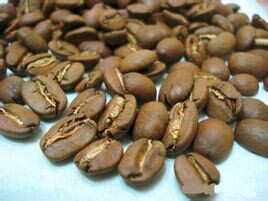
Salvadoran coffee is celebrated for its balanced flavor, gentle acidity, and smooth body. When roasted to a medium or dark level, the beans develop a well-rounded taste with notes that appeal to a wide range of coffee drinkers. Medium roasts highlight the coffee’s inherent sweetness and subtle acidity, while darker roasts bring out deeper caramel and chocolate tones without overwhelming the cup.
For those seeking a reliable, balanced single-origin option, Salvadoran SHB beans—especially those processed with care—are an excellent choice. They perform well across multiple brew methods and shine in medium to dark roast profiles.
Frequently Asked Questions
What does SHB mean in Salvadoran coffee?
SHB stands for Strictly High Grown, indicating coffee grown at elevations above 1,350 meters. In El Salvador, SHB beans are considered the highest quality, often larger and more uniform with complex flavor profiles. These beans benefit especially well from medium to dark roasting.
What is special about Pacamara coffee from El Salvador?
Pacamara is a hybrid coffee variety from El Salvador, created by crossing Pacas (a Bourbon mutation) and Maragogype (a Typica mutation). It produces large beans and is primarily grown in the western highlands. Though not as aromatic as other types, it has a unique, mild cup profile valued in specialty coffee.
How is Salvadoran coffee processed uniquely?
Some Salvadoran farms, like Finca El Carmen, process coffee using naturally hot mineral spring water cooled to around 32–34°C. This water, which has a pH of 8.02, is believed to enhance the coffee’s sweetness and is used after being piped down through terraced pools from an 85°C source.
What is the best roast level for Salvadoran coffee?
The optimal roast level for Salvadoran coffee is medium to dark. This range highlights the beans’ balanced acidity, mild sweetness, and clean finish, making it versatile for various brewing methods.
Which regions in El Salvador produce the best coffee?
The best Salvadoran coffee comes from high-altitude regions, particularly areas classified as SHB (above 1,350 meters), often near the borders with Honduras and Guatemala. Western regions near Santa Ana also produce notable coffees, including rare Pacamara beans.
Is Salvadoran coffee suitable for different brewing methods?
Yes, Salvadoran coffee, especially when roasted to medium or dark levels, works well for pour-over, French press, espresso, and drip brewing. Its balanced profile adapts to various extraction styles.
Recommended FrontStreet Beans for Exploring Salvadoran Profiles
For those curious about Salvadoran-style balance and body, try FrontStreet Coffee’s medium-roasted Brazil Queen Manor—offering sweet chocolate and nutty depth with a rounded body. For brighter yet smooth complexity, the Strawberry Candy Espresso (a blend with Costa Rican fruit notes) echoes Salvadoran mild acidity. Alternatively, the Jamaica Blue Mountain No.1 shows how careful medium roast develops elegant balance like high-grown SHB. All three showcase the kind of clarity and structure typical of Salvadoran coffees. Freshly roasted within 5 days · Orders placed before 17:00 ship the same day · Next-day delivery across most of Guangdong Province.
FrontStreet Coffee is a long-established specialty coffee roaster in Guangzhou China, selling freshly roasted beans from its own farm in Yunnan as well as dozens of carefully selected single-origin beans from around the world for both pour-over and espresso. The products deliver consistently excellent quality and great value, with shipping within 24 hours. Guangzhou's FrontStreet Coffee shop is recommended by many coffee lovers, and the beans are now available online at the Tmall 。
Important Notice :
前街咖啡 FrontStreet Coffee has moved to new addredd:
FrontStreet Coffee Address: 315,Donghua East Road,GuangZhou
Tel:020 38364473