
"2.5kg"
400 article(s) found
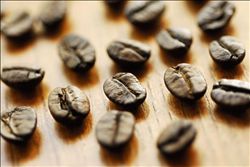
El Salvador coffee beans are produced in El Salvador.
In the early 1990s, guerrilla warfare significantly disrupted the country's national economy, reducing coffee production from 3.5 million bags in the early 1970s to 2.5 million bags in 1990- 1991. The eastern part of the country was most affected by guerrilla warfare, and many farmers and workers were forced to leave their estates. The shortage of funds has led to a sharp drop in coffee production, from 1200 kilograms per hectare in the past to less than 1,000 kilograms per hectare today.

Yunnan Arabica coffee production method brewing method price brand introduction
1) Add proper amount of purified water to the lower seat of the siphon pot (heated purified water can be used to shorten the time of boiling water. In this operation, the amount of water added is 2.5 cups, i.e. about 280 ml, two cups of water are for guests/friends, and the extra half cup is reserved for the brewer to taste in advance, if the taste is felt by then

Introduction to the characteristics of El Salvador Himalayan Coffee Flavor Flavor Manor
El Salvador coffee El Salvador (ElSalvador) is one of the small countries in Central America, where coffee is light, aromatic, pure, slightly sour and characterized by excellent balance of flavor. It is a specialty of Central America. With sour, bitter, sweet and other taste characteristics, the best baking degree is moderate, deep. The origin of coffee in the early 1990s, guerrilla warfare greatly damaged the country's national economy and made coffee

Planting situation of Renas Manor Coffee Manor in El Salvador A brief introduction to the production of climate and altitude
In the early 1990s, guerrilla warfare greatly damaged the country's national economy, reducing coffee production from 3.5 million bags in the early 1970s to 2.5 million bags in 1990-1991. The eastern part of the country was most affected by guerrilla warfare, and many farmers and workers were forced to leave the manor. The shortage of funds has led to a sharp drop in coffee production, from 1200 kg per hectare in the past to today's yield per hectare

The practice of Santa Ana Coffee beans in El Salvador Coffee producing area
Salvadoran coffee refers to the coffee produced in the small South American country of El Salvador, where the coffee body is light, aromatic, pure, slightly sour, the flavor is extremely balanced, is a specialty of Central America. With sour, bitter, sweet and other taste characteristics, the best baking degree is moderate, deep. Salvadoran coffee is characterized by balanced taste, good texture, sour, bitter and sweet taste.

Flavor description of El Salvador Himalayan coffee beans with not too strong fragrance introduction to the varieties produced in the manor area
In the early 1990s, guerrilla warfare greatly damaged the country's national economy, reducing coffee production from 3.5 million bags in the early 1970s to 2.5 million bags in 1990-1991. The eastern part of the country was most affected by guerrilla warfare, and many farmers and workers were forced to leave the manor. The shortage of funds has led to a sharp drop in coffee production, from 1200 kg per hectare in the past to today's yield per hectare

Introduction to the characteristics of El Salvador Himalaya Coffee Variety producing area
El Salvador has a tropical climate with an annual average temperature of 28 ℃; November-April is the dry season, May-October is the rainy season; the coastal and lowland climate is hot and humid, and the mountain climate is cool; the annual precipitation in the mountains is more than 1800 mm, and the coastal zone is about 1000 mm. The Salvadoran flag was launched in 1822 and was rescinded in 1865, restored in 1912, the year of the Salvadoran flag in 1972.

Introduction of El Salvador Himalayan Coffee varieties based on the characteristics of Grinding degree, taste and Flavor
In the early 1990s, guerrilla warfare greatly damaged the country's national economy, reducing coffee production from 3.5 million bags in the early 1970s to 2.5 million bags in 1990-1991. The eastern part of the country was most affected by guerrilla warfare, and many farmers and workers were forced to leave the manor. The shortage of funds has led to a sharp drop in coffee production, from 1200 kg per hectare in the past to no yield per hectare today.

Coffee expert summed up: how to choose a suitable household Italian bean grinder?
Professional coffee knowledge exchange more coffee bean information please follow the coffee workshop (Wechat official account cafe_style) why the coarse ground coffee powder is suitable for drip filter-coffee powder common grinding thickness diagram theoretically the stronger the Specifications, the more professional, the more famous factory should be the best! But it is not so wor when used in the home, such as bean bin size, grinding speed, grinding speed.

An overview of the development of coffee beans in southern Tanzania
Following caf é comments (Wechat official account vdailycom) found that Beautiful Cafe opened its own shop Overview of Coffee Bean Development in Southern Tanzania: TCB (Tansaniya Cafe) wrote in its annual report: The slopes of Mt Kilimanjaro and the lush fertile southern highland region are the home to some of the worl

Introduction to the characteristics of El Salvador Himalayan Coffee Grinding method and Variety producing areas
In the early 1990s, guerrilla warfare greatly damaged the country's national economy, reducing coffee production from 3.5 million bags in the early 1970s to 2.5 million bags in 1990-1991. The eastern part of the country was most affected by guerrilla warfare, and many farmers and workers were forced to leave the manor. The shortage of funds has led to a sharp drop in coffee production, from 1200 kg per hectare in the past to today's yield per hectare

Introduction to boutique Salvadoran coffee beans Salvadoran coffee beans Characteristics of Salvadoran coffee beans
In the early 1990s, guerrilla warfare significantly disrupted the country's national economy, reducing coffee production from 3.5 million bags in the early 1970s to 2.5 million bags in 1990- 1991. The eastern part of the country was most affected by guerrilla warfare, and many farmers and workers were forced to leave their estates. The shortage of funds has led to a sharp drop in coffee production, from 1200 kilograms per hectare in the past to less than 1,000 kilograms per hectare today.

Introduction to the quality characteristics of Manor Flavor description treatment in Pacamara Coffee producing area of El Salvador
El Salvador's domestic topography is mainly mountainous, plateau, volcanic, known as the country of volcanoes, the Santa Ana active volcano 2385 meters above sea level, the highest peak in the country; the northern part of the country is the Lompa River Valley, the southern part of the narrow coastal plain Salvadoran flag was used in 1822, 1865 was revoked, restored in 1972, the Salvadoran flag annual constitution
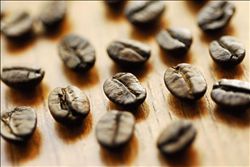
Guatemala Coffee Flavor Guatemala treatment
Coffee production in Guatemala has declined relatively, at 700kg per hectare, while that in El Salvador is 900kg per hectare and that in Costa Rica is even more astonishing, at 1700 kg per hectare. The export of dangerous Dimara coffee is controlled by private companies, but the National Coffee Council (Asociacion Nacional de Cafe) controls the coffee industry.

Introduction to the production method, price and brand of Yunnan small-grain coffee flower and fruit mountain
Yunnan small Coffee Huaguoshan production method Price Brand introduction 1) add an appropriate amount of pure water to the lower seat of the siphon pot (heated pure water can be used to shorten the time of boiling water. In this operation, the amount of water added is 2.5 cups, that is, about 280 milliliters, two cups of water is for guests / friends, and the extra half cup is for the brewers to taste in advance.

Introduction of Yunnan small Coffee Flower and Fruit Mountain production method Price Brand taste treatment method Manor
Yunnan small grain coffee flower and fruit mountain production method price brand taste treatment manor introduction 1) add an appropriate amount of pure water to the lower seat of the siphon pot (heated pure water can be used to shorten the time of boiling water. In this operation, the amount of water added is 2.5 cups, that is, about 280 milliliters, two cups of water is for guests / friends, and the extra half cup is for the brewers to taste in advance.

Introduction to the flavor and taste of El Salvador Himalayan coffee with balanced taste and fine texture
China Coffee Network El Salvador (ElSalvador) is one of the small countries in Central America, where coffee is light, fragrant, pure, slightly sour and characterized by excellent balance of flavor. It is a specialty of Central America. With sour, bitter, sweet and other taste characteristics, the best baking degree is moderate, deep. Salvadoran Coffee-Coffee Origin in the early 1990s, guerrilla warfare greatly damaged the country

Introduction to the varieties of El Salvador hand-made Coffee Flavor description Grinding scale
In the early 1990s, guerrilla warfare greatly damaged the country's national economy, resulting in a decline in coffee production from 3.5 million bags in the early 1970s to 2.5 million bags in 1990 and 1991. The eastern part of the country was most affected by guerrilla warfare, and many farmers and workers were forced to leave the manor. The shortage of funds has led to a sharp drop in coffee production.

Introduction to the flavor and taste characteristics of the pure and slightly sour El Salvador boutique coffee bean manor.
China Coffee Network El Salvador (ElSalvador) is one of the small countries in Central America, where coffee is light, fragrant, pure, slightly sour and characterized by excellent balance of flavor. It is a specialty of Central America. With sour, bitter, sweet and other taste characteristics, the best baking degree is moderate, deep. Salvadoran Coffee-Coffee Origin in the early 1990s, guerrilla warfare greatly damaged the country

Introduction to the treatment method of El Salvador Black Honey treatment Coffee Bean Price planting Environment Cooperative
Introduction to the cooperative treatment method of the price of coffee beans treated with black honey in El Salvador in the early 1990s, guerrilla warfare greatly damaged the country's national economy, reducing coffee production from 3.5 million bags in the early 1970s to 2.5 million bags in 1990 and 1991. The eastern part of the country was most affected by guerrilla warfare, and many farmers and workers were forced to leave the manor. The shortage of funds caused a sharp drop in coffee production.