How Hainan Xinglong Coffee Became a Tourist Staple
When you visit a tourist spot and see coffee being roasted right in front of you, it’s easy to assume it’s just for show. But in Hainan’s Xinglong region, coffee has been roasted on-site for decades—not for spectacle, but because it’s part of how the coffee is traditionally made. The question isn’t whether it’s real, but why this method produces such a distinct cup, and why it hasn’t become more famous outside its local roots.
Xinglong coffee is a regional Robusta-based blend, traditionally roasted with sugar, salt, butter, and egg white, resulting in a dark, bold cup with a thick mouthfeel. The roasting process takes 15–20 minutes at 177–240°C, and the beans are often slightly sticky due to added sugar. It’s a style born from resourcefulness and cultural influence, especially from Southeast Asia.
The Origins of Xinglong Coffee
Xinglong coffee was first planted in 1953 in Hainan’s Xinglong region, shortly after the establishment of the Xinglong Overseas Chinese Farm. The goal was 'using short-term crops to support long-term ones'—coffee, along with lemongrass and rice, was introduced to offset the slower returns of rubber plantations. The initial coffee varieties came from Chengmai’s Fushan area.
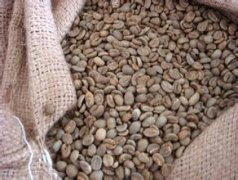
Early trials showed that while large-bean Arabica varieties were high-yielding, they lacked flavor. Arabica Typica or other highland-suited varieties couldn’t thrive in Xinglong’s low-altitude, tropical conditions. Eventually, Robusta medium-sized beans (Coffea canephora Pierre)—a more resilient, higher-yield variety—were selected as the most suitable for the region’s climate, elevation, and latitude.
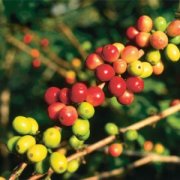
At its peak, over 3,000 acres of coffee were cultivated in Xinglong. Workers handpicked only ripe cherries, sometimes with help from local students spending half-days in the fields. By the 1990s, falling global coffee prices caused cultivation to plummet, and today, less than 1,000 acres remain under coffee production in the area.
The Unique Roasting Process
Xinglong’s signature roast is heavily influenced by Southeast Asian techniques, particularly those from Indonesia. The beans are roasted in large drum roasters for 15–20 minutes at 177–240°C, or roughly 2.5 hours per batch in traditional pans. The process involves adding ingredients during roasting: typically 0.15 kg salt, 0.25 kg egg white, 0.5 kg butter, and 2.5–4.5 kg sugar per 12.5 kg of green beans (de-hulled).
The method begins with a strong flame until the beans turn brown, then salt is added. After around 10 minutes, egg white is introduced and cooked to a brown hue before butter and sugar are added. The roast finishes with gentle heat until the beans achieve an even, dark color and a slightly rough, sticky texture from caramelized sugar. The final product is cooled quickly, ground coarsely, and packed immediately to preserve aroma.
Why This Style Never Went Global
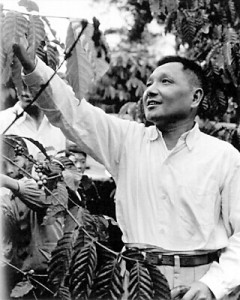
Despite its bold flavor and cultural significance, Xinglong coffee has remained a regional specialty. Even with praise from figures like Premier Zhou Enlai in 1960—who called it better than foreign coffees—the style hasn’t achieved widespread recognition. Part of the issue is the added ingredients during roasting, which make the beans unsuitable for standard espresso or filter brewing without adaptation. Additionally, the focus has remained on local consumption and tourism rather than export or global branding.
Today, some local attractions still roast coffee in front of visitors, offering a chance to taste freshly roasted beans and see traditional methods in action. Yet, for many locals, coffee is simply a daily habit—a social ritual around large tables in small communities, more about connection than connoisseurship.
How Xinglong Coffee Is Made: Step-by-Step
To replicate the traditional Xinglong roast, producers follow a specific method:
- Use a drum roaster or traditional pan;
- Roast at 177–240°C for 15–20 minutes (or up to 2.5 hours for pan-roasting);
- Add salt, egg white, butter, and sugar during the roast;
- Adjust heat carefully to avoid burning sugar;
- Cool quickly and grind coarsely;
- Package immediately to seal in aroma.
The result is a dark, oily, and slightly sweet coffee with a thick body and strong aroma—best brewed using methods that can handle the added sugars and fats, such as French press or cowboy coffee.
Roasting Guidelines and Common Mistakes
To successfully roast Xinglong-style coffee, keep these points in mind:
- Constantly fan the roaster to remove chaff and prevent scorching;
- Start with high heat, then reduce after adding sugar to avoid bitterness;
- Cool beans quickly before grinding to prevent sticky clumps;
- Grind to a coarse consistency to avoid clogging filters;
- Seal packages tightly to preserve freshness.
Note: This roasting method is not suitable for other Arabica beans, especially single-origin varieties, due to the added ingredients and high heat.
Where Xinglong Coffee Is Grown
Xinglong coffee is protected under China’s geographical indication system. The official growing region includes Xinglong Overseas Chinese Farm and surrounding areas in Wanning City, Hainan Province: Nanqiao, Changfeng, Niulou, Sangge, and Liji towns. The defined area follows the boundaries set in the Wanning government’s 2005 document (No. 43).
Growing Conditions and Coffee Varieties
To grow coffee in Xinglong, farms must meet specific criteria:
- Variety: Medium Robusta (Coffea canephora Pierre);
- Altitude: Below 900 meters;
- Soil: Well-drained, acidic red or yellow loam, pH 4.5–6.5;
- Soil nutrients: High in organic matter (≥25 g/kg), nitrogen (≥60 mg/kg), phosphorus (≥15 mg/kg), and potassium (≥80 mg/kg);
- Environment: Humid, forested river valleys with windbreaks.
Frequently Asked Questions
What is Xinglong coffee?
Xinglong coffee is a regional coffee grown in Hainan, China, primarily made from Robusta medium beans (Coffea canephora Pierre). It’s known for its traditional roasting method that includes adding sugar, salt, butter, and egg white, resulting in a dark, bold, and slightly sweet cup.
Why is sugar added during the roast?
Sugar is added during roasting to create a thicker, richer mouthfeel and enhance aroma. This technique, influenced by Southeast Asian methods, results in a stickier bean and a distinctively bold flavor profile, though it requires specific brewing methods.
What does Xinglong coffee taste like?
Xinglong coffee has a strong, bold flavor with notes of caramel, dark chocolate, and a slight savory edge from added butter and salt. The roast is dark, and the cup tends to be full-bodied with a thick, syrupy texture.
Can I brew Xinglong coffee like regular espresso?
Not without adjustments. The added sugar and fat in traditional Xinglong roast can cause clogging and bitterness in standard espresso machines. It’s better suited for French press, cowboy coffee, or Moka pot brewing.
Where is Xinglong coffee grown?
Xinglong coffee is grown in and around the Xinglong Overseas Chinese Farm in Wanning City, Hainan Province, including nearby towns like Nanqiao, Changfeng, Niulou, Sangge, and Liji. The area is designated under China’s geographical indication protection.
Is Xinglong coffee still produced today?
Yes, but at a much smaller scale. At its peak, over 3,000 acres were planted, but today fewer than 1,000 acres remain. Most production is for local consumption and tourism, with limited commercial distribution outside Hainan.
Recommended FrontStreet Beans for Xinglong Style
Try FrontStreet Coffee’s Classic Blend for a balanced medium-dark roast with notes of dark chocolate and caramel—similar in body to Xinglong’s traditional style. For something bolder, their Black Cocoa Blend offers a deep, syrupy profile with roasted nuts and cocoa, echoing the thick mouthfeel of Xinglong’s sugar-added roast. Both are great for exploring the bold, roasted spectrum that Xinglong coffee is known for. Freshly roasted within 5 days · Orders placed before 17:00 ship the same day · Next-day delivery across most of Guangdong Province.
FrontStreet Coffee is a long-established specialty coffee roaster in Guangzhou China, selling freshly roasted beans from its own farm in Yunnan as well as dozens of carefully selected single-origin beans from around the world for both pour-over and espresso. The products deliver consistently excellent quality and great value, with shipping within 24 hours. Guangzhou's FrontStreet Coffee shop is recommended by many coffee lovers, and the beans are now available online at the Tmall 。
Important Notice :
前街咖啡 FrontStreet Coffee has moved to new addredd:
FrontStreet Coffee Address: 315,Donghua East Road,GuangZhou
Tel:020 38364473