Indonesia's Sulawesi Coffee: Flavor & Origins Explained
If you’ve ever wondered why Sulawesi coffee feels so different—earthy, herbal, and low in acidity but rich in body—you’re not alone. Many specialty coffee drinkers are drawn to its unique profile but unsure why it stands apart from other Indonesian coffees like Sumatra or Java. This article unpacks what makes Sulawesi coffee distinct, where it comes from, and how it’s processed to deliver that signature taste.
Sulawesi (formerly Celebes) coffee is prized for its low acidity, bold body, and herbal complexity. Grown mainly at 1,600–1,800 meters in small family farms, it’s processed via semi-washed (giling basah) methods, yielding a thick, syrupy cup with earthy and spicy undertones. Key regions include Toraja and the Toarco plantation, with beans like Kalossii (a Typica variant) leading in demand.
Where Is Sulawesi Coffee Grown?
Sulawesi, one of Indonesia’s largest islands, lies in the country’s east and is divided into North and South Sulawesi provinces. The island’s average elevation exceeds 500 meters due to tectonic uplift, creating ideal highland conditions for coffee cultivation. The primary coffee-growing regions include the mountainous Toraja area (1,200 meters) and the Toarco estate in the North Toraja highlands, ranging from 900 to 1,250 meters above sea level.
What Makes Sulawesi Coffee Different?
Sulawesi coffee is known for its full body, low acidity, and complex herbal flavors. The beans—mostly the large Kalossii variety, a local Typica mutation—are processed using a semi-washed (giling basah) method. This involves drying the coffee cherries until semi-dry, then pulping and fermenting them, resulting in a heavy mouthfeel and earthy, tea-like qualities. The cup often carries notes reminiscent of New Guinea’s Sigri region, with a smooth, syrupy texture and subtle sweetness.
The flavor profile is less acidic than many other Indonesian coffees, favoring a soft, clean finish with herbal and sometimes spicy undertones. It’s less bright but richer in mouthfeel, making it highly sought after for those who enjoy a deep, grounding cup.
Notable Growing Regions and Processing
Two key areas define Sulawesi coffee production:
- Toraja: Located in the southwestern highlands at around 1,200 meters, Toraja produces some of Sulawesi’s most celebrated beans. These coffees are known for a delicate balance of earthiness and herbal notes, with a smooth, velvety body.
- Toarco Estate (North Toraja): Situated between 900–1,250 meters, Toarco’s coffee is distinct for its tropical fruit aromas—especially mango and apricot—paired with a rustic yet sweet profile. The cup includes floral hints and a milk chocolate finish. Its processing follows traditional wet methods, resulting in a clean yet full-bodied experience.
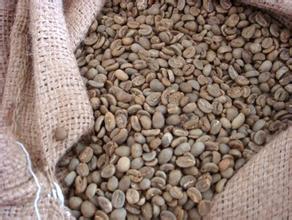
The semi-washed (giling basah) technique used across Sulawesi gives the beans their signature dark green color and contributes to the heavy body and muted acidity. Farmers typically sun-dry the cherries to a semi-dry state before pulping, ensuring a long-lasting, syrupy extraction.
Toarco Wet-Processed Coffee Profile
The Toarco coffee from North Toraja, produced at altitudes between 900–1,250 meters, offers a unique sensory profile among Indonesian coffees. Though still an island coffee, it departs from the norm with prominent fruity and floral notes:
- Dry Aroma: 3.8/5
- Wet Aroma: 3.8/5
- Acidity (Brightness): 8.4/10
- Flavor Complexity: 8.8/10
- Body/Mouthfeel: 3.2/5
- Aftertaste: 8.3/10
- Balance: 1/5
- Base Score: 50/50
- Total Score: 87.3/100
- Intensity: Medium
- Main Attributes: Floral notes, creamy finish, chocolate tones
- Recommended Roast Level: City+
- Overall Impression: Unlike typical Indonesian coffees, Toarco’s offering showcases a more vibrant, fruit-forward character with sweet milk chocolate and floral undertones. It retains the signature Sulawesi body but adds a surprising brightness and elegance.
This lot, produced by the Toarco estate, highlights the diversity within Sulawesi’s offerings and proves the region’s potential for producing uniquely refined profiles.
Frequently Asked Questions
What is special about Sulawesi coffee?
Sulawesi coffee is known for its low acidity, full body, and herbal, earthy flavors. It is mostly processed using a semi-washed (giling basah) method, which contributes to its thick mouthfeel and smooth, sometimes spicy profile. The beans often have a dark green appearance and are grown at high altitudes, typically between 1,600–1,800 meters.
Where is Sulawesi coffee grown in Indonesia?
Sulawesi coffee is primarily grown in the mountainous regions of North and South Sulawesi, especially in areas like Toraja (around 1,200 meters) and the Toarco estate (900–1,250 meters). These high-elevation regions provide ideal conditions for cultivating hardy Typica-based coffee varieties.
What is the Kalossii coffee bean variety?
Kalossii is a large-bean variety of coffee grown in Sulawesi, considered a local mutation of the Typica variety. It is commonly used in the region’s semi-washed processing and is valued for its bold, earthy cup profile and contribution to Sulawesi’s distinctive flavor reputation.
How is Sulawesi coffee processed?
Most Sulawesi coffee, including Kalossii beans, is processed using a semi-washed (giling basah) method. This involves drying the coffee cherries to a semi-dry state, removing the pulp, and then allowing further fermentation. This process enhances body and reduces acidity while imparting earthy and herbal characteristics.
What does Sulawesi coffee taste like?
Sulawesi coffee typically tastes low in acidity with a full, syrupy body. Common flavor notes include herbs, spices, tropical fruit (in wet-processed lots), and subtle sweetness. The cup is often smooth and clean, with a lingering earthy or chocolatey finish.
Which Sulawesi coffee region is best known?
The Toraja region is the most renowned for Sulawesi coffee, producing beans with a delicate balance of herbal, earthy, and sometimes floral notes. The Toarco estate in North Toraja also produces distinctive wet-processed coffee with fruity and chocolatey attributes.
Recommended FrontStreet Beans for Sulawesi Fans
If you enjoy Sulawesi’s low-acidity, full-bodied profile, try FrontStreet’s Lintong Mandheling, a classic Indonesian single origin grown at 1,100–1,600 meters with spicy, earthy, and caramel notes. For a brighter option with similar weight, the PWN Golden Mandheling offers intense toast, baker’s chocolate, and sweet undertones, meticulously hand-sorted for clarity. Both beans showcase the herbal depth and syrupy body characteristic of high-elevation Indonesian coffees. Freshly roasted within 5 days · Orders placed before 17:00 ship the same day · Next-day delivery across most of Guangdong Province.
FrontStreet Coffee is a long-established specialty coffee roaster in Guangzhou China, selling freshly roasted beans from its own farm in Yunnan as well as dozens of carefully selected single-origin beans from around the world for both pour-over and espresso. The products deliver consistently excellent quality and great value, with shipping within 24 hours. Guangzhou's FrontStreet Coffee shop is recommended by many coffee lovers, and the beans are now available online at the Tmall 。
Important Notice :
前街咖啡 FrontStreet Coffee has moved to new addredd:
FrontStreet Coffee Address: 315,Donghua East Road,GuangZhou
Tel:020 38364473