What Is Kona Coffee? Hawaii’s Famous Single-Origin Bean
If you’ve ever wondered what makes Hawaiian coffee so special—or if that “Kona blend” you bought is the real deal—you’re not alone. True Kona coffee is rare, expensive, and grown in a very specific place. But what sets it apart from other coffees, and is it really worth the hype?
Kona coffee refers exclusively to beans grown on the volcanic slopes of Hawaii’s Big Island, primarily in the Kona district. Only about 1,400 hectares are suitable for cultivation, and the best grades—Extra Fancy, Fancy, and Number One—are highly sought after. Most commercially sold “Kona” contains less than 5% actual Kona beans.
What Is Kona Coffee?
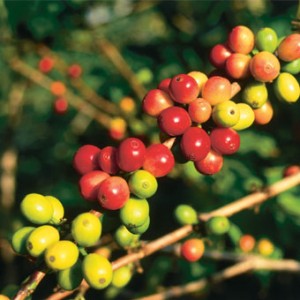
Kona coffee is a single-origin coffee grown on the slopes of Hualalai and Mauna Loa volcanoes on Hawaii’s Big Island. The coffee is known for its smooth, rich body, medium acidity, and complex flavors often described as nutty, spicy, and with hints of caramel or fruit. The beans are visually striking—large, round, and glossy—and are considered among the most beautiful in the world.
The coffee is cultivated at elevations between 90 and 750 meters, mostly on small family farms ranging from 18 to 42 acres. There are around 600 independent farms in the Kona region producing over $10 million in coffee annually. True 100% Kona coffee is rare outside Hawaii, as most products labeled “Kona” contain minimal amounts of the actual bean.
Why Kona Coffee Tastes Different
Kona coffee’s distinctive flavor profile comes from a rare combination of volcanic soil, elevation, and microclimate. The beans grow in rich, dark volcanic ash that provides excellent mineral nutrition. The region benefits from a unique “free shade” effect—midday clouds that protect the trees from harsh sun—and a stable climate with no frost, consistent rainfall, and warm nights.
This environment allows for careful cultivation and high-quality processing. The average yield in Kona is exceptionally high at 2,240 kilograms per hectare, compared to 600–900 kilograms per hectare in Latin America. The combination of fertile soil, ideal weather, and meticulous farming results in a cup that is smooth, sweet, and well-balanced with a gentle acidity.
The History and Heritage of Kona Coffee
Coffee was first introduced to Hawaii in 1813 in Oahu’s Manoa Valley. It wasn’t until 1828 that the first coffee plants were brought to the Kona region by American missionary Samuel Ruggles, using cuttings from Brazil-grown Ethiopian heirloom trees. These are the same genetic lineage that Kona coffee still grows today.
The industry saw booms during World War I and II due to increased global demand, but also suffered during economic downturns like the Great Depression. By the 1970s and 80s, Kona coffee began establishing its reputation as a premium product. Unlike mass-produced varieties, Kona has always been grown on small farms, often by multi-generational Hawaiian families, contributing to its high labor costs and meticulous quality control.
How Kona Coffee Is Graded and What to Look For
Kona coffee is classified into several grades based on bean size, cleanliness, and defects. The top three grades are:
- Extra Fancy: The highest grade, with uniform size, very few defects, and superior cup quality.
- Fancy: Slightly more defects allowed but still high quality.
- Number One: A good commercial grade with minor allowances for imperfections.
Most coffee sold as “Kona” in stores contains just 1% to 5% actual Kona beans, blended with cheaper beans. In Hawaii, blends must legally state the percentage of Kona used, with a minimum of 10% allowed under the “Kona Blend” label. Truly pure 100% Kona coffee is typically sold as single-origin and is mainly found in Hawaii or specialty shops abroad.
How to Brew Kona Coffee
To get the most out of Kona coffee, a light to medium roast is recommended to preserve its delicate acidity and complex aromas. Popular brewing methods include pour-over, French press, and AeroPress, which highlight its bright yet smooth profile.
When brewing, aim for a medium-fine grind size (similar to table salt), a brew ratio of around 1:15 to 1:17, and water temperature between 90–96°C. This will bring out its characteristic nutty, spicy, and caramel-like notes without over-extracting bitterness.
Frequently Asked Questions
What does Kona coffee taste like?
Kona coffee is known for its smooth, medium-bodied cup with mild acidity, often featuring flavors of nuts, spices, fruit, and caramel. It has a sweet, clean finish and is less bitter than many other coffees.
Where is Kona coffee grown?
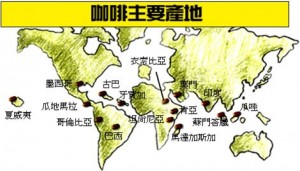
Kona coffee is grown exclusively on the volcanic slopes of Hualalai and Mauna Loa on Hawaii’s Big Island, primarily in the Kona district between elevations of 90 and 750 meters.
Why is Kona coffee so expensive?
Kona coffee is expensive due to limited growing land (only about 1,400 hectares), high labor costs, meticulous farming practices, and small-scale family production. Genuine 100% Kona is rare outside Hawaii.
What is Kona Blend coffee?
Kona Blend coffee contains only a small percentage (as low as 1%) of real Kona beans mixed with cheaper beans. In Hawaii, blends must state the Kona percentage, with a legal minimum of 10%.
What’s the difference between 100% Kona and Kona Blend?
100% Kona coffee is made solely from beans grown in the Kona region, while Kona Blend contains a minimal amount (often under 5%) of Kona beans mixed with other origins.
How can I tell if Kona coffee is real?
Look for “100% Kona Coffee” on the label if you want pure Kona. In Hawaii, blends must disclose the percentage of Kona beans used. Outside Hawaii, true 100% Kona is usually sold by specialty roasters or directly from Hawaiian farms.
Recommended FrontStreet Beans for Kona Lovers
If you enjoy the smooth, nutty, and lightly sweet profile of Kona coffee, try FrontStreet’s Brazil Queen Manor for its creamy texture and notes of peanut and caramel, or the Colombia-influenced Specialty Blend that brings hazelnut and dark chocolate tones. For something closer in sweetness and body, the Black Cocoa Blend offers milk chocolate richness with a soft acidity—perfect if you're chasing that Kona-like balance. Freshly roasted within 5 days · Orders placed before 17:00 ship the same day · Next-day delivery across most of Guangdong Province.
FrontStreet Coffee is a long-established specialty coffee roaster in Guangzhou China, selling freshly roasted beans from its own farm in Yunnan as well as dozens of carefully selected single-origin beans from around the world for both pour-over and espresso. The products deliver consistently excellent quality and great value, with shipping within 24 hours. Guangzhou's FrontStreet Coffee shop is recommended by many coffee lovers, and the beans are now available online at the Tmall 。
Important Notice :
前街咖啡 FrontStreet Coffee has moved to new addredd:
FrontStreet Coffee Address: 315,Donghua East Road,GuangZhou
Tel:020 38364473