
"200000"
789 article(s) found

Coffee producing area Coffee introduction to Angola
Once a big coffee producer, the future is now uncertain. In the mid-1970s, Angola exported 3.5 million bags of coffee a year, 98 per cent of which was Roberts (probably the best in Africa), but total production fell to 200000 bags in 1990. The best brands in Angola used to be Ambriz, Amborm and Nov
Angola Coffee recommended by Fine Coffee Bean producing countries
Once a big coffee producer, the future is now uncertain. In the mid-1970s, Angola exported 3.5 million bags of coffee a year, 98 per cent of which was Roberts (probably the best in Africa), but total production fell to 200000 bags in 1990. The best brands in Angola used to be Ambriz, Amborm and Nov

Boutique coffee beans knowledge coffee producing area Angola
In the mid-1970s, Angola (Angola) exported 3.5 million bags of coffee a year, 98 per cent of which was Robbins (probably the best in Africa), but total production fell to 200000 bags in 1990. The best brands in Angola used to be Ambriz, Amborm and Novo Redondo, all of which are consistent

Angolan coffee used to be a big coffee producer.
Once a big coffee producer, the future is now uncertain. In the mid-1970s, Angola exported 3.5 million bags of coffee a year, 98 per cent of which was Roberts (probably the best in Africa), but total production fell to 200000 bags in 1990. The best brands in Angola used to be Ambriz, Amborm and Nov

Basic knowledge of Angolan fine coffee beans from coffee producing area
In the mid-1970s, Angola (Angola) exported 3.5 million bags of coffee a year, 98 per cent of which was Robbins (probably the best in Africa), but total production fell to 200000 bags in 1990. The best brands in Angola used to be Ambriz, Amborm and Novo Redondo, all of which are consistent

Angola, once a big coffee producer.
Once a big coffee producer, the future is now uncertain. In the mid-1970s, Angola exported 3.5 million bags of coffee a year, 98 per cent of which was Roberts (probably the best in Africa), but total production fell to 200000 bags in 1990. The best brands in Angola used to be Ambriz, Amborm and Novo

Angola used to be a big coffee producer
Once a big coffee producer, the future is now uncertain. In the mid-1970s, Angola exported 3.5 million bags of coffee a year, 98 per cent of which was Roberts (probably the best in Africa), but total production fell to 200000 bags in 1990. The best brands in Angola used to be Ambriz, Amborm and Nov

Drinking coffee contributes to longevity, and coffee is good for human health.
Coffee lovers pay attention, drinking coffee may help to live a long life. The Harvard School of Public Health studied nearly 200000 well-educated middle-class people and found that people who drank three to five cups of coffee a day were 15 per cent less likely to die early than those who did not drink coffee. Not only that, they died of cardiovascular disease.
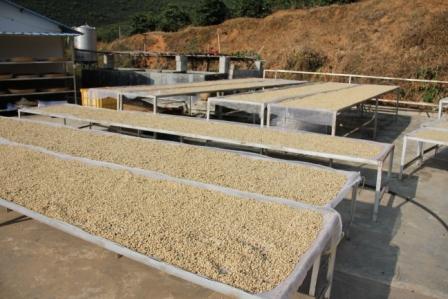
The characteristic coffee of Arabica beans Angola coffee beans
Angola, once a big coffee producer, now has an uncertain future. In the mid-1970s, Angola (Angola) exported 3.5 million bags of coffee a year, 98 per cent of which was Robbins (probably the best in Africa), but total production fell to 200000 bags in 1990. The best brands in Angola used to be Ambriz, Amborm, and New

Arabica Coffee beans introduce the characteristics of Arabica coffee beans Angola
Angola, once a big coffee producer, now has an uncertain future. In the mid-1970s, Angola (Angola) exported 3.5 million bags of coffee a year, 98 per cent of which was Robbins (probably the best in Africa), but total production fell to 200000 bags in 1990. The best brands in Angola used to be Ambriz, Amborm, and New

Arabica Fine Coffee beans introduction to the style and characteristics of Arabica Coffee
Angola, once a big coffee producer, now has an uncertain future. In the mid-1970s, Angola (Angola) exported 3.5 million bags of coffee a year, 98 per cent of which was Robbins (probably the best in Africa), but total production fell to 200000 bags in 1990. The best brands in Angola used to be Ambriz, Amborm, and New
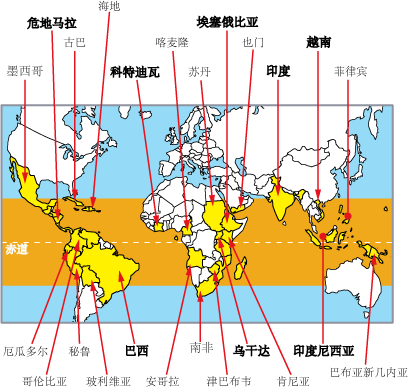
A big coffee producer, Robert's Coffee, Ambry Ambalem and New Ridondu Coffee beans
Angola, once a big coffee producer, now has an uncertain future. In the mid-1970s, Angola (Angola) exported 3.5 million bags of coffee a year, 98 per cent of which was Robbins (probably the best in Africa), but total production fell to 200000 bags in 1990. The best brands in Angola used to be Ambriz, Amborm, and New
Angolan boutique coffee used to be a big coffee producer, but its future is now uncertain.
Once a big coffee producer, the future is now uncertain. In the mid-1970s, Angola (Angola) exported 3.5 million bags of coffee a year, 98 per cent of which was Robbins (probably the best in Africa), but total production fell to 200000 bags in 1990. The best brands in Angola used to be Ambriz, Amborm and No

Angola used to be a big coffee producer, but now its future is uncertain.
Angola, once a big coffee producer, exported 3.5 million bags of coffee a year in the mid-1970s, 98 per cent of which was Roberts (probably the best in Africa), but total production fell to 200000 bags in 1990. The best brands in Angola used to be Ambriz, Amborm and Xinli

Taste characteristics and roasting degree of Angolan coffee
Following Cafe (official Wechat account vdailycom) found that Angola, once a big coffee producer, opened a small shop of its own. In the mid-1970s, Angola (Angola) exported 3.5 million bags of coffee a year, 98 per cent of which were Robbins (probably the best in Africa). In 1990, total production fell to 200000 bags. Ann

The Best Robusta Coffee beans in Africa History of Fine Coffee in Angola
Professional baristas follow the Coffee Workshop (Wechat official account cafe_style) Angola was once a big coffee producer. In the mid-1970s, Angola (Angola) exported 3.5 million bags of coffee a year, 98 per cent of which were robusta (which may be the best robusta coffee in Africa). In 1990, total production fell to 200000 bags. Before Angola

Yunnan Arabica Coffee Huaguoshan Coffee Flavor Description Grind Characteristics Processing Method Taste Introduction
In the south and west of Yunnan, Pu 'er, Xishuangbanna, Wenshan, Baoshan, Dehong, Lincang and other places are the distribution areas of Yunnan Arabica coffee cultivation. As of January 1, 2012, according to the comprehensive survey of Yunnan Province, the coffee planting area in Yunnan has exceeded 800,000 mu, and it is expected that the coffee bean output will exceed 55,000 tons in this period. For the future, the blueprints of state governments in Yunnan have also been drawn:

An introduction to the characteristics of Tieka Coffee Flavor Manor in Yunnan, China
Pu'er, Xishuangbanna, Wenshan, Baoshan, Dehong, Lincang and other places in the south and west of Yunnan are all the distribution areas of small-grain coffee in Yunnan. As of January 1, 2012, according to the comprehensive survey of Yunnan Province, the planting area of coffee in Yunnan has exceeded 800000 mu, and the output of coffee beans in this period is expected to exceed 55000 tons. For the future, the blueprints of local governments in Yunnan have also been drawn up:

An introduction to the characteristics of the Flavor Manor of small Grain Coffee in Yunnan, China
Pu'er, Xishuangbanna, Wenshan, Baoshan, Dehong, Lincang and other places in the south and west of Yunnan are all the distribution areas of small-grain coffee in Yunnan. As of January 1, 2012, according to the comprehensive survey of Yunnan Province, the planting area of coffee in Yunnan has exceeded 800000 mu, and the output of coffee beans in this period is expected to exceed 55000 tons. For the future, the blueprints of local governments in Yunnan have also been drawn up:
China's coffee market has great potential. Coffee industry news boutique coffee.
The huge potential of the coffee market in China the potential of the coffee market is mainly reflected in the large number of consumers who like coffee drinks. First, as a world-class international metropolis, the number of foreigners resident in Shanghai has exceeded 200000, and most of these people's daily drinks are coffee; second, the number of people entering Shanghai every year is more than 5 million, whether it is tourism or business exams.