
"960"
104 article(s) found

Boutique coffee beans introduce Colombian coffee
The Colombian Coffee producers Association (Federacion Nacional de Cafeteos de Clolmbia), known as [FNC] for short in the industry, introduced the two main varieties of Colombian coffee, Kaddura and Colombia. Kaddura, which was introduced from Brazil in the 1960s, now accounts for 45-50% of the country's output and has replaced the earliest Tibica. A new variety with the same name as Colombia [Colombia]
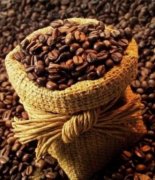
What is the uniqueness of Colombian coffee? Colombian coffee and its
The Colombian Coffee producers Association (Federacion Nacional de Cafeteos de Clolmbia), known as [FNC] for short in the industry, introduced the two main varieties of Colombian coffee, Kaddura and Colombia. Kaddura, which was introduced from Brazil in the 1960s, now accounts for 45-50% of the country's output and has replaced the earliest Tibica. A new breed with the same name as Colombia [Columby]

The unique geographical environment of Colombian coffee
Costa Rican coffee production has been in a tug of war with Vietnam in recent years, but two ○○ three to two ⊙⊙ was squeezed out by Vietnam in seven years, ranking the third largest producer in the world. Costa Rica is determined to regain its position as the second place, and the second ○○ has worked out a plan to increase production in six years, and is determined to increase its annual output from more than 12 million bags to more than 16 million bags within five years, and win back the world runner-up. In the past, Costa Rica paid more attention to the commercial soybean market.

How about Brazilian Minas balanced coffee beans? how about Brazilian Minas coffee acid? why is it not bitter?
For more information on coffee beans, please follow the coffee workshop (Wechat official account cafe_style) Andradas sul de Minas Coffee comes from Fazenda Santa Clara, a 130acre farm located in Andradas, Minas Gerais, Brazil. Fazenda Santa Clara was founded by the Basso family, who started in the 1930s
Processing methods of low caffeine coffee beans
At present, there are three ways to remove caffeine from coffee beans: 1. Water treatment can remove 9496% of the caffeine. 2. Chemical extraction method, early use chloroform (Chloroform), benzene (Benzene) as solvent to extract caffeine, later understand that these chemicals cause cancer, and gradually be replaced by other low-hazard chemicals, but after all, the chemical substances are not natural enough, this method can extract 9.

Coffee beans recommend the unique geographical environment of Colombian coffee.
Costa Rican coffee production has been in a tug of war with Vietnam in recent years, but two ○○ three to two ⊙⊙ was squeezed out by Vietnam in seven years, ranking the third largest producer in the world. Costa Rica is determined to regain its position as the second place, and the second ○○ has worked out a plan to increase production in six years, and is determined to increase its annual output from more than 12 million bags to more than 16 million bags within five years, and win back the world runner-up. In the past, Costa Rica paid more attention to the commercial soybean market.

Colombia Fine Coffee Flavor Aroma Description
At present, most of Colombia's estates adopt the mixed planting model of 70% Kadura and 30% Colombia. Delicious Tibica has disappeared. Colombia's overall coffee variety allocation, roughly presented Kadura 50%, Colombia 30%, Tibica 20%. Colombia is rich in topography, low in latitude and high in altitude, and has excellent conditions for fine coffee growth. Costa Rica's coffee region lies between three and eight degrees north latitude, which is low

Introduction of Colombian coffee boutique coffee beans
The Colombian Coffee producers Association (Federacion Nacional de Cafeteos de Clolmbia), known as [FNC] for short in the industry, introduced the two main varieties of Colombian coffee, Kaddura and Colombia. Kaddura, which was introduced from Brazil in the 1960s, now accounts for 45-50% of the country's output and has replaced the earliest Tibica. A new breed with the same name as Colombia [Columby]

Colombia Coffee Producers Association-Coffee Flavor Description Treatment Quality Introduction
Colombia Coffee Producers Association-Coffee Flavor Description Quality Introduction Large commercial coffee farms are located in the central and northern regions, and are the main commercial bean producing areas, including the central region with a long history of Medlin, Armenia, Manizales (Medilin,Armenia,Manizales), commonly known as [MAM]. The fruit acid flavor is heavy and typical of Central America. but East

Introduction to the characteristics of altitude Flavor description Grade of Colombian Coffee beans
Columbia coffee beans altitude flavor description grade characteristics taste treatment method the world coffee is divided into two series, one is Brazil as the representative of hard coffee, strong flavor; the other is Colombia as the representative of soft coffee, its flavor is light. The difference lies in the altitude of the producing area and the method of planting. Coffee is planted extensively in hilly red soil in Brazil and in mountain black soil in Colombia.

Congolese Coffee | description of the flavor of Congolese coffee in the producing area of Congolese coffee
The political and social unrest in the Congo has had a negative impact on the coffee industry, and the future of the coffee industry in the region and the availability of quality exports remain uncertain. Problems with the police and the Border Bureau mean that there will be delays and additional costs, sometimes in the form of bribes, in order to keep coffee on the market flowing to the border areas where it can be exported. Although it is like
Colombian coffee beans Arabica coffee beans Colombian flavor
Introduction] the Colombian Coffee producers Association (Federacion Nacional de Cafeteos de Clolmbia), known as [FNC] for short in the industry, introduced the two main varieties of Colombian coffee, Kaddura and Colombia. The Coffee producers Association of Colombia (Federacion Nacional de Cafeteos de Clolmbia), or [FNC] for short in the industry, introduced

Introduction to Fine Coffee-- basic introduction to Colombian Coffee
The Colombian Coffee producers Association (Federacion Nacional de Cafeteos de Clolmbia), known as [FNC] for short in the industry, introduced the two main varieties of Colombian coffee, Kaddura and Colombia. Kaddura, which was introduced from Brazil in the 1960s, now accounts for 45-50% of the country's output and has replaced the earliest Tibica. A new variety with the same name as Colombia [Colombia]

Colombian coffee growing environment Colombian coffee flavor characteristics Colombian coffee taste
Colombian coffee production has been engaged in a tug-of-war with Vietnam in recent years, but two ○○ three to two ⊙⊙ was squeezed out by Vietnam in seven years, ranking third in the world. Costa Rica is determined to regain its position as the second place, and the second ○○ has worked out a plan to increase production in six years, and is determined to increase its annual output from more than 12 million bags to more than 16 million bags within five years, and win back the world runner-up. In the past, Costa Rica paid more attention to bulk commerce.

Introduction to Fine Coffee-- Colombian Fine Coffee characteristics Colombian Coffee
The Colombian Coffee producers Association (Federacion Nacional de Cafeteos de Clolmbia), known as [FNC] for short in the industry, introduced the two main varieties of Colombian coffee, Kaddura and Colombia. Kaddura, which was introduced from Brazil in the 1960s, now accounts for 45-50% of the country's output and has replaced the earliest Tibica. A new variety with the same name as Colombia [Colombia]

Processing methods of coffee beans with low caffeine
CO2 low-caffeine treatment and other low-caffeine treatments are described as follows: at present, there are three ways to remove caffeine from coffee beans: 1. Water treatment can remove 9496% of the caffeine. 2. Chemical extraction method, early use of chloroform (Chloroform) and benzene (Benzene) as solvents to extract caffeine, and later understand that these chemicals cause cancer, and then gradually become other low-hazard chemicals.

Columbia Coffee producers Association-- introduction to the quality characteristics of Flavor description treatment
Colombian Coffee Bean in 1824, the Colombian and Peruvian coalition forces defeated the Spanish colonial army, and Peru gained independence. During the war with Bolivar's army in Peru, Santander took over as president and presided over the affairs of Colombia. Santander advocated the establishment of a federal regime and United local forces against Bolivar's political proposition of unity and unity. Within the Colombian Congress and government
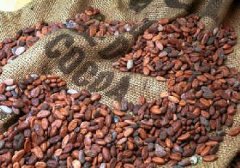
Decaffein, the processing method of low caffeine coffee beans
CO2 low-caffeine treatment and other low-caffeine treatments are described as follows: at present, there are three ways to remove caffeine from coffee beans: 1. Water treatment can remove 9496% of the caffeine. 2. Chemical extraction method, early use of chloroform (Chloroform) and benzene (Benzene) as solvents to extract caffeine, and later understand that these chemicals cause cancer, and then gradually become other low-hazard chemicals.
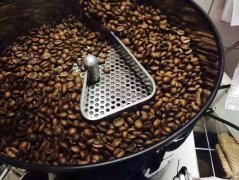
Decaffein, the processing method of low caffeine coffee beans
CO2 low-caffeine treatment and other low-caffeine treatments are described as follows: at present, there are three ways to remove caffeine from coffee beans: 1. Water treatment can remove 9496% of the caffeine. 2. Chemical extraction method, early use of chloroform (Chloroform) and benzene (Benzene) as solvents to extract caffeine, and later understand that these chemicals cause cancer, and then gradually become other low-hazard chemicals.

Boutique coffee beans recommend Colombian coffee growing environment Colombian coffee quality Columbia
Colombia's coffee production has been in a tug of war with Vietnam in recent years, but two ○○ three to two ⊙⊙ was squeezed out by Vietnam in seven years, ranking the third largest producer in the world. Costa Rica is determined to regain its position as the second place, and the second ○○ has worked out a plan to increase production in six years, and is determined to increase its annual output from more than 12 million bags to more than 16 million bags within five years, and win back the world runner-up. In the past, Costa Rica paid more attention to bulk merchants.