
"Bogota"
1067 article(s) found

Colombia uses coffee grounds to build sturdy houses
Lokeshoka is one of the tens of thousands of Colombians who depend on the coffee industry. He works as a grinder in a coffee company in Bogota. Born into a family of architects in Bucaramanga, Locke worked as an architect with his father when he was young, and later learned to be a coffee grinder when he hurt his foot. Coffee will produce a lot of coffee grounds and coffee grounds in the process of grinding.

What is the flavor and taste of the Medellin coffee producing area in Colombia? How is coffee production in Colombia?
Professional coffee knowledge exchange more coffee bean information please follow the coffee workshop (Wechat official account cafe_style) the flavor and taste of Medellin Coffee producing area in Colombia? How is coffee production in Colombia? The story of growing coffee in Colombia? Colombia is the second largest producer in the world, accounting for 12% of the world's total output, although it ranks lower than Brazil.
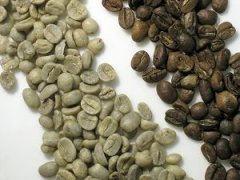
Basic knowledge of Colombian coffee boutique coffee beans
Coffee was first introduced to Colombia in 1808 when it was brought by a priest from the French Antilles via Venezuela. Today, the country is the second largest producer after Brazil, with an annual output of 13 million bags of 60 kg each, while Brazil produces 22 million bags a year. The status of coffee in Colombia can be seen in the following examples-all entering the

Promised to use only local coffee beans but went back on Starbucks drew protests from Colombian growers.
In Colombia, Starbucks is facing protests from local coffee growers. In July 2014, Starbucks opened its first store in the Columbia region and promised to offer only Colombian coffee with its freshly brewed coffee products. But so far, Starbucks hasn't done that yet. The flagship store in Bogota, the capital of Colombia, not only supplies Colombian-made products.

Introduction to the types of coffee the refreshing Colombian coffee
Coffee was first introduced to Colombia in 1808 when it was brought by a priest from the French Antilles via Venezuela. Today, the country is the second largest producer after Brazil, with an annual output of 13 million bags of 60 kg each, while Brazil produces 22 million bags a year. The status of coffee in Colombia can be seen in the following examples-all entering the

Dream coffee grounds built from coffee grounds to build houses.
Video screenshot: Tudou Lockeshoka is one of tens of thousands of Colombians who depend on the coffee industry. He works as a grinder for a coffee company in Bogota. Born into a family of architects in Bucaramanga, Locke worked as an architect with his father when he was young, and later learned to be a coffee grinder when he hurt his foot. Large coffee will be produced in the process of grinding.

General knowledge of Coffee Culture the Development History of Colombian Coffee
Coffee was first introduced to Colombia in 1808 when it was brought by a priest from the French Antilles via Venezuela. Today, the country is the second largest producer after Brazil, with an annual output of 13 million bags of 60 kg each, while Brazil produces 22 million bags a year. The status of coffee in Colombia can be seen in the following examples-all entering the

Full-bodied aftertaste of Colombia Santa Rita Manor boutique coffee bean varieties planting market price
Colombian coffee is one of the few original coffee sold in the world under the name of the country. In terms of quality, it has won praise unmatched by other coffee, no matter in terms of yield or texture, Colombian coffee is first produced by Medellin, which is characterized by full particles, rich nutrition, moderate acidity, good balance and rich aroma. Soft and smooth taste. Except for Medellin.
Global coffee producing area-Colombia
Coffee was first introduced to Colombia in 1808 when it was brought by a priest from the French Antilles via Venezuela.
Coffee producing areas in Colombia
Coffee was first introduced to Colombia in 1808 when it was brought by a priest from the French Antilles via Venezuela. Today the country is the second largest producer after Brazil.
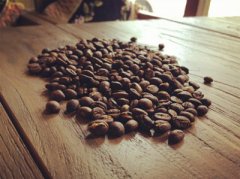
Colombian coffee producing area Colombian coffee elegant demeanor Colombian coffee characteristics brother
Coffee was first introduced to Colombia in 1808 when it was brought by a priest from the French Antilles via Venezuela. Today the country is the second largest producer after Brazil. Colombian coffee origin: Colombian coffee is one of the few original coffee sold in the world under the name of the country. In terms of quality, it can't get any other coffee.

Characteristics of Colombian coffee beans story how should Colombian coffee be roasted?
Professional baristas follow the Coffee Workshop (Wechat official account cafe_style) in 1808, coffee was first introduced to Colombia (Colombia) and today the country is the second largest producer after Brazil, with an annual output of 13 million bags of 60 kg each, compared with Brazil's annual production of 22 million bags. Colombian coffee is one of the few individual coffees sold in the world under the name of the country. In

What is Colombian coffee? Where is the main producing area of Colombian coffee?
For more information on coffee beans, please follow the coffee workshop (Wechat official account cafe_style) in 1808, coffee was first introduced to Colombia by a priest from the French Antilles via Venezuela. Today, the country is the second largest producer after Brazil, with an annual output of 13 million bags of 60 kg each, while Brazil

What is the meaning of making coffee beans by washing? introduction to the method of flavor description and taste treatment
Introduction to the taste classification of ▼ coffee beans: sour mocha, Hawaiian sour coffee, Mexico, Guatemala, Costa Rica high real estate, Gillimanjaro, Colombia, Zimbabwe, El Salvador, Western Hemisphere washable premium new beans. Bitter Java, Mantenin, Bogota, Angola, Congo,

Coffee flavor from different coffee producing areas around the world coffee producing areas in Colombia
In 1808, coffee was first introduced to Colombia, which was brought by a priest from the French Antilles via Venezuela. Today the country is the second largest producer after Brazil. Colombian coffee origin: Colombian coffee is one of the few original coffee sold in the world under the name of the country. In terms of quality, it has acquired other

Colombian boutique coffee-one of the most sold individual coffees in the world
Coffee was first introduced to Colombia in 1808 when it was brought by a priest from the French Antilles via Venezuela. Today, the country is the second largest producer after Brazil, with an annual output of 13 million bags of 60 kg each, while Brazil produces 22 million bags a year. The status of coffee in Colombia can be seen in the following examples-all entering the

Colombian boutique coffee-one of the most sold individual coffees in the world
Coffee was first introduced to Colombia in 1808 when it was brought by a priest from the French Antilles via Venezuela. Today, the country is the second largest producer after Brazil, with an annual output of 13 million bags of 60 kg each, while Brazil produces 22 million bags a year. The status of coffee in Colombia can be seen in the following examples-all entering the

Columbia Coffee Flavor description Grinding scale introduction to the taste treatment method in the producing area of Colombian coffee
Colombian coffee flavor description grinding scale variety taste treatment method introduced that Colombia is the second largest coffee industrial country after Brazil in terms of output. The more famous producing areas are "Metenin", "Marissares", "Bogota", "Armenia" and so on. The cultivated coffee beans are quite rich in flavor, quality and price are also very stable, the internationally famous high-quality beans are Colombia.

Colombia Huila production area introduction Colombia coffee has what famous production area
Professional coffee knowledge exchange More coffee bean information Please pay attention to coffee workshop (Weixin Official Accounts cafe_style) Colombia coffee farmers can sell all their products to coffee management associations at official low prices, or they can sell them to exporters, who may offer higher prices or not bid at all. In fact, the Coffee Control Council (FNC) controls the European

A single cup of coffee sold in the world under the name of a country.
Coffee was first introduced to Colombia in 1808 when it was brought by a priest from the French Antilles via Venezuela. Today, the country is the second largest producer after Brazil, with an annual output of 13 million bags of 60 kg each, while Brazil produces 22 million bags a year. The status of coffee in Colombia can be seen in the following examples-all entering the