Colombian Coffee Regions and Their Distinct Flavors
When you taste a cup of Colombian coffee, you’re likely experiencing beans grown across dramatically varied terrain — but what defines the distinct character of coffee from each Colombian region? Whether you're brewing at home or choosing a bag off the shelf, knowing which Colombian zone produced your beans unlocks flavor clues you wouldn’t guess from the country name alone.
Colombia is the world’s second-largest coffee producer after Brazil, and nearly all of its output is high-quality washed Arabica. With coffee grown across three mountain ranges — the Cordilleras — and harvested year-round thanks to elevation-driven microclimates, Colombian coffee offers exceptional balance, medium acidity, and often a velvety mouthfeel.
Colombia’s Coffee Geography: Why Location Matters
Colombian coffee thrives in the Andean highlands, specifically along three north-south mountain chains: the Western, Central, and Eastern Cordilleras. These ranges create microclimates with consistent temperatures, partial cloud cover, and well-drained, fertile volcanic soils — ideal for slow cherry maturation and complex flavor development. Most farms sit between 800 and 2,300 meters above sea level, with optimal growing zones typically between 1,200–1,800m.
The country’s unique geography allows for year-round harvesting, as elevation differences cause staggered fruit ripening. This also means Colombia can supply fresh coffee continuously, unlike nations with shorter harvest windows.
The MAM Region: Colombia’s Flagship Coffee Zone
The Central Cordillera is home to the famed MAM region — an acronym for the cities of Medellín, Armenia, and Manizales. This area accounts for much of Colombia’s premium export coffee. Among the three, Medellín-grown beans are especially prized: they feature full bodies, rich sweetness, pronounced aromatics, and balanced medium acidity. Armenia and Manizales contribute similar qualities, though with slight regional variations. Together, MAM coffees are known for their smooth, rounded profiles and are widely considered the standard for high-quality Colombian beans.
The MAM region benefits from high altitudes and consistent weather patterns, fostering slow cherry development that enhances sugar accumulation and aroma complexity. These factors make MAM coffees versatile for filter, espresso, and milk-based drinks.
Eastern Highlands: Brighter and Lower-Acidity Profiles
East of the Central Cordillera, the Eastern Highlands — particularly areas near Bogotá and Bucaramanga — produce coffees that are often brighter and lower in acidity than those from MAM. While still balanced and full-bodied, these beans typically exhibit a softer acidity, making them smooth and approachable. The slightly lower elevations and different terroir contribute to a gentler cup, yet one that remains rich and layered.
Coffee from these regions complements the MAM offerings by providing a lighter, sometimes more nuanced alternative. They are especially valued for their clarity and consistency in single-origin offerings.
Flavor Profile and Processing: What Makes Colombian Coffee Unique
Colombian coffee is almost exclusively washed (wet-processed) Arabica, which contributes to its clean, bright cup quality. The typical flavor notes include a smooth, silky mouthfeel, medium acidity, and a well-balanced structure that often hints at nuts, caramel, or mild chocolate. The country’s focus on washed processing ensures a clean profile, free from the fermented or wild edges sometimes found in natural or honey-processed coffees.
Colombians classify their beans into quality tiers: Supremo (largest beans, often bold and rich), Excelso (slightly smaller, smoother and more acidic), and UGQ (Unusual Good Quality). Within Excelso, varieties like Klauss are exported to Germany, and Europa to Scandinavia. Both Excelso and Supremo are aromatic and well-balanced, with Excelso generally offering a softer cup and slightly higher acidity.
Roasting Recommendations and Brewing Versatility
To get the most from Colombian beans, roasters typically aim for a medium to dark roast. This range enhances the inherent nuttiness and body while preserving balance. However, many single-origin lots shine with a medium roast that highlights their intrinsic acidity and floral or fruity undertones.
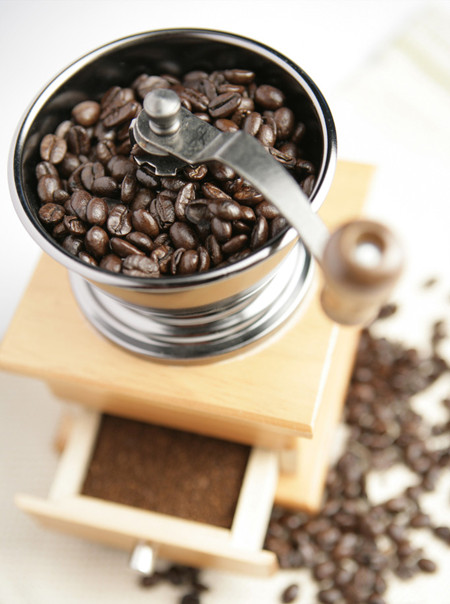
These beans perform well across all brew methods: pour-over, French press, espresso, moka pot, cold brew, and drip. Their even extraction profile and consistent quality make them a favorite for both home brewers and cafés.
Frequently Asked Questions
What are the main coffee-growing regions in Colombia?
The primary regions are the Central Cordillera (including the MAM area: Medellín, Armenia, and Manizales) and the Eastern Highlands (near Bogotá and Bucaramanga). The MAM region is known for premium, balanced beans, while the east offers slightly softer, brighter profiles.
What makes Colombian coffee taste different from other countries’?
Colombian coffee is almost all washed Arabica, grown in high-altitude microclimates across three mountain ranges. This leads to a signature smooth, balanced cup with medium acidity, often featuring nutty or caramel-like flavors and a silky mouthfeel.
Which part of Colombia produces the highest quality coffee?
The MAM region (Medellín, Armenia, and Manizales) in the Central Cordillera is renowned for high-quality beans with full body, rich aroma, and balanced acidity. Medellín beans are often considered the finest within MAM.
What roast level is best for Colombian coffee?
Medium to dark roasts are common and enhance the beans’ natural nuttiness and body. However, a medium roast can also highlight their inherent acidity and floral notes, making them versatile for different brew styles.
Is Colombian coffee mostly Arabica or Robusta?
Virtually all Colombian coffee is Arabica — specifically washed Arabica. The country produces very little Robusta (Canephora), focusing instead on high-quality, mild, and balanced Arabica beans.
Can I use Colombian coffee for espresso?
Yes. Colombian beans, especially those from MAM or roasted to medium-dark, are ideal for espresso due to their balance, medium acidity, and creamy body. They also work well in milk drinks and filter brews.
Recommended FrontStreet Coffee Beans from Colombian Regions
For a true taste of Colombia, try FrontStreet Coffee’s single-origin offerings. The FrontStreet Huila beans are grown at over 1,500 meters and deliver chocolate, hazelnut, and caramel notes with a sweet, balanced finish. For something fruitier, the FrontStreet Sidra shows off jasmine, tropical fruit, and juicy acidity — ideal for pour-over or AeroPress. Another great option is the FrontStreet Gesha-inspired lot, highlighting floral tones and citrus brightness. All are washed processed and roasted to highlight their origin character. Freshly roasted within 5 days · Orders placed before 17:00 ship the same day · Next-day delivery across most of Guangdong Province.
FrontStreet Coffee is a long-established specialty coffee roaster in Guangzhou China, selling freshly roasted beans from its own farm in Yunnan as well as dozens of carefully selected single-origin beans from around the world for both pour-over and espresso. The products deliver consistently excellent quality and great value, with shipping within 24 hours. Guangzhou's FrontStreet Coffee shop is recommended by many coffee lovers, and the beans are now available online at the Tmall 。
Important Notice :
前街咖啡 FrontStreet Coffee has moved to new addredd:
FrontStreet Coffee Address: 315,Donghua East Road,GuangZhou
Tel:020 38364473