
"Brazils"
264 article(s) found

Introduction to Brazilian Coffee
Brazilian coffee generally refers to coffee produced in Brazil. There is a wide variety of Brazilian coffee, the vast majority of which are unwashed and sun-dried, classified according to the name of the state of origin and the port of transport. Brazil has 21 states and 17 states produce coffee, but four of them produce the largest, accounting for 98% of the country's total output. Brazilian coffee has a low sour taste, which goes well with coffee.
Learn about Brazilian coffee
Brazilian coffee taste with a low acidity, with the sweet and bitter taste of coffee, the entrance is extremely smooth, but also with a touch of grass aroma, in the fragrance slightly bitter, sweet smooth mouth, aftertaste can make people comfortable and carefree. Brazilian coffee refers to coffee produced in Brazil. There are many types of Brazilian coffee, most of which are unwashed and dried, depending on the state of origin.
The Giants of the Coffee World know Brazilian Coffee
Brazil is vividly compared to the giant and monarch of the coffee world. There are about 3.97 billion coffee trees there, and small farmers now grow 75% of Brazil's total coffee production. The number of coffee producers in Brazil is twice or even three times that of Colombia, the second largest coffee producer in the world. Brazilian coffee generally refers to coffee produced in Brazil. Types of Brazilian coffee
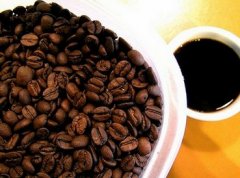
Brazilian coffee has a low sour taste.
Brazilian coffee generally refers to coffee produced in Brazil. There is a wide variety of Brazilian coffee, the vast majority of which are unwashed and sun-dried, classified according to the name of the state of origin and the port of transport. Brazil has 21 states and 17 states produce coffee, but four of them produce the largest, accounting for 98% of the country's total output. Brazilian coffee has a low sour taste, which goes well with coffee.
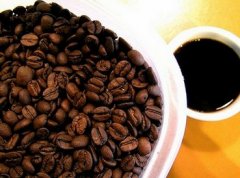
Introduction to boutique coffee basic knowledge of Brazilian coffee
Brazilian coffee generally refers to coffee produced in Brazil. There is a wide variety of Brazilian coffee, the vast majority of which are unwashed and sun-dried, classified according to the name of the state of origin and the port of transport. Brazil has 21 states and 17 states produce coffee, but four of them produce the largest, accounting for 98% of the country's total output. Brazilian coffee has a low sour taste, which goes well with coffee.
Introduction of boutique coffee-Brazilian coffee
Know the taste of Brazilian coffee with a low sour taste, with the sweet and bitter taste of coffee, the entrance is very smooth, but also with a hint of grass aroma, slightly bitter in the fragrance, smooth and smooth, the aftertaste can make people comfortable and pleasant. Brazilian coffee generally refers to coffee produced in Brazil. There are many kinds of Brazilian coffee, most of which are unwashed and sun-dried.
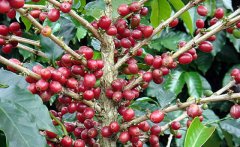
Brazilian coffee generally refers to coffee produced in Brazil. There are many kinds of coffee in Brazil.
As long as it is delicious coffee, coffee consumers are willing to pay a high price; as long as delicious coffee is provided, consumers will not abandon coffee and the market will grow. High-quality coffee represented by boutique coffee is better than big business coffee producers and consumers have discovered this simple fact. In recent years, coffee producing countries no longer blindly pursue high output while neglecting quality.
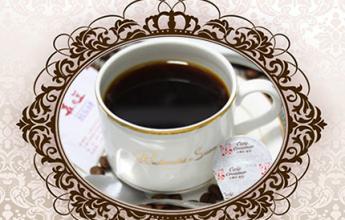
Brazil Coffee The world's largest coffee producer Brazil Coffee such as Rio
Brazil, the largest producer of coffee, accounts for one-third of global consumption of all grades and varieties, and has a place in the global coffee market. Although Brazil faces many times more natural disasters than other regions, its arable area is enough to compensate. There are many kinds of coffee here, but its industrial policy is large and cheap, so it is especially superior coffee and
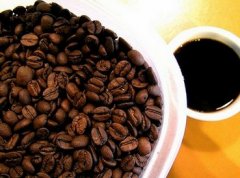
Brazilian coffee generally refers to coffee produced in Brazil.
Brazilian coffee generally refers to coffee produced in Brazil. There is a wide variety of Brazilian coffee, the vast majority of which are unwashed and sun-dried, classified according to the name of the state of origin and the port of transport. Brazil has 21 states and 17 states produce coffee, but four of them produce the largest, accounting for 98% of the country's total output. Brazilian coffee has a low sour taste, which goes well with coffee.
Where does the best quality coffee come from and what does it have?
Professional coffee knowledge exchange More coffee bean information Please pay attention to coffee workshop (Weixin Official Accounts cafe_style) English name: Geisha coffee Honor: the most expensive coffee bean, won the championship of 3 cup tests Origin: Ethiopia Panama Colombia Taste and characteristics: raw beans blue-green, ripe beans with some wrinkles, floral, tropical fruit, intense sweetness

Introduction of Brazilian boutique coffee beans flavor and taste of Brazilian coffee manor
Old bourbon coffee is grown on some estates in the Serrado district of Minas Greais state in southeastern Brazil. Old varieties of bourbon coffee grown on these estates, such as Capin Branco and Vista Allegre, are also sold on the market. Although they come from the same area, there are different kinds of coffee.

Introduction of Brazilian Coffee Flavor description Grinding degree producing area characteristic varieties of Fine Coffee
Although coffee is diverse, Brazilian coffee is suitable for the taste of the public. For example, coffee produced in the northern coastal areas has a typical iodine taste, reminiscent of the sea after drinking. This coffee is exported to North America, the Middle East and Eastern Europe. Another kind of coffee that is interesting and worth looking for is washed Bahia coffee. This kind of coffee is not easy to find, because after the United States

Coffee flavors from different coffee producing areas around the world coffee producing areas in Brazil
Brazil is vividly compared to the giant and monarch of the coffee world. There are about 3.97 billion coffee trees there, and small farmers now grow 75% of the country's coffee. The number of coffee producers in Brazil is twice or even three times that of Colombia, the second largest coffee producer in the world. Coffee production in Brazil: in Milasgira, southeastern Brazil
Introduction to Brazilian Coffee in the World Coffee producing area
The taste of Brazilian coffee has a low sour taste, with the sweet and bitter taste of coffee, the entrance is very smooth, but also with a hint of grass aroma, slightly bitter in the fragrance, smooth and smooth, with a pleasant aftertaste. Brazilian coffee generally refers to coffee produced in Brazil. There are many kinds of Brazilian coffee, most of which are unwashed and sun-dried, according to the name of the state of origin.

The basic knowledge of Brazilian Coffee beans Information on the producing countries of fine coffee beans
Brazil is vividly compared to the giant and monarch of the coffee world. There are about 3.97 billion coffee trees there, and small farmers now grow 75% of Brazil's total coffee production. The number of coffee producers in Brazil is twice or even three times that of Colombia, the second largest coffee producer in the world. Brazilian coffee generally refers to coffee produced in Brazil. Types of Brazilian coffee

Sensory evaluation of coffee from the main producing areas of Brazilian coffee beans
Although coffee is diverse, Brazilian coffee is suitable for the taste of the masses. For example: coffee produced in northern coastal areas has a typical iodine taste, reminiscent of the sea after drinking. This coffee is exported to North America, the Middle East and Eastern Europe. Another coffee that is interesting and worth pursuing is rinsed Bahia coffee. This coffee is not easy to find, because after America
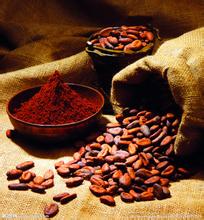
Brazilian coffee beans Santos Ethiopia Jimamoca coffee beans
Brazilian raw coffee beans are classified into 7 grades of N0.2No.8 according to the number of defective beans and sundries. The smaller the number, the higher the grade, and No.2 is the highest grade. According to the size of the particles, it is divided into 9 grades of S12S20, the larger the number, the bigger the particles, the higher the grade. S20 is the largest particle. Brazilian coffee generally refers to coffee produced in Brazil. There are many kinds of coffee in Brazil, such as

Flavor and taste of Brazilian boutique coffee the manor area introduces the characteristics of Brazilian coffee.
In Brazil, the largest producer is Robbins. This kind of coffee is sold in the supermarket. Brazil's Robucht coffee, sold under the name Conillon, accounts for 15 per cent of total production. Old bourbon coffee is grown on some estates in the Serrado district of Minas Greais state in southeastern Brazil. These estates, such as Capi

The main introduction of Brazilian coffee beans is the characteristics of coffee beans
Although coffee is diverse, Brazilian coffee is suitable for the taste of the public. For example, coffee produced in the northern coastal areas has a typical iodine taste, reminiscent of the sea after drinking. This coffee is exported to North America, the Middle East and Eastern Europe. Another kind of coffee that is interesting and worth looking for is washed Bahia coffee. This kind of coffee is not easy to find, because after the United States

Characteristics of Brazilian Coffee introduction to the flavor and taste of Brazilian fine coffee beans
Although coffee is diverse, Brazilian coffee is suitable for the taste of the public. For example, coffee produced in the northern coastal areas has a typical iodine taste, reminiscent of the sea after drinking. This coffee is exported to North America, the Middle East and Eastern Europe. Another kind of coffee that is interesting and worth looking for is washed Bahia coffee. This kind of coffee is not easy to find, because after the United States