
"Brazils"
264 article(s) found
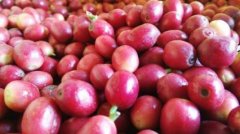
Why is Brazilian coffee called the "giant" and "monarch" of the coffee world?
Old bourbon coffee is grown on some estates in the Serrado district of Minas Greais state in southeastern Brazil. Old varieties of bourbon coffee grown on these estates, such as Capin Branco and Vista Allegre, are also sold on the market. Although they come from the same area, these coffees have their own characteristics. Card

The Flavor of Brazilian Fine Coffee beans with mild fragrance the characteristics of the manor area introduce the flavor of Brazilian coffee.
Old bourbon coffee is grown on some estates in the Serrado district of Minas Greais state in southeastern Brazil. Old varieties of bourbon coffee grown on these estates, such as Capin Branco and Vista Allegre, are also sold on the market. Although they come from the same area, there are different kinds of coffee.

Brazilian coffee roasting curve table-what is the coffee baking curve
Brazilian Coffee Baking Curve-when the coffee baking curve is roasted for 5-7 minutes, the beans begin to release water, changing from light green to orange, emitting the unique aroma of creamy roasted vegetables. Light baked ─ when the beans make the first light sound, the volume expands at the same time, and the color changes to a delicious cinnamon color, so it is also called cinnamon raost or half-city roast. Acidity
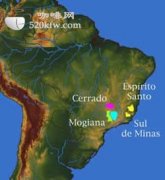
Brazilian coffee beans from the world's fine coffee production area
The low-acidity, moderately roasted coffee beans from the World Coffee Center are vividly compared to the giants and monarchs of the coffee world. There are about 3.97 billion coffee trees there, and small farmers now grow 75% of the country's coffee. The number of coffee producers in Brazil is twice or even three times that of Colombia, the second largest coffee producer in the world. With
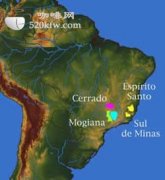
Basic knowledge of Brazilian boutique coffee beans from coffee producing area
The low-acidity, moderately roasted coffee beans from the World Coffee Center are vividly compared to the giants and monarchs of the coffee world. There are about 3.97 billion coffee trees there, and small farmers now grow 75% of the country's coffee. The number of coffee producers in Brazil is twice or even three times that of Colombia, the second largest coffee producer in the world. With

Start with coffee beans (17)-- America-Brazil
Brazil, a low-acidity, moderately roasted coffee bean from the World Coffee Center, is vividly compared to the giant and monarch of the coffee world. There are about 3.97 billion coffee trees there, and small farmers now grow 75% of the country's coffee. The number of coffee producers in Brazil is twice or even three times that of Colombia, the second largest coffee producer in the world.

High-quality coffee bean producing countries introduce Brazilian coffee
Brazil is vividly compared to the giant and monarch of the coffee world. There are about 3.97 billion coffee trees there, and small farmers now grow 75% of the country's coffee. The number of coffee producers in Brazil is twice or even three times that of Colombia, the second largest coffee producer in the world. Coffee production in Brazil: Mi in southeastern Brazil

Brazil, the world's largest producer of coffee beans.
The continuous drought in Brazil since the beginning of this year has seriously affected coffee bean production. The reduction in coffee production in Brazil has directly pushed up the price of coffee beans in the international market and may affect the coffee retail industry. Here, Brazilian coffee beans have also attracted the attention of the world. Brazil is vividly compared to the giant and monarch of the coffee world. In fact, all the blends run by big bakers

Introduction to the treatment methods of grinding degree of Brazilian coffee varieties with good quality
Other kinds of Brazilian coffee, such as Rio and Parana, can be produced in large quantities because they do not need too much care. Although they taste rough, they can be regarded as a kind of good and cheap coffee. Because they are distributed all over Brazil and their solid quality varies, they have their own standards (NO.2~NO.8 according to the number of sundries, NO.13~NO.19 according to the size of beans, and six according to taste).

Introduction to the method of describing the taste and flavor of the brand with the characteristics of the map of coffee bean planting base in Brazil
Although Brazilian coffee beans have a variety of coffee, Brazilian coffee is suitable for the taste of the public. For example, coffee produced in the northern coastal areas has a typical iodine taste, reminiscent of the sea after drinking. This coffee is exported to North America, the Middle East and Eastern Europe. Today, Brazil has established its brand as the origin of special coffee, while Brazil, which has many of Brazil's most important producing area members,
Brazilian coffee is the best coffee in Brazil.
Brazil, a low-acidity, medium-roast coffee bean from the coffee center of the world, has been figuratively compared to the giants and kings of the coffee world. There are about 3.97 billion coffee trees, and small farmers now grow 75 percent of the country's coffee. Brazil has twice or even three times as many coffee producers as Colombia, which is the world's second-largest coffee producer.

The origin of coffee in Brazil the characteristics of Brazilian coffee
Brazil is vividly compared to the giant and monarch of the coffee world. There are about 3.97 billion coffee trees there, and small farmers now grow 75% of the country's coffee. The number of coffee producers in Brazil is twice or even three times that of Colombia, the second largest coffee producer in the world. Coffee production in Brazil: Mi in southeastern Brazil

Coffee beans from the World Coffee Center Brazilian Coffee
Brazil, a low-acidity, moderately roasted coffee bean from the World Coffee Center, is vividly compared to the giant and monarch of the coffee world. There are about 3.97 billion coffee trees there, and small farmers now grow 75% of the country's coffee. The number of coffee producers in Brazil is twice or even three times that of Colombia, the second largest coffee producer in the world.

The "Giants" and "monarchs" of the Coffee World in Brazil
Brazil is vividly compared to the giant and monarch of the coffee world. There are about 3.97 billion coffee trees there, and small farmers now grow 75% of the country's coffee. The number of coffee producers in Brazil is twice or even three times that of Colombia, the second largest coffee producer in the world. Unlike in the past, Brazil's economy is less dependent on coffee.

Introduction to the characteristics of Brazilian boutique coffee flavor manor with mellow taste
The Portuguese expedition established a colony in Pakistan in the 1630s. The Governor was appointed in 1549. The entire colony was then United along the Atlantic coast under Portuguese rule. The French invaded in 1555, occupied the equivalent of present-day Rio de Janeiro, and intended to set up a French colonial stronghold in South America. However, because the French were unable to attract colonists from Europe,
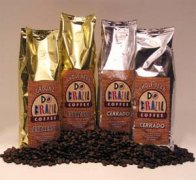
The origin of Brazilian coffee the taste of Brazilian coffee high-quality coffee variety Santos coffee
Brazilian coffee generally refers to coffee produced in Brazil. There is a wide variety of Brazilian coffee, the vast majority of which are unwashed and sun-dried, classified according to the name of the state of origin and the port of transport. Brazil has 27 states and 17 states produce coffee, but four of them produce the largest, accounting for 98% of the country's total output. Brazilian coffee has a low sour taste, which goes well with coffee.

Introduction to the characteristics of Flavor and Taste quality of Brazilian Coffee Bean planting Map
Brazilian coffee beans grow top Brazilian coffee on a map that may not always be easy to get. Because, after the United States, Brazil itself has become the world's largest consumer of coffee and is still growing rapidly. A large number of high-quality coffee has found a place in the domestic market, and consumers' tastes are becoming more and more picky. Brazil's rapid development in the coffee industry may be attributed to regular hosting in Brazil.

Cerrado Mineiro, the main variety of Brazilian coffee in the world coffee producing area.
Brazilian coffee generally refers to coffee produced in Brazil. There is a wide variety of Brazilian coffee, the vast majority of which are unwashed and sun-dried, classified according to the name of the state of origin and the port of transport. Brazil has 21 states and 17 states produce coffee, but four of them produce the largest, accounting for 98% of the country's total output. Brazilian coffee has a low sour taste.

Brazilian coffee beans Brazilian coffee Brazilian coffee flavor Brazilian coffee mouth of Brazilian coffee
Brazilian coffee generally refers to coffee produced in Brazil. There is a wide variety of Brazilian coffee, the vast majority of which are unwashed and sun-dried, classified according to the name of the state of origin and the port of transport. Brazil has 27 states and 17 states produce coffee, but four of them produce the largest, accounting for 98% of the country's total output. Brazilian coffee has a low sour taste, which goes well with coffee.

Types of Brazilian coffee Brazilian coffee characteristics Brazilian coffee brand boutique coffee beans
Although the variety of Brazilian coffee is diverse, Brazilian coffee is suitable for the taste of the public. For example, coffee produced in the northern coastal areas has a typical iodine taste, reminiscent of the sea after drinking. This coffee is exported to North America, the Middle East and Eastern Europe. Another kind of coffee that is interesting and worth looking for is washed Bahia. This kind of coffee is not easy.