Brazil Coffee Beans: Low-Acid, Medium-Roast Origins
When you think of the world’s coffee supply, one country towers above the rest—not just in volume, but in influence over global prices and market stability. That country is Brazil. But what makes Brazilian coffee so different? Why does it dominate the market without necessarily standing out as a flashy single origin? The answer lies in scale, farming methods, and a long history of adaptation.
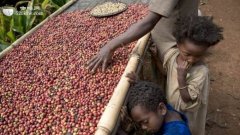
Brazil is the largest coffee producer in the world, growing on around 3.97 billion coffee trees. About 75% of its coffee comes from small farms, and the country’s coffee workforce is two to three times larger than Colombia’s, the second-largest producer. While Brazil no longer produces 50% of the world’s coffee as it did pre-WWII, it still accounts for nearly 30% today, making its role in coffee pricing and availability critical.
The History and Economics of Brazilian Coffee
Brazil’s coffee industry has evolved dramatically since coffee plants were first introduced from French Guiana in 1720. By the early 20th century, the country had become so dominant that surplus stocks reached 78 million bags during WWII—some of which were famously destroyed by burning or dumping. In the past, the Brazilian government heavily regulated the industry through the Brazil Coffee Institute (IBC), controlling prices and production until market reforms began in 1990. Since then, the state has moved to a non-interventionist model, deregulating exports and allowing direct trade between producers and exporters under government registration and legislation.
Geography and Production by Region
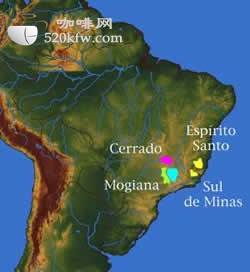
Coffee in Brazil comes from 17 of the nation’s 21 states, but four states produce 98% of the country’s coffee: Paraná, São Paulo, Minas Gerais, and Espírito Santo. Paraná alone contributes around 50% of national output. Most Brazilian coffee is grown at relatively low altitudes and processed using the natural or pulped natural (semi-washed) method, which contributes to its signature low acidity and heavy body.
Types and Flavour Profiles of Brazilian Coffee
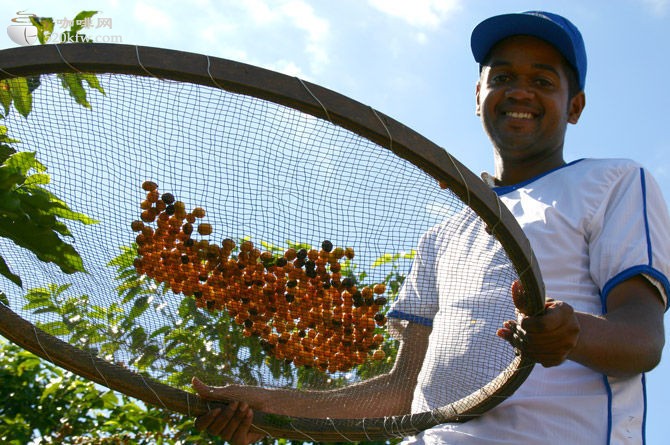
While the term “Brazilian coffee” covers a huge range, it’s generally understood to mean coffee that is low in acidity, medium in roast, and often used in espresso blends. The majority of Brazilian beans are unwashed and sun-dried, and are categorized by growing state and port of export. Among the varieties, Conillon (Brazilian Robusta) makes up about 15% of production and is commonly sold in supermarkets. However, there are also more unique, high-quality offerings.
Northern coastal regions sometimes produce iodine-like flavoured coffees reminiscent of the sea, mostly exported to North America, the Middle East, and Eastern Europe. More elusive is washed Bahia coffee—an uncommon find since Brazilians consume more coffee per capita than most nations, often keeping the best beans at home.
Among the more traditional and widely planted varieties is Bourbon, especially older strains found in the Cerrado region of Minas Gerais. Estates like Capin Branco and Vista Allegre grow classic Bourbon varieties with distinct profiles: Capin Branco offers a smoother cup, while Vista Allegre serves up a darker, fuller-bodied coffee. Both are low in acidity.
Recommended FrontStreet Beans for Brazilian Coffee Lovers
For a true taste of Brazil’s signature style, try the FrontStreet Brazil Queen Manor—grown at higher altitude in Mogiana with unique Yellow Bourbon beans. Roasted medium-dark, it delivers creamy textures, peanut, toast, and nut aromas, with low acidity and a long finish, ideal for filter or espresso. Also consider FrontStreet’s Black Cocoa Blend, which features a strong percentage of Brazilian beans to deliver smooth body and chocolatey sweetness in espresso drinks. For a more budget-friendly everyday option, many of FrontStreet’s commercial espresso blends include Brazilian coffee for balance and crema stability. Freshly roasted within 5 days · Orders placed before 17:00 ship the same day · Next-day delivery across most of Guangdong Province.
FrontStreet Coffee is a long-established specialty coffee roaster in Guangzhou China, selling freshly roasted beans from its own farm in Yunnan as well as dozens of carefully selected single-origin beans from around the world for both pour-over and espresso. The products deliver consistently excellent quality and great value, with shipping within 24 hours. Guangzhou's FrontStreet Coffee shop is recommended by many coffee lovers, and the beans are now available online at the Tmall 。
Important Notice :
前街咖啡 FrontStreet Coffee has moved to new addredd:
FrontStreet Coffee Address: 315,Donghua East Road,GuangZhou
Tel:020 38364473