Bolivia’s Specialty Coffee Origins Explained
When you sip a cup of specialty coffee, you rarely wonder if it came from a garden hedge—but that’s exactly where Bolivia’s coffee trees began. For much of the country’s history, coffee wasn’t a commercial crop but an ornamental shrub, planted around homes for decoration. It wasn’t until the 1950s that Bolivia started growing coffee seriously for export. So what changed, and why does Bolivia still have a place in the world of specialty coffee today?
Bolivia’s commercial coffee production began in the early 1950s. A major turning point came after the 1957 Brazilian frost, which disrupted Brazil’s output and gave smaller producers like Bolivia a chance to enter the market. Most Bolivian coffee grew between 180 and 670 meters above sea level, and early exports included washed Arabica beans sent to Germany and Sweden—though these were considered average in cup quality and often bitter.
The Origins of Coffee in Bolivia
Coffee didn’t start as a major crop in Bolivia. For decades, it was planted ornamentally, lining gardens and serving as decorative hedges rather than as a source of brewed coffee. This limited its role in agriculture and trade. It wasn’t until the 1950s that coffee began transitioning into a serious commercial product, setting the stage for Bolivia’s brief moment in the global coffee market.
The 1957 Brazilian Frost and Bolivia’s Opportunity
A pivotal moment for Bolivia’s coffee industry came in 1957, when a catastrophic frost hit Brazil—the world’s largest coffee producer at the time. This natural disaster severely damaged Brazil’s coffee trees and reduced its output dramatically. In the aftermath, smaller coffee-growing nations, including Bolivia, were able to step in and capture part of the market. This event acted as a catalyst for Bolivia’s early commercial coffee development.
Growing Altitudes and Early Exports
Bolivian coffee has traditionally been cultivated at relatively low altitudes, ranging from 180 to 670 meters above sea level. While these elevations are much lower than the ideal ranges for high-quality specialty coffee—which typically thrive above 1,200 meters—Bolivia managed to produce and export washed Arabica beans during its early commercial phase. Key markets for these beans included Germany and Sweden. However, the cup quality of these early exports was modest, often described as lacking complexity and carrying a noticeable bitterness.
How Coffee Is Processed: Washed Method Basics
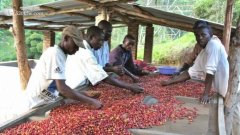
Most of Bolivia’s early exports were washed Arabica beans. The washed process, also called the wet process, involves removing the coffee cherry’s skin and pulp, fermenting to remove the sticky mucilage, and washing the beans before drying. This method tends to highlight acidity and clarity in the cup, though in Bolivia’s case, the low growing altitude and early techniques resulted in beans that were more bitter than bright.
What Determines Coffee Quality?
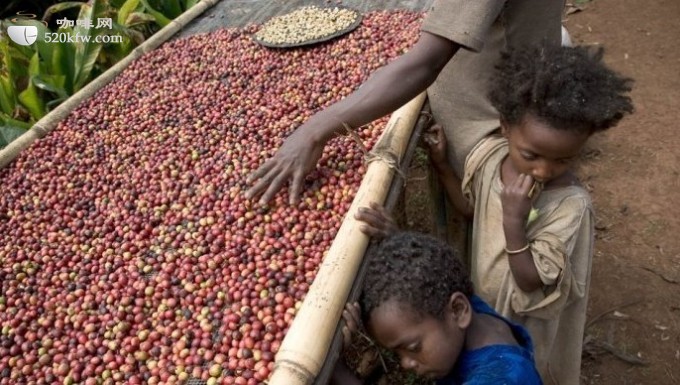
Several factors influence the quality of coffee, including altitude, processing method, and variety. In Bolivia’s case, the low elevation (180–670 m) limited the development of the complex sugars and aromas usually found in high-altitude coffees. Combined with the washed process and the technology available at the time, this led to a final cup that, while functional, lacked the brightness and depth expected in today’s specialty market.
Frequently Asked Questions
When did Bolivia start growing coffee commercially?
Bolivia began its commercial coffee production in the early 1950s. Before this, coffee was mainly planted as decorative hedging around homes and gardens, not for brewing or export.
What event helped Bolivia’s coffee industry grow?
The 1957 Brazilian frost, which devastated Brazil’s coffee crops, created an opening for smaller producers. Bolivia was able to increase production and start exporting coffee during this time, benefiting from the disruption in Brazil’s supply.
At what altitudes was Bolivia’s coffee traditionally grown?
Bolivian coffee was historically grown at altitudes between 180 and 670 meters above sea level. These relatively low elevations are below the typical range for high-quality specialty coffee, which often thrives at over 1,200 meters.
What processing method was used for Bolivia’s early exports?
The majority of Bolivia’s early commercial coffee exports were washed Arabica beans. The washed process helps highlight acidity but, in Bolivia’s case, resulted in cups that were often described as bitter and lacking complexity.
Which countries received Bolivia’s early coffee exports?
Bolivia’s early washed coffee exports were primarily sent to Germany and Sweden. These markets received the beans, though the quality was not considered premium by today’s specialty standards.
Why were Bolivia’s early coffee exports considered low quality?
The combination of low growing altitudes (180–670 m), the washed processing method used at the time, and limited farming technology led to beans that were often bitter and lacking the complexity expected in higher-quality specialty coffee.
Recommended FrontStreet Beans Using Washed Process
For drinkers curious about washed coffees like Bolivia’s early exports, try FrontStreet’s Yirgacheffe Gedeb Cooperative beans, which highlight bright citrus and floral notes through washed processing. The Kenya Little Tomato also uses an advanced double-washed method, delivering juicy complexity with notes of tomato, blackcurrant, and stone fruit. Finally, the Jamaica Blue Mountain No.1 is a classic washed coffee, renowned for its clean profile and balanced flavors of nuts, chocolate, and caramel. All three demonstrate how washed processing can shape a coffee’s character. Freshly roasted within 5 days · Orders placed before 17:00 ship the same day · Next-day delivery across most of Guangdong Province.
FrontStreet Coffee is a long-established specialty coffee roaster in Guangzhou China, selling freshly roasted beans from its own farm in Yunnan as well as dozens of carefully selected single-origin beans from around the world for both pour-over and espresso. The products deliver consistently excellent quality and great value, with shipping within 24 hours. Guangzhou's FrontStreet Coffee shop is recommended by many coffee lovers, and the beans are now available online at the Tmall 。
Important Notice :
前街咖啡 FrontStreet Coffee has moved to new addredd:
FrontStreet Coffee Address: 315,Donghua East Road,GuangZhou
Tel:020 38364473