
"Brazils"
264 article(s) found

Brazilian coffee beans characteristics are the reason why Brazilian coffee beans use less washing treatment
Professional coffee knowledge exchange More coffee bean information Please pay attention to coffee workshop (Weixin Official Accounts cafe_style) Why do Brazilian coffee beans use less washing treatment? Brazilian coffee beans are grown from large farms on the flat ground at an altitude of 850 m to small farms harvested in mountainous areas. Depending on the climate and humidity conditions, the farm chooses sun, semi-sun or
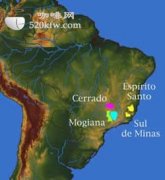
Coffee producing area Brazil
Before World War II, Brazil produced 50% or more of the world's coffee.

Taste characteristics of Yellow Bourbon Coffee beans in Queen's Manor of Brazil Grinding scale Manor area
Taste characteristics of Yellow Bourbon Coffee beans in Queen Manor of Brazil the annual precipitation of Bau Manor in Bau Manor is 1800mm, which is located on a plateau with an elevation of 1100m. The farm, with a size of about 700 hectares, is a farmer who only produces fine coffee with the latest equipment and thorough quality management.

Brazil has a wide variety of coffee, fine coffee business.
Coffee made from fine coffee beans. Now the coffee is mainly made by hand-brewing coffee to give full play to the flavor of the coffee bean itself. Boutique coffee does not have a bad effect on people's health, but drinking it in moderation is beneficial. Because there are so many kinds of Brazilian coffee in Brazil, you can't just use the word Brazilian coffee to include it. Just like his Arabica coffee

Brazilian fine coffee beans with typical iodine flavor Taste Manor Features
Although coffee is diverse, Brazilian coffee is suitable for the taste of the masses. For example: coffee produced in northern coastal areas has a typical iodine taste, reminiscent of the sea after drinking. This coffee is exported to North America, the Middle East and Eastern Europe. Another coffee that is interesting and worth pursuing is rinsed Bahia coffee. This coffee is not easy to find, because after America

Introduction of Brazilian Coffee Manor
Brazil's low-acidity, moderately roasted coffee beans from the World Coffee Center Brazil is vividly likened to the giant and monarch of the coffee world. There are about 3.97 billion coffee trees there, and small farmers now grow 75% of the country's coffee. Brazil produces twice or even three times as many coffee as Colombia, which is the second largest coffee producer in the world.

Is Brazilian Santos Coffee good? how to make Santos Coffee beans? recommended
More information on coffee beans Please follow Coffee Workshop (official Wechat account cafe_style) Brazil is the largest coffee grower in the world, compared to the giant and monarch of the world, where the land is fertile, the rainfall is moderate, and the temperature is pleasant; there are bushes covered with red fruit. The sun and rain here nourish about one-third of the world.

A comprehensive introduction to Brazilian coffee from the world's boutique coffee producing area
Brazilian coffee generally refers to coffee produced in Brazil. There is a wide variety of Brazilian coffee, the vast majority of which are unwashed and sun-dried, classified according to the name of the state of origin and the port of transport. Brazil has 21 states and 17 states produce coffee, but four of them produce the largest, accounting for 98% of the country's total output. Brazilian coffee has a low sour taste, which goes well with coffee.
Brazil Coffee
Brazilian coffee generally refers to coffee produced in Brazil. There is a wide variety of Brazilian coffee, the vast majority of which are unwashed and sun-dried, classified according to the name of the state of origin and the port of transport. Brazil has 21 states and 17 states produce coffee, but four of them produce the largest, accounting for 98% of the country's total output. Brazilian coffee has a low sour taste, which goes well with coffee.

Introduction to the characteristics of Brazilian coffee beans
Professional coffee knowledge exchange more coffee bean information please follow the coffee workshop (Wechat official account cafe_style) front street coffee-Brazilian coffee type introduction Brazilian coffee generally refers to the coffee produced in Brazil. There is a wide variety of Brazilian coffee, the vast majority of which are unwashed and sun-dried, classified according to the name of the state of origin and the port of transport. There are 21 states and 17 states in Brazil.

Introduction to the method of Grinding and Calibration for the Price, Flavor and taste of single Coffee beans in Brazil
Unlike in the past, Brazil's economy is less dependent on coffee, which accounts for only 8% to 10% of GDP. Before World War II, Brazil accounted for 50% or more of the world's coffee production, and now it is close to 30%. But the country's impact on the world coffee, especially on coffee prices, is significant, such as 1994.

Introduction of Brazilian coffee with low acidity, taste and quality coffee beans
Old bourbon coffee is grown on some estates in the Serrado district of Minas Greais state in southeastern Brazil. Old varieties of bourbon coffee grown on these estates, such as Capin Branco and Vista Allegre, are also sold on the market. Although they come from the same area, there are different kinds of coffee.
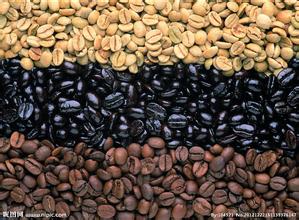
What are the varieties of Brazilian coffee beans? what are the major coffee producers in the world?
Although coffee is diverse, Brazilian coffee is suitable for the taste of the public. For example, coffee produced in the northern coastal areas has a typical iodine taste, reminiscent of the sea after drinking. This coffee is exported to North America, the Middle East and Eastern Europe. Another kind of coffee that is interesting and worth looking for is washed Bahia coffee. This kind of coffee is not easy to find, because after the United States
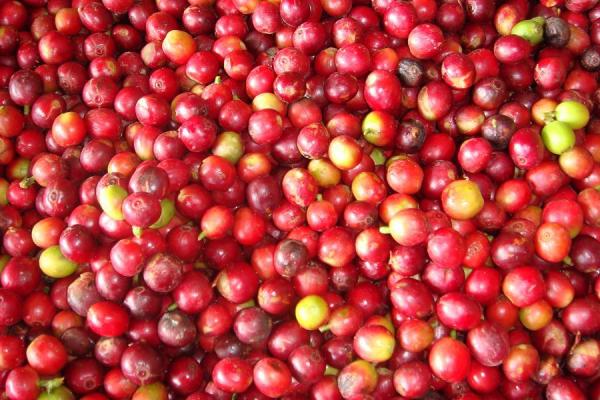
World boutique coffee beans: a detailed introduction to the classification of coffee beans in Brazil
Brazilian coffee generally refers to coffee produced in Brazil. There is a wide variety of Brazilian coffee, the vast majority of which are unwashed and sun-dried, classified according to the name of the state of origin and the port of transport. Brazil has 21 states and 17 states produce coffee, but four of them produce the largest, accounting for 98% of the country's total output. Brazilian coffee has a low sour taste, which goes well with coffee.
Description of the flavor of Brazilian coffee beans introduction to the characteristics of manor varieties produced by grinding scale treatment
Brazilian coffee bean flavor description grinding scale method the characteristics of manor varieties introduced that Brazil's economy is now less dependent on coffee, which accounts for only 8% of GDP. 10%. However, the country's impact on coffee around the world, especially on coffee prices, is significant, such as the two frost disasters in 1994 that caused a sharp rise in global coffee prices. Since 1720
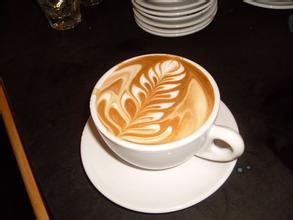
Introduction of Brazilian Coffee varieties introduction of Brazilian Fine Coffee Bean Flavor and taste Manor
Old bourbon coffee is grown on some estates in the Serrado district of Minas Greais state in southeastern Brazil. Old varieties of bourbon coffee grown on these estates, such as Capin Branco and Vista Allegre, are also sold on the market. Although they come from the same area, there are different kinds of coffee.
Coffee Origin-Brazil
Brazil has been figuratively compared to the coffee world's "giants" and "kings." There are about 3.97 billion coffee trees, and small farmers now grow 75 percent of the country's coffee. Brazil has twice or even three times as many coffee producers as Colombia, which is the world's second-largest coffee producer.
American boutique coffee beans Brazil big country coffee beans
Brazilian coffee beans generally refer to coffee produced in Brazil. There is a wide variety of Brazilian coffee, the vast majority of which are unwashed and sun-dried, classified according to the name of the state of origin and the port of transport. Brazil has 21 states and 17 states produce coffee, but four of them produce the largest, accounting for 98% of the country's total output. Brazilian coffee has a low sour taste.
Coffee producing areas in Brazil
Brazil is vividly compared to the "giant" and "monarch" of the coffee world. There are about 3.97 billion coffee trees there, and small farmers now grow 75% of the country's coffee. The number of coffee producers in Brazil is twice or even three times that of Colombia, the second largest coffee producer in the world.
Global Coffee Origin-Brazil
Brazil has been figuratively compared to the "giants" and "kings" of the coffee world. There are about 3.97 billion coffee trees, and small farmers now grow 75 percent of the country's coffee. Brazil has twice or even three times as many coffee producers as Colombia, which is the world's second-largest coffee producer.