
"Buna"
203 article(s) found

Introduction to the characteristics of High-quality Coffee beans in Coffee Manor in Ethiopia
In February 1977, Lieutenant Colonel Mengistu Haier Maryam (MENGISTU HAILE MARIAM) launched a military coup and served as Chairman of the interim military Administrative Council and head of State. In 1979, the Ethiopian Labor people's Party Organization Committee, dominated by soldiers, was established to implement an one-party system. In 1984, the Ethiopian Workers' Party was formed according to the Soviet Communist Party model. Mengistu, September 1987

Ethiopian Coffee | recommendation of individual Coffee beans-washing Guji G1 Sukkuto Manor
Professional coffee knowledge exchange more coffee bean information please follow the coffee workshop (Wechat official account cafe_style) Ethiopian coffee | individual coffee bean recommendation-sun red cherry Ethiopia SFP Suke Quto/Tade GG Farm BunaSadi Washed G1 by Tesfaye Bekele Ethiopia Guji G1 Sukuto Manor Bonasati trio water

Ethiopian Coffee introduces the characteristics of Fine Coffee beans in Manor producing area
In February 1977, Lieutenant Colonel Mengistu Haier Maryam (MENGISTU HAILE MARIAM) launched a military coup and served as Chairman of the interim military Administrative Council and head of State. In 1979, the Ethiopian Labor people's Party Organization Committee, dominated by soldiers, was established to implement an one-party system. In 1984, the Ethiopian Workers' Party was formed according to the Soviet Communist Party model. Mengistu, September 1987

Soft fruit acid Banci Maggie Coffee Flavor Description Grind Taste Variety Features Introduction
In February 1977, Lieutenant Colonel Mengistu Haile Mariam launched a military coup and served as Chairman of the Provisional Military Administrative Council and Head of State. In 1979, the Organization Committee of the Ethiopian Working People's Party, dominated by military personnel, was established to implement a one-party system. In 1984, the Ethiopian Workers 'Party was formed on the model of the Communist Party of the Soviet Union. Mengistu, September 1987

What are the characteristics of Ethiopian coffee? Common coffee beans
Professional coffee knowledge exchange More coffee bean information Please pay attention to coffee workshop (Weixin Official Accounts cafe_style) Front Street-Ethiopian coffee, common coffee varieties Ethiopia has unique natural conditions, suitable for planting all imaginable coffee varieties. Ethiopia's coffee beans are mainly grown as highland crops at altitudes between 1 and 1 above sea level.

Ethiopian coffee with mild acidity Origin Flavor Description Treatment Quality Characteristics Type Introduction
Ethiopia's coffee grading and quality control system mainly includes two indicators: visual inspection and cup evaluation. The inspection items include color, cleanliness, origin, taste and characteristics of coffee beans. Export classification is indicated by simple numbers, with the best washed coffee being grade 5 and the best sun-cured coffee being grade 4. After classification, the origin can be exported. Usually exports by letter of credit

Ethiopian Coffee | recommendation of individual Coffee beans-Honey-treated Coffee | Guji Sukukuto Manor
Professional coffee knowledge exchange more coffee bean information please follow the coffee workshop (Wechat official account cafe_style) Ethiopian coffee | individual coffee bean recommendation-tanning cherry Ethiopia SFP Suke Quto/Tade GG BunaSadi Honey G1 by Tesfaye Bekele Ethiopia Guji G1 Sukuto Manor Bonasati trio honey treatment

Description of flavor of Ethiopian coffee insolated and washed; introduction to the characteristics of grindness and taste
In December 1994, the Constitution of the Federal Democratic Republic of Ethiopia was formulated. According to the Constitution, Ethiopia will implement a federal system and a parliamentary cabinet system after the general election for a term of five years. After the national election in May 1995, the Federal Democratic Republic of Ethiopia was established on August 22, and Meles became prime minister in her capacity as chairman of the majority party of the people's House of Representatives. On May 14, 2000, Ethiopia held a national meeting

Description of the flavor characteristics of Ethiopian coffee beans the difference between Essex plus Xuefei and Guji Coffee
For more information on coffee beans, please follow the coffee workshop (Wechat official account cafe_style) Ethiopia is currently the largest coffee producer in Africa, but only 60% of the coffee beans are exported, and the rest are used in various forms of ceremonies, such as weddings.

Introduction to the characteristics of the taste of the wild Yega Sheffield Adordo coffee flavor description
In February 1977, Lieutenant Colonel Mengistu Haier Maryam (MENGISTU HAILE MARIAM) launched a military coup and served as Chairman of the interim military Administrative Council and head of State. In 1979, the Ethiopian Labor people's Party Organization Committee, dominated by soldiers, was established to implement an one-party system. In 1984, the Ethiopian Workers' Party was formed according to the Soviet Communist Party model. Mengistu, September 1987

Introduction to the characteristics of Coffee Flavor Manor in Shaqiso producing area of Ethiopia
Ethiopia is located at 6 ~ 9 degrees north latitude and 34 ~ 40 degrees east longitude. It is located in the center of the Horn of Africa and is a landlocked country. It is bordered by Djibouti and Somalia to the east, Sudan to the northwest, Eritrea to the north and Kenya to the south. [5] there are mainly mountain plateaus in Ethiopia, and most of them belong to the Ethiopian plateau. The central and western regions are the main body of the plateau, accounting for the whole territory.
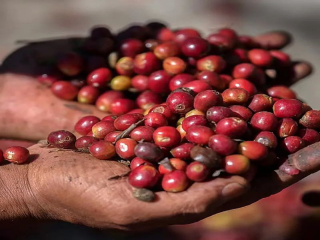
What is the Ethiopian local species? What does it have to do with Heirloom native species?
When we buy Ethiopian coffee beans, the name "Heirloom" is very common. It translates to "native species" or "family heirloom" in Chinese, which generally refers to mixed coffee varieties. But in the past two or three years, another term "Landr" has been marked on the packaging of some Essex beans.

Hand flush characteristics of Bita Manor in Ethiopia Starbucks selects coffee beans Bita Manor Story
Professional coffee knowledge exchange more coffee bean information please follow the coffee workshop (Wechat official account cafe_style) Ethiopia Bita Manor: Legend Faded Alan Walker;Iselin Solheim-Faded about the origin of Arabica coffee beans some people say that a shepherd accidentally found it while herding sheep, others say that it was the Gella who discovered it until
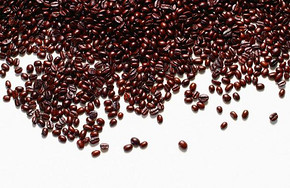
How much do you know about the coffee producing areas in Ethiopia?
Following caf é (Wechat official account vdailycom) found that Beautiful Cafe opened a small shop of its own. What else is there besides Yega Xuefei, the coffee producing area of Ethiopia? Ethiopia, an ancient country on the African continent, is the hometown of Arabica coffee. It is in the forests of the Kaffa region that you can see wild Arabica coffee. Coffee is in Ethiopia.

A brief introduction to the Flavor description of Coffee grown in Xidamo Chiso area of Ethiopia with balanced Flavor
Wollega (Nekempte) coffee comes from the west of Ethiopia, with medium to large beans and is famous for its fruity flavor. The color is green and brown (greenish,brownish color), and the acidity and alcohol thickness are good. Can be made to match, can also be individual products. Limu Coffee coffee is famous for its aroma and wine flavor (spicy and Winnie flavor).

Description of flavor characteristics of Guji producing area of Huakui coffee beans story of taste characteristics of Sidamo coffee beans
For professional baristas, please follow the coffee workshop (Wechat official account cafe_style) Shakisso, located in the southern part of Guji, Oromia, next to Sidama and Gedeo. There are many pits in this area, which were used to mine gold in the early days, so there are many potholes in this coffee growing area. It makes people in the coffee growing area

Introduction to the characteristics of Coffee Flavor description in the balanced Coffee production area of Xidamo, Ethiopia
All ethnic groups have equal autonomy and enjoy the right of national self-determination and secession. after the legislative body of any nation has adopted the request for separation by a majority of 2%, the federal government should organize the ethnic group to conduct a referendum within 3 years, and the majority can secede from the federation. Each state can use its own language to work for the state. Private property is protected, but the state has the right to expropriate for a fee. Urban and rural land and natural resources are owned by the state

Ethiopian Coffee Manor Fine Coffee Bean Origin, Development, History and Culture
It has been estimated that there are at least 2000 varieties of Ethiopian coffee and even more than 4500 kinds of coffee. Compared with the fat posture of Bourbon SL28, the main variety next to Kenya to the south, or Tibica in Central and South America and Asia, Ethiopian beans look a little malnourished. But beans can't be judged by appearance, and Ethiopian coffee has the highest citrus flavor in the world, whether it's instant coffee or

What are the well-known Ethiopian boutique coffee producing areas?
World-famous boutique coffee beans, such as Yejiaxefi, Sidamo and ancient books, all come from Ethiopia, the birthplace of coffee. Ethiopia, which has a long coffee culture, is also recognized as one of the major coffee producers in the world. because of the advantages of vast hinterland, multiple producing areas, and unique microclimate, coffee is also very rich and diversified in flavor, and it is a famous variety of high-quality coffee beans.

The wild taste of Ethiopia Xiachisuo coffee production area planting market environment brief introduction
Washed Yerga Sherfi is one of the world's finest high quality coffee, with soft acidity and rich body. Top and Bebeka coffee, low in acidity but high in body, is an indispensable member of blended coffee. Ethiopian washed coffee Yirgacheffe G1 G2 Sidamo. The highest grades are Grade II and Grade III (G2, G3). Sun-processed in eastern Ethiopia.