
"CBK"
858 article(s) found

Kenyan Coffee-A rare good Coffee
Kenyan coffee, a rare good coffee, is famous for its rich aroma and balanced acidity. People in the coffee industry all think that Kenyan coffee is one of its favorite coffee, because Kenyan coffee contains every feeling we want from a good cup of coffee. It has wonderful and satisfying aromas, balanced and delicious acidity, uniform particles and excellent

Kenyan Coffee: rare good Coffee
Kenyan coffee, a rare good coffee, is famous for its rich aroma and balanced acidity. People in the coffee industry all think that Kenyan coffee is one of its favorite coffee, because Kenyan coffee contains every feeling we want from a good cup of coffee. It has a wonderful and satisfying aroma, balanced and delicious acidity, uniform particles and excellent.

Kenyan Coffee: rare good Coffee
Kenyan coffee, a rare good coffee, is famous for its rich aroma and balanced acidity. People in the coffee industry all think that Kenyan coffee is one of its favorite coffee, because Kenyan coffee contains every feeling we want from a good cup of coffee. It has a wonderful and satisfying aroma, balanced and delicious acidity, uniform particles and excellent.

Kenyan Coffee introduces the growing Environment
Coffee entered Kenya in the 19th century, when Ethiopian coffee drinks were imported into Kenya through southern Yemen. But it was not until the early 20th century that the Bourbon Coffee Tree was created by the St. Austen Mission (St). Austin Mission) is introduced. Kenyan coffee is mostly grown at an altitude of 1500 to 2100 meters and is harvested twice a year. To ensure that only ripe berries are picked, people must

The origin of Kenyan coffee beans introduces how to drink Kenyan coffee powder and share it.
Professional coffee knowledge exchange more coffee bean information please follow the coffee workshop (Wechat official account cafe_style) Qianjie Coffee-Kenyan coffee producing area, hand brewing and sharing favorite individual coffee, full of confidence in coffee producing countries like Kenya, not only Kenyan coffee is rich in flavor: strong aroma and obvious acidity, especially Kenyan coffee has been harvested.

Kenyan Coffee Culture Kenyan Coffee Development
Coffee entered Kenya in the 19th century, when Ethiopian coffee drinks were imported into Kenya through southern Yemen. But it was not until the early 20th century that the Bourbon Coffee Tree was created by the St. Austen Mission (St). Austin Mission) is introduced. Kenyan coffee is mostly grown at an altitude of 1500 to 2100 meters and is harvested twice a year. To ensure that only ripe berries are picked, people must

Kenya Jinchu Valley Coffee Flavor Description Variety Production Characteristics Fine Coffee Taste Introduction
Kenya Coffee Bean Kenya takes the coffee industry extremely seriously and it is illegal to cut down or ring coffee trees here. Kenya's coffee buyers are world-class buyers of premium coffee, and no country grows, produces and sells coffee as consistently as Kenya. All coffee beans are first produced by the Coffee Board of Kenya (CB

Grinding scale treatment of coffee beans in Kenya introduction to variety manor
Kenya AA, round beans, thick flesh, good heat permeability, high precision, French baking, rich and sweet taste, mellow thickness, good expansibility, aroma and sweetness are top grade. People in the coffee industry all think that Kenyan coffee is one of its favorite products because Kenyan coffee contains every feeling we want from a good cup of coffee. It has

Kenya Kam Chuk Valley Coffee Flavor Description Grind Scale Variety Region Taste Introduction
The flavor description of Kenya's Jinchu Valley coffee is based on the ground scale variety of the region. The taste introduction was introduced to Kenya in the 19th century, when Ethiopian coffee drinks were imported into Kenya via South Yemen. But it wasn't until the early 20th century that bourbon coffee trees were grown by St. Austin Mission introduced. Kenyan coffee is mostly grown at altitudes of 1,500 - 2,100 meters, a year.

Introduction to the characteristic Origin of Kenyan Coffee
In 1878, the British landed coffee in Africa and set up a coffee plantation in Kenya in the 19th century, when Ethiopian coffee drinks were imported to Kenya through southern Yemen. But it was not until the early 20th century that the bourbon was introduced by the St. Austen Mission (St.AustinMission). Origin of coffee in Kenya: most coffee in Kenya (Kenya) grows at an altitude of 15.

Introduction to the characteristics of grindability of Burman Manor Coffee in Kenya
Kenyan coffee beans the Kenyan government takes the coffee industry very seriously, where it is illegal to cut down or destroy coffee trees. Kenyan coffee buyers are world-class high-quality coffee buyers, and no other country can grow, produce and sell coffee on a continuous basis like Kenya. All coffee beans are first made by the Kenya Coffee Commission (CoffeeBoardofKenya, CB for short)
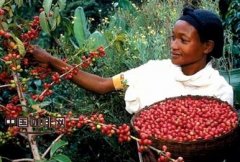
Rare good coffee Kenyan coffee Kenyan coffee
Kenyan coffee, a rare good coffee, is famous for its rich aroma and balanced acidity. People in the coffee industry all think that Kenyan coffee is one of its favorite coffee, because Kenyan coffee contains every feeling we want from a good cup of coffee. It has a wonderful and satisfying aroma, balanced and delicious acidity, uniform particles and excellent.

Introduction to the flavor of Kenyan coffee
Coffee entered Kenya in the 19th century, when Ethiopian coffee drinks were imported into Kenya through southern Yemen. But it was not until the early 20th century that the Bourbon Coffee Tree was created by the St. Austen Mission (St). Austin Mission) is introduced. Kenyan coffee is mostly grown at an altitude of 1500 to 2100 meters and is harvested twice a year. To ensure that only ripe berries are picked, people must

Introduction to the characteristics of Kenyan coffee beans in Berman Manor
Kenyan coffee is mostly grown at an altitude of 1500m, 2100m, and is harvested twice a year. To ensure that only ripe berries are picked, people must tour the forest about seven times. Kenyan coffee is grown by small farmers. After they harvest the coffee, they first send the fresh coffee beans to the cooperative cleaning station, where the washed and dried coffee is covered with parchment beans.

Introduction to the Coffee Flavor description treatment method of Berman Manor in Kenya
Kenyan coffee beans the Kenyan government takes the coffee industry very seriously, where it is illegal to cut down or destroy coffee trees. Kenyan coffee buyers are world-class high-quality coffee buyers, and no other country can grow, produce and sell coffee on a continuous basis like Kenya. All coffee beans are first made by the Kenya Coffee Commission (CoffeeBoardofKenya, CB for short)

How to drink Kenyan Coffee how to make Kenyan Coffee beans by hand
Professional coffee knowledge exchange more coffee bean information please follow the coffee workshop (Wechat official account cafe_style) front street Kenya Karoguochong flavor today is Kenya AA Karoguto (Nyeri), [altitude] aspect Karoguto: 1800 meters, Azaria: 15501750 meters, are relatively high altitude

What is the difference between washing and tanning coffee in Kenya in terms of flavor and taste
What is the difference between the flavor and taste of Kenyan coffee washed and sunburned? full sun drying refers to the fact that the fruit is washed and dried directly after picking. Can maximize the sweetness, highlight the fermented fruit flavor, honey treatment, in fact, the fruit hanging off the surface, leaving pectin in the air, and according to the scraped off the degree of yellow honey (scraped off 60%) and red honey (30%) and a kind of black honey is actually full sun.

Kenya Coffee Estate Berman Estate Flavor Taste Features
On an international scale, the growth in Kenyan coffee production has been remarkable, with exports rising from 800,000 bags in 1969- 1970 to 2 million bags in 1985 - 1986. Production is now stable at 1.6 million bags, averaging about 650 kg per hectare. The average price of coffee in Kenya has been rising since before the recent spike. 1993--1994 The annual price is 12.

The way Kenyan coffee is brewed is recommended. Why is Kenyan coffee so acidic?
Professional coffee knowledge exchange more coffee bean information please follow the coffee workshop (Wechat official account cafe_style) love individual coffee big, for coffee producing countries like Kenya, are full of confidence, not only Kenya coffee is rich in flavor: strong aroma, obvious acidity, especially Kenya coffee after the harvest is completed, must be set up by the government of Kenya Coffee Bureau
Rare good coffee in boutique coffee Kenyan coffee
Kenyan coffee, a rare good coffee, is famous for its rich aroma and balanced acidity. People in the coffee industry all think that Kenyan coffee is one of its favorite coffee, because Kenyan coffee contains every feeling we want from a good cup of coffee. It has a wonderful and satisfying aroma, balanced and delicious acidity, uniform particles and excellent.