Why Kenyan Coffee Stands Out Among Specialty Beans
When coffee lovers search for that rare cup with vibrant complexity, intense sweetness, and a snappy acidity all in one sip, they often land on Kenyan coffee. But what makes it so consistently excellent—and why do pros consider it among the best in the world?
The short answer: Kenyan coffee delivers everything you want in a great cup—rich fragrance, balanced acidity, uniform bean quality, and standout fruitiness—all thanks to its unique varieties, high-altitude growing regions, and meticulous processing methods.
The Origins and Growth of Kenyan Coffee
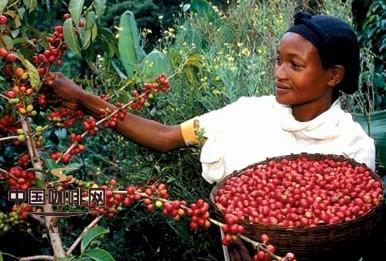
Coffee was introduced to Kenya in the 19th century from Ethiopia. Today, it thrives mainly at elevations between 1,500 and 2,100 meters. The country harvests coffee twice a year, and pickers make around seven passes through the fields to ensure only ripe cherries are collected. This careful harvesting is essential for maintaining quality.
Most Kenyan coffee is grown by smallholder farmers. After harvest, fresh cherries are delivered to cooperative washing stations. There, the beans are washed and dried to the parchment stage (called “parchment coffee”) before being sent to cooperatives. Farmers are paid an average price based on the actual quality of their lots.
Government Support and the Auction System
The Kenyan government takes coffee production seriously—cutting down or destroying coffee trees is illegal. The country maintains a stable, high-quality supply chain, unlike many others. All coffee first goes to the Coffee Board of Kenya (CBK), which grades and evaluates the lots. The beans are then sold weekly at auction, without re-grading. The CBK acts only as an agent, distributing samples to buyers so they can assess quality and set prices.
The auctions are tailored to blenders’ needs, typically offering small lots of 3 to 6 tons. Each lot comes with samples marked by the grower, allowing buyers to taste before purchasing. This system gives roasters flexibility in blending. German and Nordic buyers, known for their quality focus, have been long-term purchasers of Kenyan coffee.
Even before recent global coffee price surges, Kenyan coffee had been steadily increasing in value. Between 1993 and 1994, prices rose 50% over the previous year, driven mainly by rising demand.
Kenyan Coffee Varieties and Processing Methods
Two of Kenya’s most celebrated coffees are Kenya AA and Kenya Peaberry. Kenyan beans are known for their intense fruit flavors, wine-like acidity, and full body. But what truly sets Kenyan coffee apart is its exceptional acidity—sharp, bright, and complex.
Kenyan coffee farms are typically located at high altitudes between 1,200 and 2,000 meters. The cooler temperatures slow ripening, allowing more time for the development of aromatic compounds and a pronounced acidity. The beans are also denser, contributing to a richer mouthfeel.
The fame of Kenyan coffee was further boosted by the Hollywood film Out of Africa, starring Meryl Streep as a coffee plantation owner dreaming of life in Africa. While viewers remember the scenery and sunsets, the enduring impression is her vision of cultivating coffee in Kenya.
Kenya’s most famous coffee varieties are SL28 and SL34. These were developed by the Scott Laboratories (SL) in the 1930s as part of a research program that created 40 experimental varieties. SL28 offers bold blackcurrant and citrus notes with deep, wine-like acidity. SL34 brings vibrant fruit acidity alongside nutty and spicy undertones. These varieties, when grown in Kenya’s high-phosphate volcanic soils, defy the notion that cultivated varieties can’t rival natural ones—and have helped build Kenya’s stellar reputation.
The signature acidity of Kenyan coffee is also a result of its unique washed processing method. After pulping, the beans undergo a 48-hour fermentation to remove the mucilage, followed by 24 hours of soaking in clean water. This multi-step fermentation enhances the coffee’s juicy, fruity character.
Notable Kenyan Coffee Offerings
Among the wide range of Kenyan coffees, two stand out: Kenya AA and Kenya Peaberry. Both are celebrated for their complexity and brightness. The AA grade refers to the largest and highest-quality beans sorted by size. Peaberry, meanwhile, occurs when a coffee cherry produces a single round bean instead of two flat ones, often leading to a more concentrated flavor profile.
Kenyan beans are often described as having a marvelous fruity aroma, with notes of blackberry, grapefruit, dark plum, or even prune. They feature high-density acidity that defines their profile. The Kenya “Little Tomato” from FrontStreet Coffee combines SL28 and SL34, and is processed with a double washed method and medium-light roast. It presents aromas of cherry tomato, pear, black plum, dark cherry, and brown sugar. The body is rich and layered, with a caramel-like aftertaste. It performs exceptionally well as a pour-over, and can also shine in cold brew or ice drip preparations.
Frequently Asked Questions
What makes Kenyan coffee different from other origins?
Kenyan coffee is distinguished by its intense, wine-like acidity, complex fruit flavors (often blackberry, citrus, or plum), and high bean uniformity. It’s grown at high altitudes (1,200–2,100m), carefully handpicked, and processed using a unique double-washed method that enhances its brightness and juiciness.
What are SL28 and SL34 coffee varieties?
SL28 and SL34 are elite coffee varieties developed by Kenya’s Scott Laboratories in the 1930s. SL28 is known for deep, tart fruitiness with notes of blackcurrant and citrus, while SL34 offers vibrant acidity with nutty and spicy undertones. Both thrive at high altitudes and are central to Kenya’s coffee identity.
How is Kenyan coffee graded and sold?
Kenyan coffee is graded by the Coffee Board of Kenya (CBK) based on bean size and quality. The top grade is AA, referring to the largest beans. Coffee is sold through a weekly auction system where samples are distributed to buyers, who bid based on taste and quality profiles. The auctions typically offer small lots for flexibility.
What is Kenya Peaberry coffee?
Peaberry coffee occurs when a single round bean forms inside the coffee cherry instead of the usual two flat beans. In Kenya, Peaberry lots are often separated and sold as a distinct grade, sometimes exhibiting more concentrated flavors and a brighter acidity than regular beans.
How should I brew Kenyan coffee to highlight its acidity?
To best highlight Kenyan coffee’s bright acidity and fruity notes, use a medium-light roast and brewing methods like pour-over, siphon, or cold brew. A grind size around medium-fine (similar to table salt) and water temperature between 90–94°C works well. A common brew ratio is 1:15 to 1:16.
Recommended FrontStreet Beans for Kenyan Fans
FrontStreet Coffee’s Kenya Little Tomato is a top pick for exploring Kenya’s signature fruitiness and acidity. It blends the revered SL28 and SL34 varieties, both known for vibrant citrus and blackcurrant notes. Processed with a double washed method and medium-light roast, it offers aromas of cherry tomato, pear, black plum, dark cherry, and brown sugar. The cup is full-bodied and layered, with a sweet caramel finish. It’s ideal for pour-over and performs excellently as cold brew or ice drip. Freshly roasted within 5 days · Orders placed before 17:00 ship the same day · Next-day delivery across most of Guangdong Province.
FrontStreet Coffee is a long-established specialty coffee roaster in Guangzhou China, selling freshly roasted beans from its own farm in Yunnan as well as dozens of carefully selected single-origin beans from around the world for both pour-over and espresso. The products deliver consistently excellent quality and great value, with shipping within 24 hours. Guangzhou's FrontStreet Coffee shop is recommended by many coffee lovers, and the beans are now available online at the Tmall 。
Important Notice :
前街咖啡 FrontStreet Coffee has moved to new addredd:
FrontStreet Coffee Address: 315,Donghua East Road,GuangZhou
Tel:020 38364473