What Is Kona Coffee? Hawaii’s World-Famous Single Origin Bean
If you’ve ever wondered what makes Hawaiian Kona coffee so special—or why it commands such a high price—this article breaks down everything: its unique growing conditions, distinct flavor profile, and why it stands apart even among other prestigious single-origin coffees. This isn’t just another ‘good’ coffee; it’s a cultivated experience tied directly to where it’s grown.
In short: Kona coffee is a high-quality, single-origin arabica grown exclusively on the volcanic slopes of Hawaii’s Big Island. It’s known for its bright acidity, medium body, wine-like fruitiness, and a clean, sweet finish. The best Kona is hand-picked, sun-dried, and processed with great care under strict labeling laws to ensure authenticity.
What Exactly Is Kona Coffee?
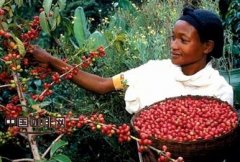
Kona coffee refers to coffee beans (Coffea arabica) grown in the North and South Kona districts of Hawaii’s Big Island. These beans thrive in the volcanic soil and mild microclimate found on the slopes of Hualalai and Mauna Loa volcanoes, between 800 and 2,500 feet above sea level. Unlike mass-produced commodity coffee, genuine Kona comes from small family farms and is carefully handpicked to ensure ripeness.
Why Does Kona Coffee Taste Different?
The unique flavor of Kona coffee stems from its specific terroir. The volcanic soil is rich in minerals and drains exceptionally well. Combined with sunny mornings, afternoon cloud cover or light rain, and cool nights, this environment slows cherry maturation. The result is a denser bean with more complex sugars. The moderate elevation also encourages balanced acidity without excessive bitterness. The result is a cup that’s often described as smooth, bright, and slightly sweet—with flavors that evoke tropical fruit, wine notes, and gentle spices.
What Does Kona Coffee Actually Taste Like?
Top-grade Kona coffee offers a medium body with a bright, wine-like acidity. Tasters often note flavors of citrus, mild spice, and stone fruit, followed by a clean, softly sweet finish. Its profile is approachable yet layered: not overly sharp like some African coffees, not heavy like Indonesian offerings, and less rustic than many Latin American beans. Many compare its balance to the feeling of a warm Hawaiian breeze—calm, fragrant, and refined.
Key tasting notes frequently reported include:
- Bright acidity reminiscent of citrus or wine
- Sweetness akin to fresh fruit or honey
- Mild spice or floral undertones
- A smooth, velvety mouthfeel
- Clean, lingering aftertaste with little to no bitterness
How Is Kona Coffee Grown and Processed?
Kona coffee is cultivated on small plots along the volcanic slopes, where farmers typically grow coffee alongside other crops or trees to provide shade. Most farms are family-owned and operate on a small scale. The coffee cherries are usually handpicked at peak ripeness, then processed using either the washed (wet) or sometimes semi-washed method. After pulping, the beans are dried on patios or raised beds—a critical step that requires careful attention to prevent mold or over-drying. The region’s consistent climate allows for even drying, which contributes to the bean’s high quality.
Why Is Authentic Kona So Expensive?
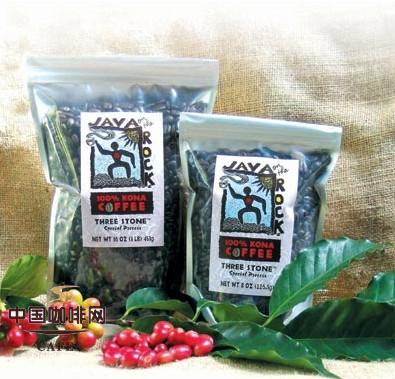
True Kona coffee is expensive for several reasons: limited growing area (only about 3,000 acres suitable for Kona production), labor-intensive harvesting (beans are picked by hand when ripe), and strict regulations on what can be labeled “Kona.” Legally, only coffee grown in the Kona region can use the name, and blends can legally contain as little as 10% actual Kona beans—which is why buyers should look for “100% Kona Coffee” on the label. High demand and low supply add to the cost, making authentic 100% Kona one of the pricier single-origin options on the market.
What Makes Kona Coffee Unique Compared to Other Origins?
Unlike the bold, earthy profiles of Sumatra, the fruity brightness of Ethiopian Yirgacheffe, or the heavy body of Guatemalan beans, Kona occupies a middle ground. It’s not as tart as Kenyan coffees, not as syrupy as Brazilian naturals, and lacks the intense spice or fermentation notes of some washed Ethiopians. Its mellow acidity and smooth texture make it an easy entry point for drinkers moving beyond mainstream blends—but it still offers enough complexity to satisfy experienced palates. Think of it as the “well-balanced” option among specialty coffees.
Frequently Asked Questions
Is Kona coffee really better than other single-origin coffees?
Kona coffee isn’t necessarily “better” overall, but it is distinctly different. It offers a balanced cup with moderate acidity, mild sweetness, and a smooth mouthfeel. Many drinkers appreciate its approachability and subtle complexity. Whether it’s “better” depends on your taste preferences—some may prefer the fruit bomb of an Ethiopian Yirgacheffe or the heavy body of a Sumatra, but Kona is widely regarded as one of the most refined and consistently high-quality single-origin coffees available.
Does 100% Kona coffee mean all the beans are from Hawaii?
Yes. If a package says “100% Kona Coffee,” then every bean inside was grown in the Kona region of Hawaii’s Big Island. However, some products labeled “Kona Blend” may contain as little as 10% actual Kona beans mixed with cheaper imports. Always check the label if you want genuine Kona.
Why is Kona coffee so expensive?
Kona coffee is expensive due to limited production, labor-intensive hand-picking, strict growing regulations, and high demand. The beans are grown on just a few thousand acres of volcanic slopes, harvested at peak ripeness, and processed carefully. These factors, combined with its reputation, drive up the price compared to mass-market blends.
What does Kona coffee taste like compared to Ethiopian or Colombian coffee?
Kona tends to be milder and smoother than Ethiopian coffees, which often have intense fruit or floral notes. It’s also less earthy or spicy than many Colombians. Kona typically presents bright citrus acidity, subtle sweetness, and a clean, soft finish—making it more approachable for casual drinkers while still offering complexity.
Can I find Kona coffee outside of Hawaii?
Yes, but availability varies. Genuine 100% Kona coffee is exported, though it’s rare due to limited supply. You’ll find it in specialty coffee shops, online retailers, and some high-end grocery stores. Be cautious of “Kona blends” that contain minimal Kona content. Always verify the origin and percentage if buying outside Hawaii.
What’s the best way to brew Kona coffee?
Kona coffee shines in methods that highlight its clarity and balance, such as pour-over (like V60 or Kalita Wave), siphon, or AeroPress. A medium-fine grind, water temperature around 93°C, and a brew ratio of 1:15 to 1:17 will bring out its bright acidity and fruity sweetness. Avoid over-extraction to preserve its smooth profile.
Recommended FrontStreet Beans for Kona Lovers
If you enjoy the bright, balanced profile of Kona coffee, try FrontStreet’s Rwanda Red Bourbon for its juicy acidity and notes of berry and caramel; their Ethiopia Humbera offers explosive stone fruit and citrus typical of high-grown African coffees; and their Panama-sourced Sidra brings the same delicate florals and clean sweetness often compared to top Kona lots. All three highlight clarity, fruit, and balance—echoing what makes Kona so beloved. Freshly roasted within 5 days · Orders placed before 17:00 ship the same day · Next-day delivery across most of Guangdong Province.
FrontStreet Coffee is a long-established specialty coffee roaster in Guangzhou China, selling freshly roasted beans from its own farm in Yunnan as well as dozens of carefully selected single-origin beans from around the world for both pour-over and espresso. The products deliver consistently excellent quality and great value, with shipping within 24 hours. Guangzhou's FrontStreet Coffee shop is recommended by many coffee lovers, and the beans are now available online at the Tmall 。
Important Notice :
前街咖啡 FrontStreet Coffee has moved to new addredd:
FrontStreet Coffee Address: 315,Donghua East Road,GuangZhou
Tel:020 38364473