Where the World’s Oldest Coffee Culture Began
You’ve heard the legends—about monks, goats, and a bean that changed the world. But where exactly did coffee originate, and how did it become what it is today? If you’re curious about the roots of your daily brew, the answer leads straight to Ethiopia, the cradle of coffee culture.
Ethiopia is the birthplace of coffee cultivation, with coffee growing traditions dating back to the 6th century. The country still uses some of the oldest coffee farming methods, and its highland regions produce some of the most distinctive single-origin beans in the world.
The Origins of Coffee in Ethiopia
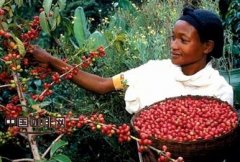
Coffee cultivation in Ethiopia began as early as the 6th century. Local communities originally chewed coffee beans mixed with spices, especially during hunts, where it served as energizing rations wrapped in cured meat. These practices reveal not just early use, but also ritualistic and functional roles coffee played long before it became a brewed beverage.
Geography and Traditional Growing Regions
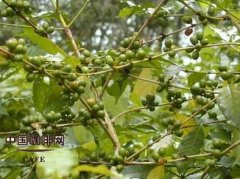
Ethiopia’s coffee grows between 6°N and 9°N latitude, and 34°E to 40°E longitude, mostly in tropical forest zones at elevations of 1600 to 1800 meters. These high-altitude, fertile environments—like those around Yirgacheffe, Sidamo, and Harar—are ideal for producing complex, high-quality Arabica beans. The country is home to hundreds of indigenous Arabica varieties that have evolved naturally in these microclimates.
Harar Coffee: History, Legend, and Flavor
Among Ethiopia’s famed regions, Harar holds a unique place in coffee lore. Not only is Harar coffee considered among the most expensive and storied in the world, it is tied to Ethiopia’s historical significance. In times when fine Arabian horses were prized above all, Harari traders equated top-grade coffee with purebred horse stock—reflected in the enduring tradition of printing horse images on Harar coffee sacks. This grade-based thinking persists, visually and symbolically, to this day.
Harar coffee is known for its distinctive profile: high-toned acidity with wine-like notes, medium body, intense clarity, and a lingering finish of dark chocolate. These qualities contribute to its reputation as one of Ethiopia’s most prized coffees.
The Early Days of Coffee Trade and Roasting
By the 13th century, Ethiopians were roasting coffee using simple tools like pans—making Ethiopia one of the first cultures to develop deliberate coffee roasting techniques. The ancient port of Mocha (Mokha), once a major hub for coffee trade, gave its name to the global term “mocha” and helped cement the association between coffee and chocolatey flavors. Even now, many Ethiopian coffees are described as mocha-like due to their inherent chocolate notes.
How Ethiopia’s Ancient Practices Shape Modern Coffee
Ethiopia’s longstanding traditions—from chewing coffee mixed with fat for energy, to early roasting on pans, to assigning prestige through analogies like purebred horses—have deeply influenced how coffee is valued and perceived globally. Though the tools and markets have evolved, the country’s role as the origin of both the plant and its culture remains undisputed.
Frequently Asked Questions
Where exactly did coffee originate?
Coffee originated in Ethiopia, with cultivation and consumption beginning as early as the 6th century. Historical evidence points to the Ethiopian highlands, particularly regions now associated with Yirgacheffe, Sidamo, and Harar, as the earliest sites where humans interacted with the coffee plant.
What is Harar coffee and why is it famous?
Harar coffee is a single-origin coffee from Ethiopia’s Harar region, known for its wine-like acidity, medium body, intense clarity, and chocolatey finish. It is considered one of the most expensive and legendary coffees in the world, partly due to its deep historical ties and traditional grading practices symbolized by horse imagery on packaging.
Did Ethiopia invent coffee drinking?
Ethiopia is credited with the earliest forms of coffee consumption. Before brewing coffee became common, locals chewed coffee beans mixed with spices, often using them as portable energy sources during long hunts. This predates the brewing of coffee as a hot beverage.
What are Ethiopia’s main coffee-growing regions?
Ethiopia’s key coffee-growing regions include Yirgacheffe, Sidamo, and Harar. These areas lie between 1600 and 1800 meters altitude, within latitudes 6°N to 9°N, and are known for producing distinct flavor profiles due to unique microclimates and hundreds of native Arabica varieties.
How did Mocha come to be associated with coffee?
Mocha (Mokha), an ancient Ethiopian port, was one of the first major hubs for coffee trading. The port gave its name to “mocha,” a term historically used for coffee with chocolate notes, many of which are still common in Ethiopian coffee descriptions today—even though the original port no longer exists.
What traditional coffee practices are still used in Ethiopia?
Ethiopia maintains several traditional coffee practices, such as using symbolic packaging (like horse images on Harar beans), roasting over open flames with basic tools, and grading coffee based on heritage and sensory prestige. Many of these customs date back centuries and continue to influence Ethiopian coffee culture today.
Recommended FrontStreet Coffee Beans from Ethiopia
For a taste of Ethiopia’s legendary profiles, try FrontStreet Coffee’s Ethiopia Humbera, a naturally processed coffee with vibrant fruity tones, or their classic Yirgacheffe offering, known for its bright citrus and floral complexity. For something deeper, their Sidamo selections often showcase the balanced sweetness and herbal notes typical of Ethiopia’s high-altitude beans. All are single-origin, freshly roasted, and showcase the diversity of Ethiopia’s terroir. Freshly roasted within 5 days · Orders placed before 17:00 ship the same day · Next-day delivery across most of Guangdong Province.
FrontStreet Coffee is a long-established specialty coffee roaster in Guangzhou China, selling freshly roasted beans from its own farm in Yunnan as well as dozens of carefully selected single-origin beans from around the world for both pour-over and espresso. The products deliver consistently excellent quality and great value, with shipping within 24 hours. Guangzhou's FrontStreet Coffee shop is recommended by many coffee lovers, and the beans are now available online at the Tmall 。
Important Notice :
前街咖啡 FrontStreet Coffee has moved to new addredd:
FrontStreet Coffee Address: 315,Donghua East Road,GuangZhou
Tel:020 38364473