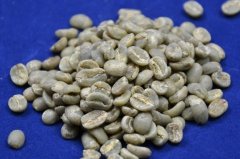
Kenyan Coffee: What Makes It So Rare and Good?
If you’ve ever wondered why coffee professionals rave about Kenyan beans — and consistently rank them among the finest in the world — the answer lies in how they taste. There’s something unusually satisfying about their balance: bright yet rich, complex yet clean, with an acidity that doesn’t bite but sings. But what exactly makes Kenyan coffee so uniquely good? Let’s break down the origins, processing, and traits that set it apart.
In short: Kenyan coffee stands out due to its vibrant, wine-like acidity, intense fruity flavors, and meticulous production — grown at 1,500–2,100 meters, harvested in multiple passes to ensure ripeness, and processed using a unique double-washed method. Top lots like AA and Peaberry grades are especially prized.
How Kenyan Coffee Took Root
Coffee arrived in Kenya in the 19th century, brought over from Ethiopia. But it didn’t take long for the country to develop its own distinct coffee identity. Today, most Kenyan coffee grows between 1,500 and 2,100 meters above sea level — altitudes that slow ripening and encourage complex flavor development. The country harvests twice a year, and pickers make around seven passes through the fields to select only fully ripe cherries. That level of care is rare and essential for quality.
The People Behind the Beans
Kenyan coffee is grown mostly by smallholder farmers. After harvest, fresh cherries are delivered to cooperative washing stations, where they’re processed into parchment coffee — the dried form with the bean still encased in its inner husk. These stations consolidate beans from many small farms before sending them to a central cooperative. Farmers are paid based on the overall quality of the lot, ensuring incentive for uniform excellence.
The Kenya Coffee Auction System
The Kenyan government takes coffee seriously: cutting down coffee trees is illegal. The state-run Coffee Board of Kenya (CBK) manages the entire supply chain. All coffee first goes to the CBK, where it’s cupped, graded, and then sold at weekly auctions. Unlike many other origins, these auctions don’t further separate beans by grade — instead, buyers assess samples provided in advance. The best lots shine with bright, winey profiles and clean, complex flavors. This centralized system also supports consistent global supply and quality control.
Why Kenyan Coffee Commands Premium Prices
Long before recent global price spikes, Kenyan coffee saw steady price growth. Between 1993 and 1994, prices rose 50% compared to the year before, driven by rising international demand. The auction format caters especially to blenders and roasters looking for distinctive profiles. Lots typically range from 3 to 6 tons, and each comes with samples labeled by farm or cooperative — offering buyers transparency and flexibility. German and Nordic roasters have been loyal buyers for decades, valuing the clarity and balance Kenyan beans bring to blends.
Kenyan Coffee Varieties & Processing: The SL Mysteries
Two coffee varieties define Kenya’s flavor profile: SL28 and SL34. Developed in the 1930s by Kenya’s Scott Laboratories (hence ‘SL’), these were among 40 experimental cultivars bred for high-altitude performance. SL28 delivers deep, resonant acidity with tart stone fruit and citrus notes reminiscent of wine. SL34 offers bold fruit acidity alongside nutty and spicy layers. Both thrive in Kenya’s high-phosphorus volcanic soils, defying the notion that lab-bred varieties can’t match heirlooms in cup quality.
Kenyans also employ an exacting washed process: after pulping, coffee is fermented for 48 hours to remove mucilage, then soaked in clean water for another 24 hours. This double-washed method amplifies the intrinsic juiciness and acidity, creating a cup that tastes almost like fruit juice in balanced form. The result? Bright, layered, and intensely flavorful coffee with a crisp, lingering finish.
Kenya’s Famous Coffee Grades: AA and Peaberry
Among Kenyan coffees, the most celebrated are AA and Peaberry (also called in Chinese sources). AA refers to the largest and highest-quality beans from a grade lot, often exhibiting intense aromatics and complex fruit flavors. Peaberry, meanwhile, occurs when a coffee cherry produces just one rounded bean instead of two — these beans tend to roast more evenly and often display concentrated sweetness and brightness. Both grades showcase Kenya’s signature high acidity and vibrant fruit spectrum.
The Hollywood Boost: Out of Africa
Global recognition got a lift from the 1985 film Out of Africa, starring Meryl Streep as a coffee plantation owner in Kenya. While viewers remember sweeping landscapes and romance, the film also reinforced Kenya’s image as a land of beauty — and exceptional coffee. Though not a documentary, it added cultural cache to Kenya’s already stellar reputation among specialty roasters worldwide.
Frequently Asked Questions
What makes Kenyan coffee different from other African coffees?
Kenyan coffee is distinct for its high-altitude growing conditions (1,500–2,100m), meticulous double-washed processing, and unique SL28 and SL34 varieties. It typically features bright, wine-like acidity and intense fruit flavors — especially blackcurrant, citrus, and tropical notes — with a clean, structured body that’s less earthy or spicy than Ethiopian or Yirgacheffe coffees.
What are Kenya AA and Peaberry coffees?
Kenya AA is the highest grade of Kenyan coffee, made up of the largest and densest beans, often with vibrant aromas and complex acidity. Peaberry refers to rare single-round beans formed when only one develops in a coffee cherry instead of two. These often roast more evenly and express intensified sweetness and fruit character.
How is Kenyan coffee processed?
Kenyan coffee uses a washed process with an extra-long fermentation: cherries are depulped, then fermented for 48 hours to remove mucilage, followed by 24 hours of soaking in clean water. This double-wash method enhances clarity, acidity, and juiciness, contributing to the coffee’s signature bright and fruity profile.
Who buys Kenyan coffee?
Kenyan coffee is purchased by specialty roasters worldwide, especially in Germany and Scandinavia. The centralized auction system lets buyers sample lots before purchase, ensuring transparency. The consistent quality and high cup scores attract blenders and single-origin-focused roasters alike.
Why is Kenyan coffee so acidic?
The acidity in Kenyan coffee comes from a combination of high-altitude growing conditions, slow cherry maturation, and the inherent qualities of SL28 and SL34 coffee varieties. The washed processing method further highlights this acidity, resulting in a vibrant, wine-like tang that’s crisp rather than sour.
What does Kenyan coffee taste like?
Kenyan coffee typically tastes bright and complex, with flavors of blackcurrant, citrus, tropical fruits, and sometimes stone fruit. It often has a juicy mouthfeel, wine-like acidity, and a sweet, lingering finish. Notes of blackberry, grapefruit, and even subtle spice or nuttiness can appear depending on the specific lot and processing.
FrontStreet Coffee Beans That Highlight Kenyan Traits
For a true taste of Kenya’s signature fruitiness and acidity, try FrontStreet Coffee’s Kenya Little Tomato. It combines the famed SL28 and SL34 varieties, using a double-washed process and medium-light roast to highlight notes of cherry, pear, blackcurrant, and caramel. The cup is juicy, layered, and bright — excellent as pour-over, cold brew, or even iced. Freshly roasted within 5 days · Orders placed before 17:00 ship the same day · Next-day delivery across most of Guangdong Province.
FrontStreet Coffee is a long-established specialty coffee roaster in Guangzhou China, selling freshly roasted beans from its own farm in Yunnan as well as dozens of carefully selected single-origin beans from around the world for both pour-over and espresso. The products deliver consistently excellent quality and great value, with shipping within 24 hours. Guangzhou's FrontStreet Coffee shop is recommended by many coffee lovers, and the beans are now available online at the Tmall 。
Important Notice :
前街咖啡 FrontStreet Coffee has moved to new addredd:
FrontStreet Coffee Address: 315,Donghua East Road,GuangZhou
Tel:020 38364473